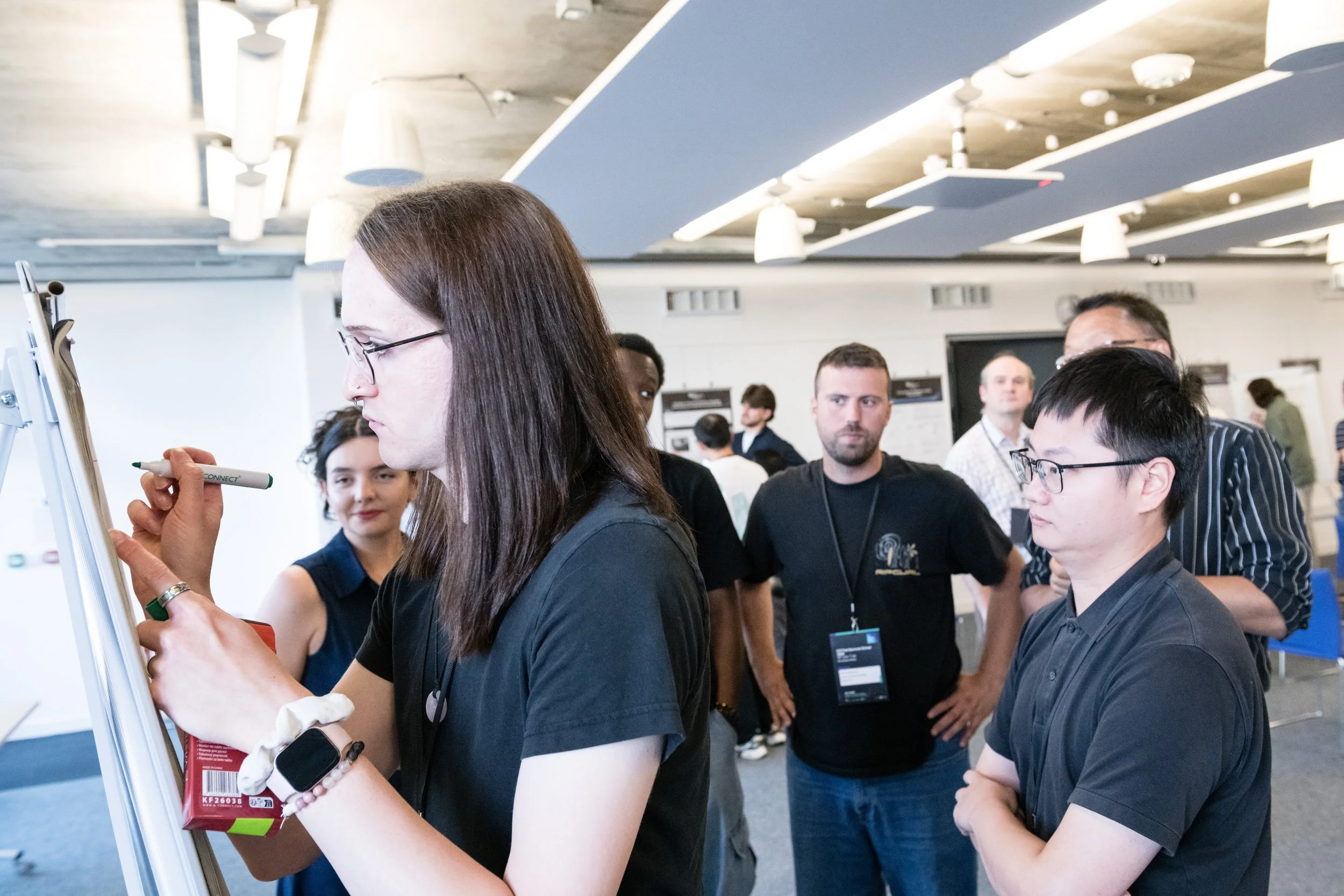
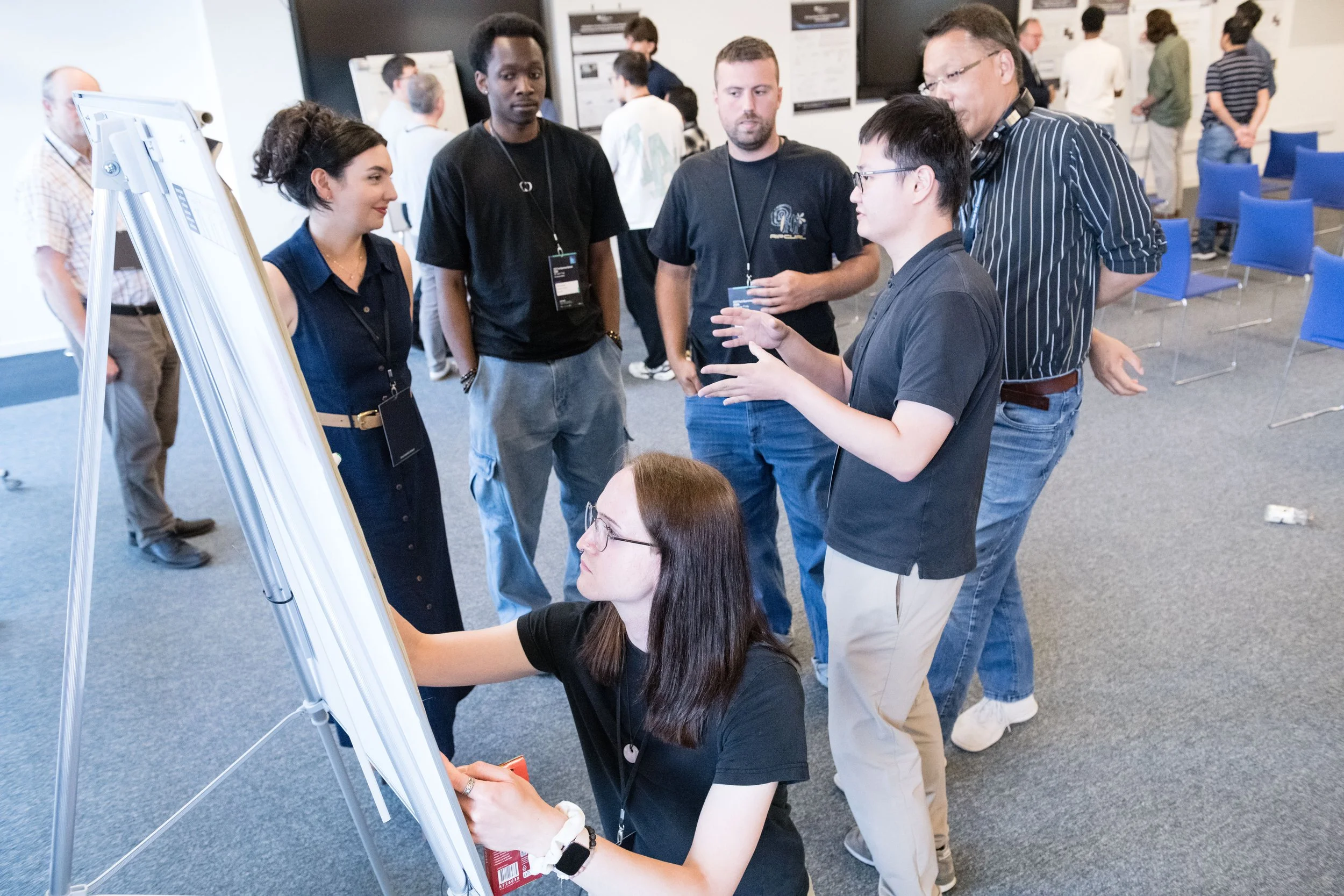
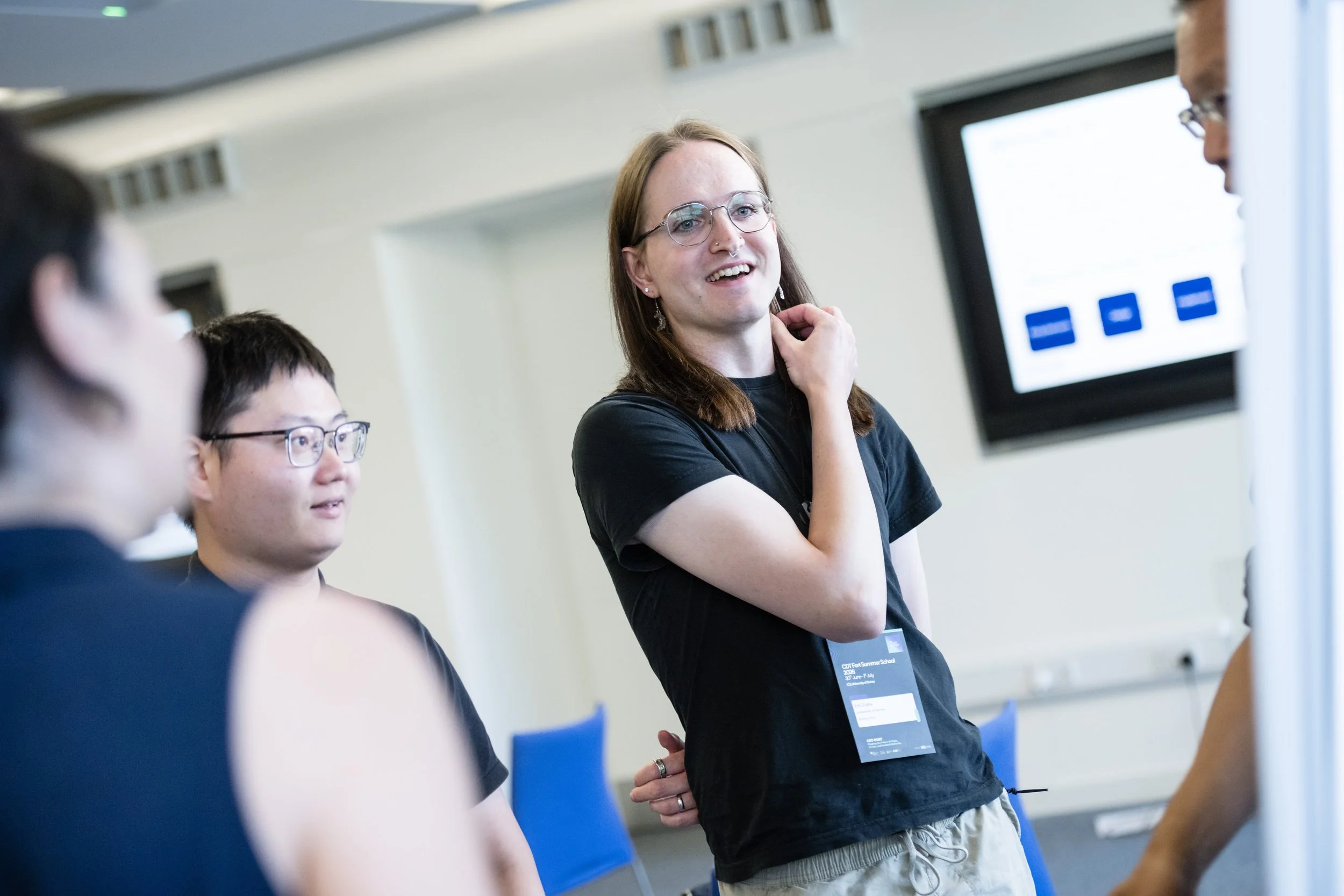
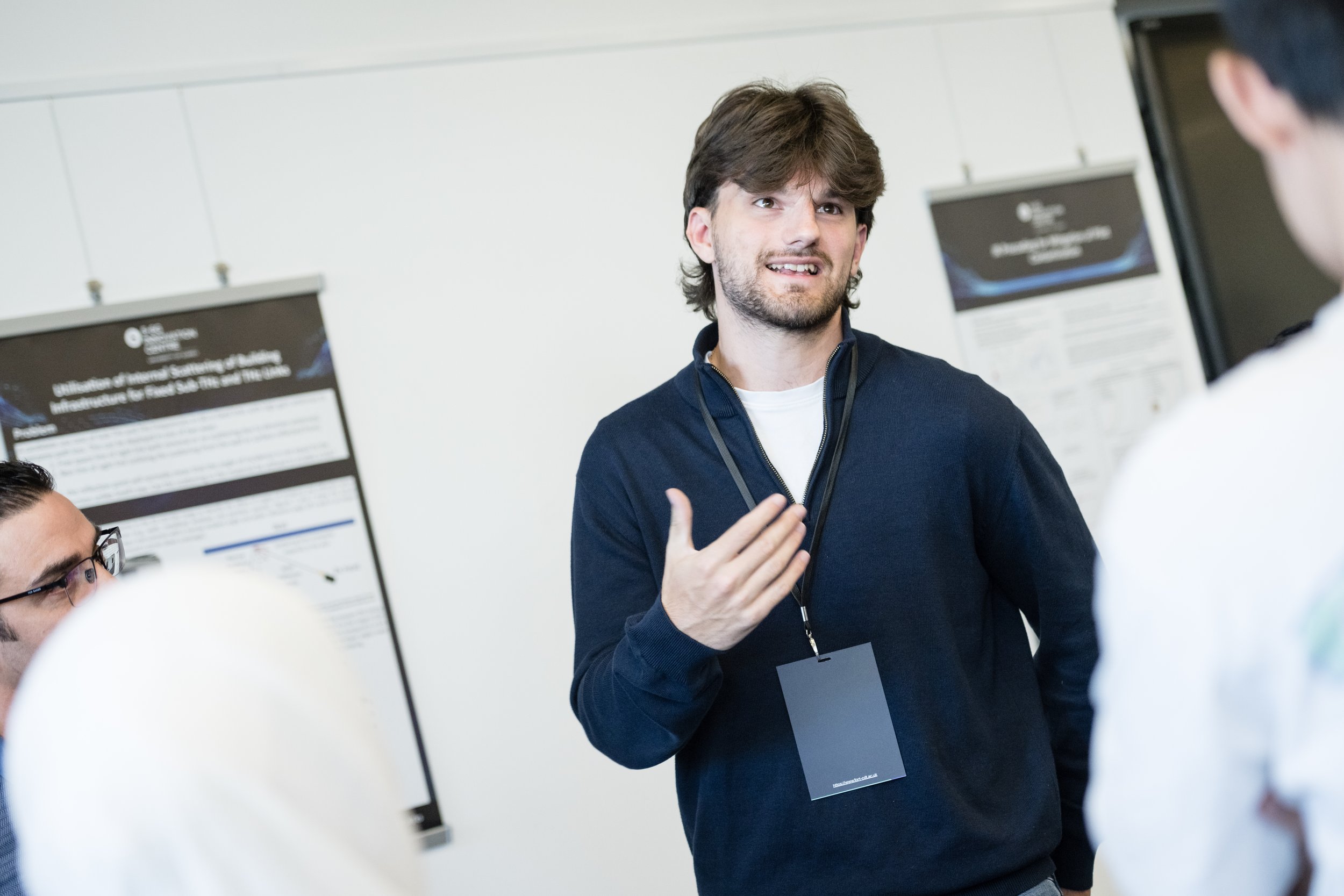
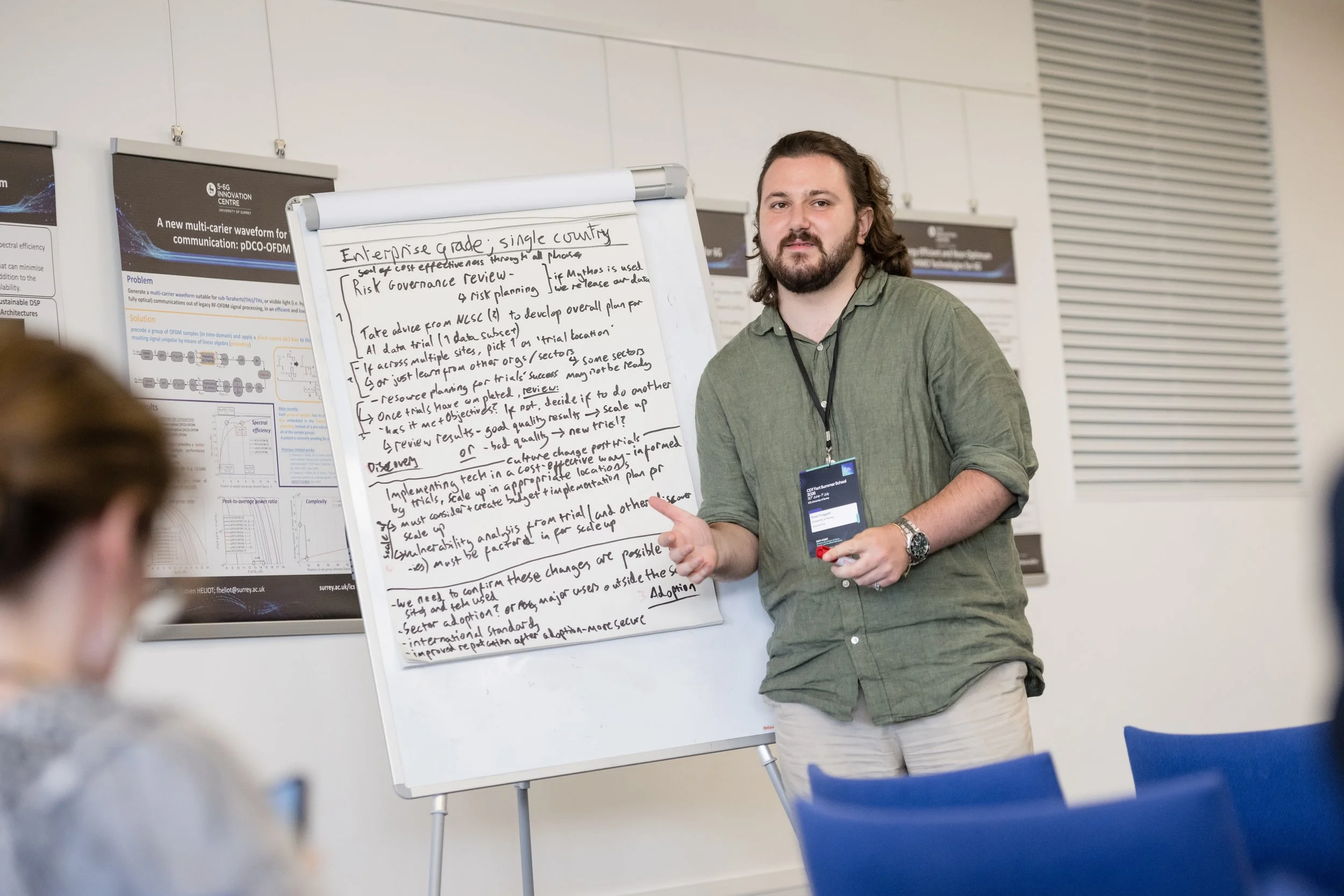
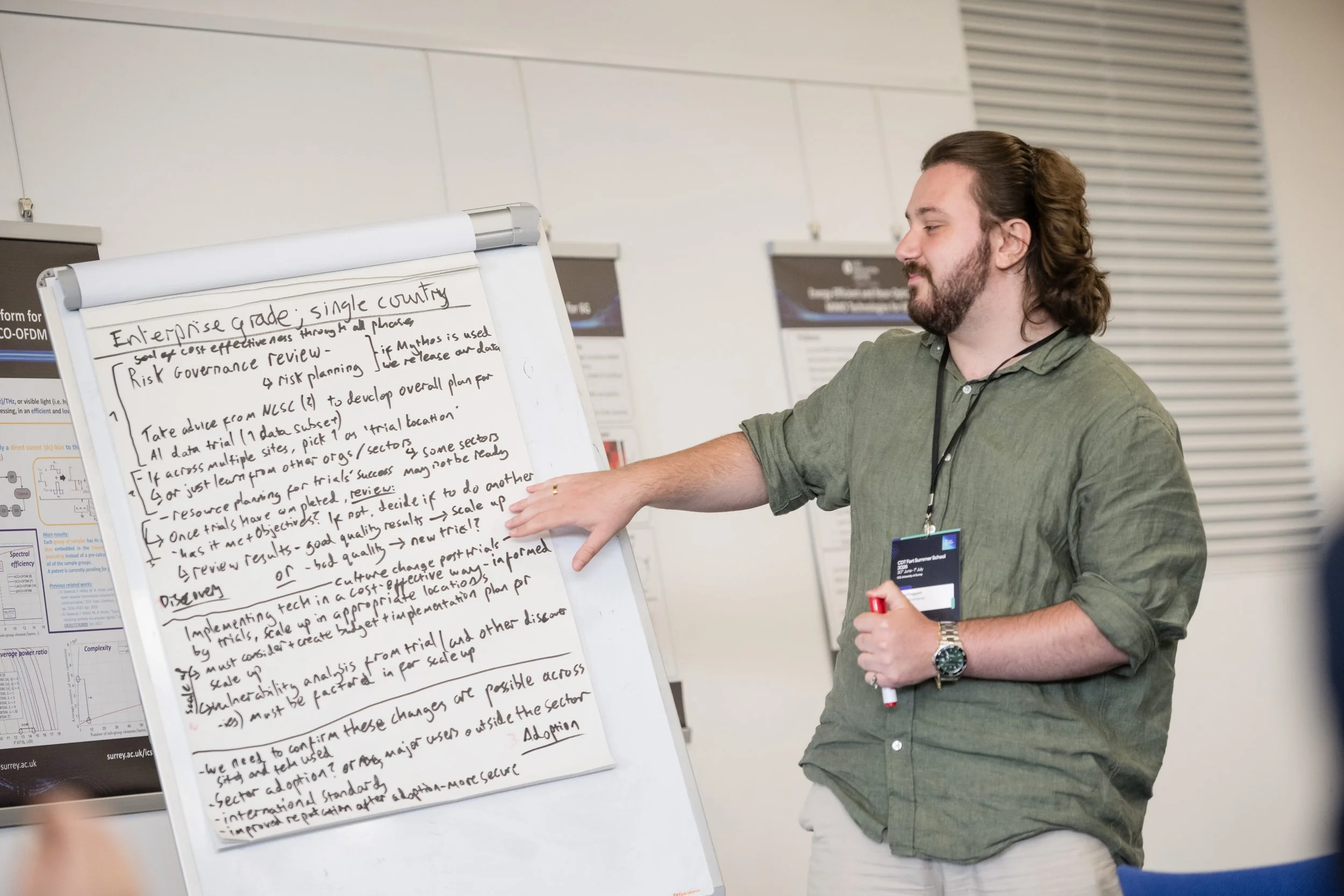
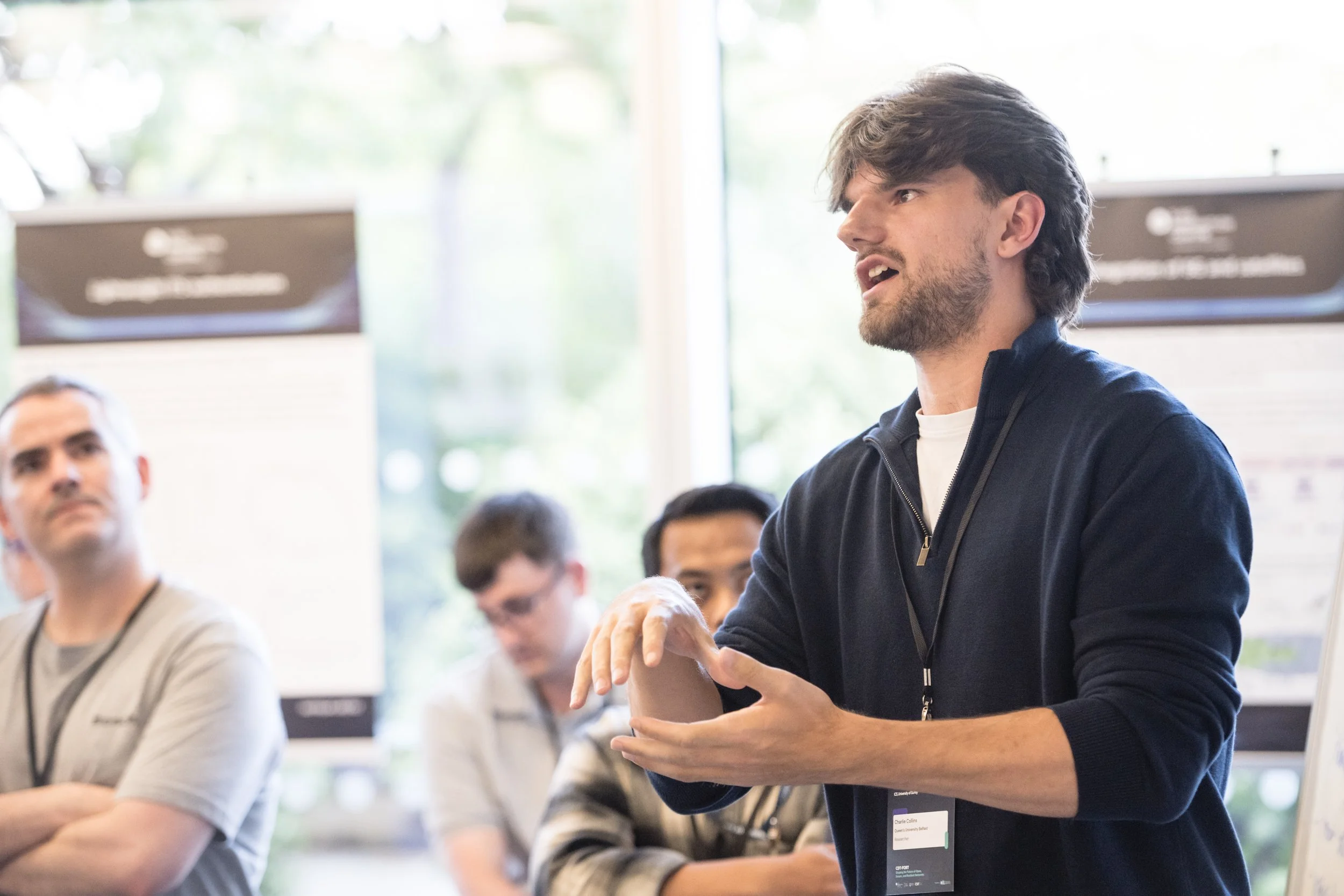
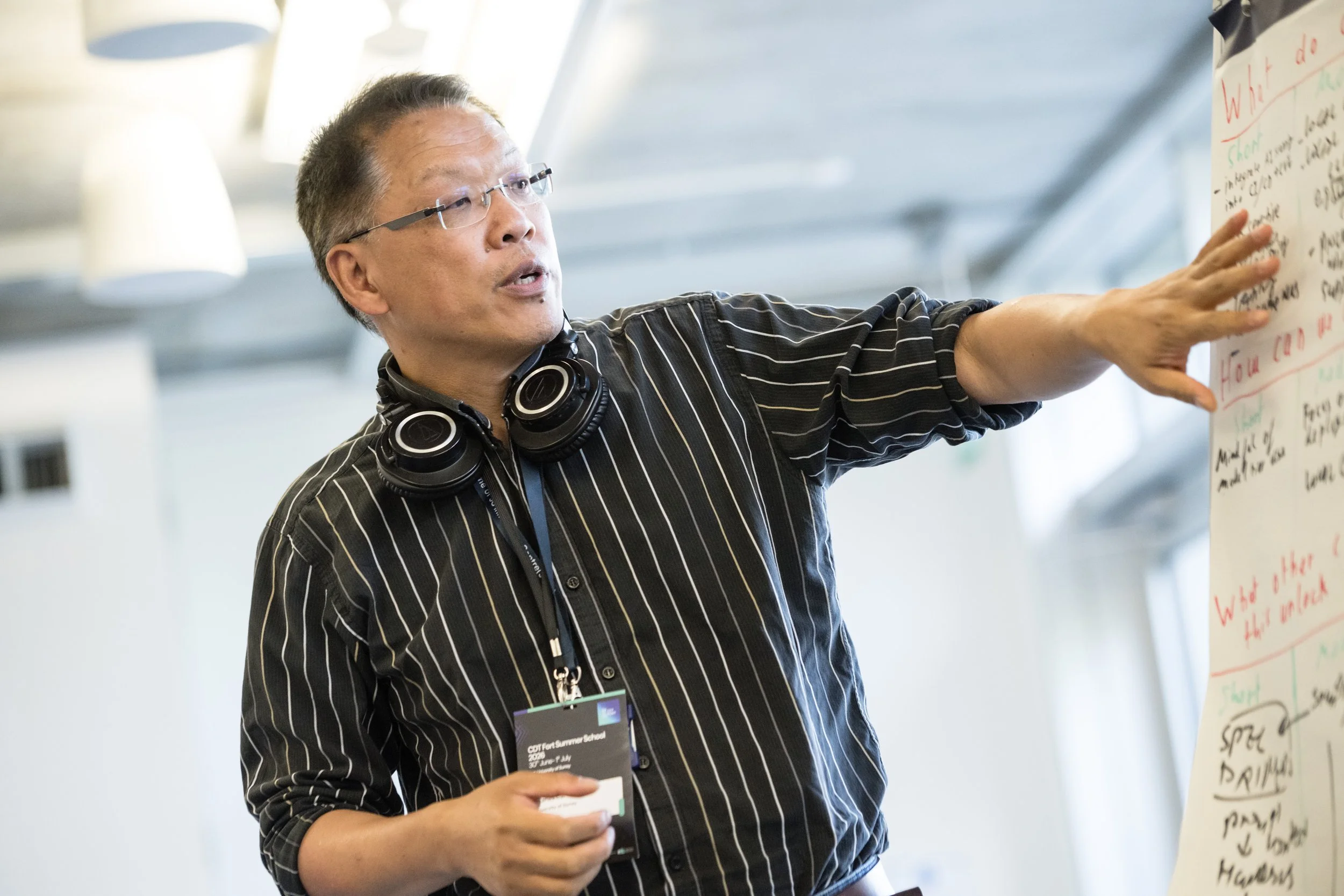
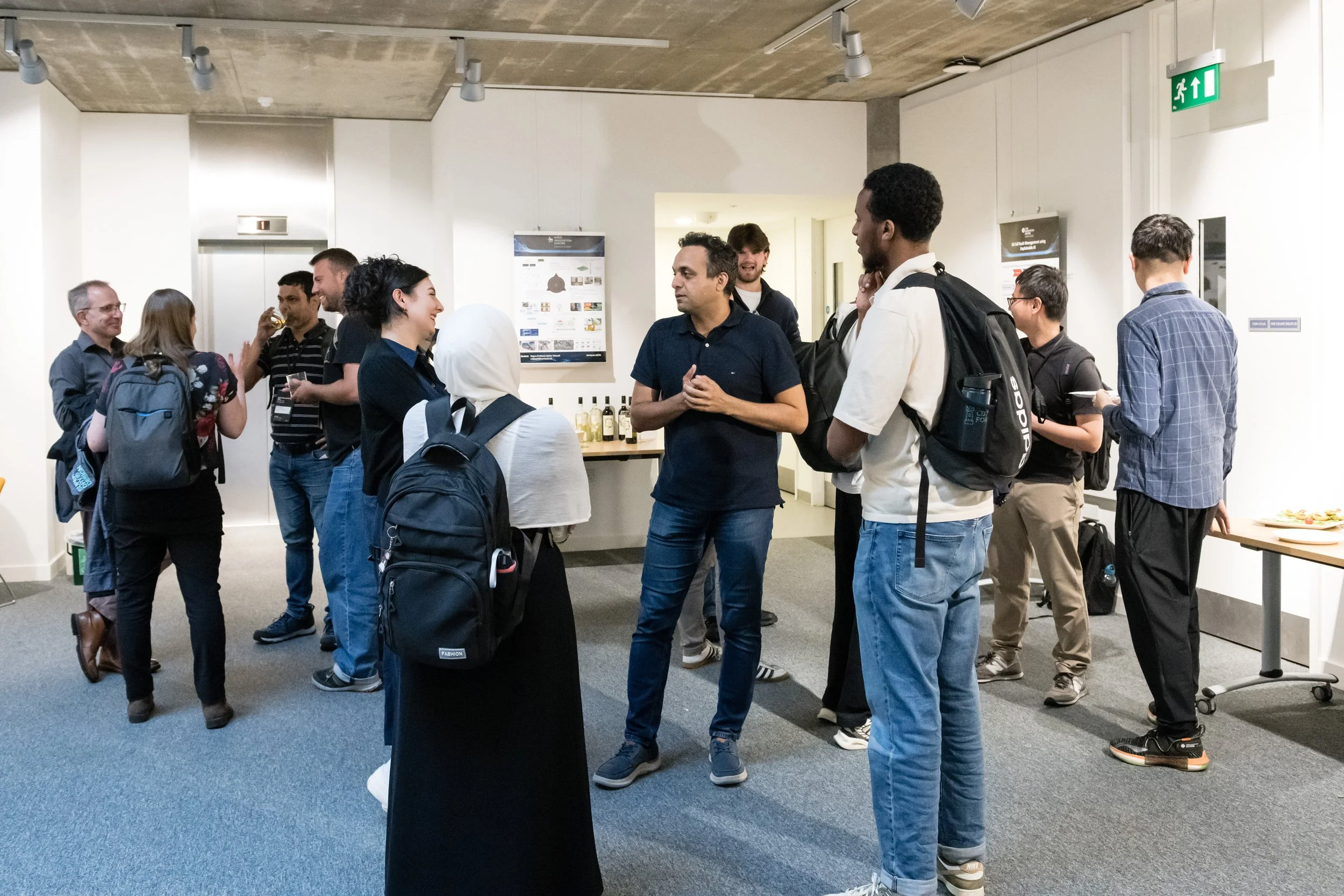
CDT-FORT is proud to announce that the second cohort of students has successfully completed their group research projects.
Cohort 2 of the CDT-FORT programme has successfully completed its group project phase, marking an important milestone as the researchers prepare to progress into the next stage of their doctoral studies. Over the summer, researchers from the University of Surrey and Queen's University Belfast collaborated on research challenges spanning network security, non-terrestrial networks (NTNs), satellite communications, artificial intelligence, and federated learning.
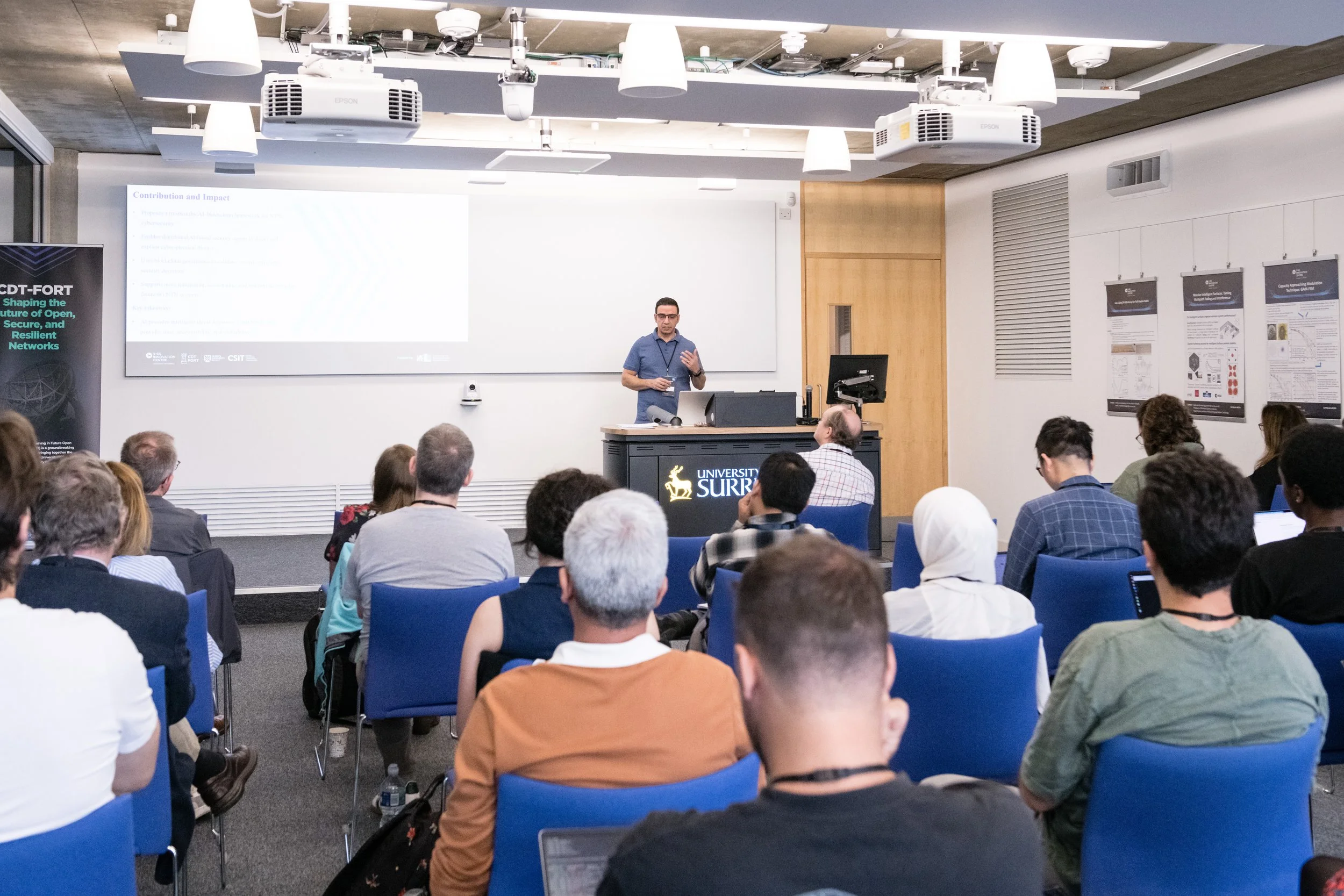
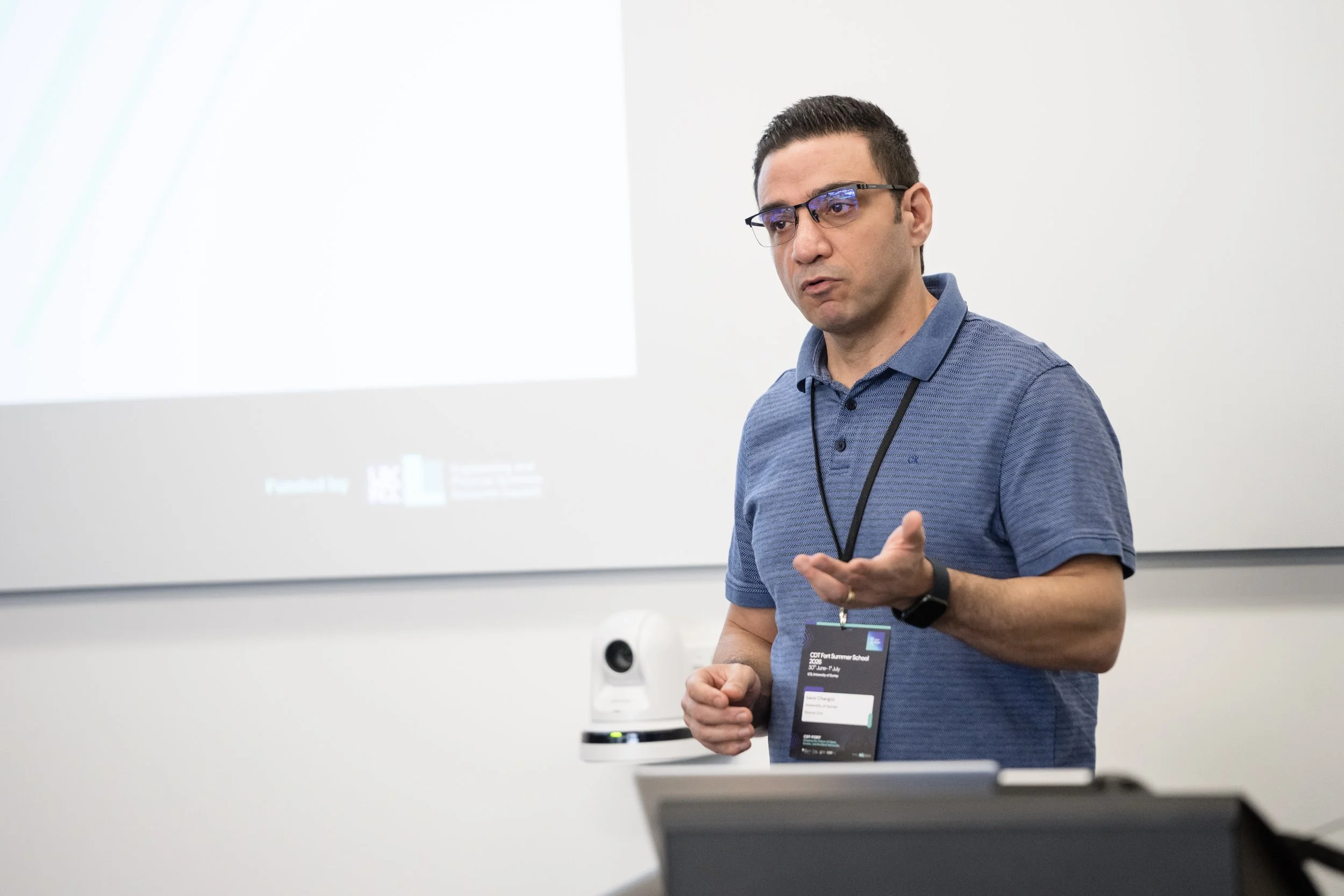
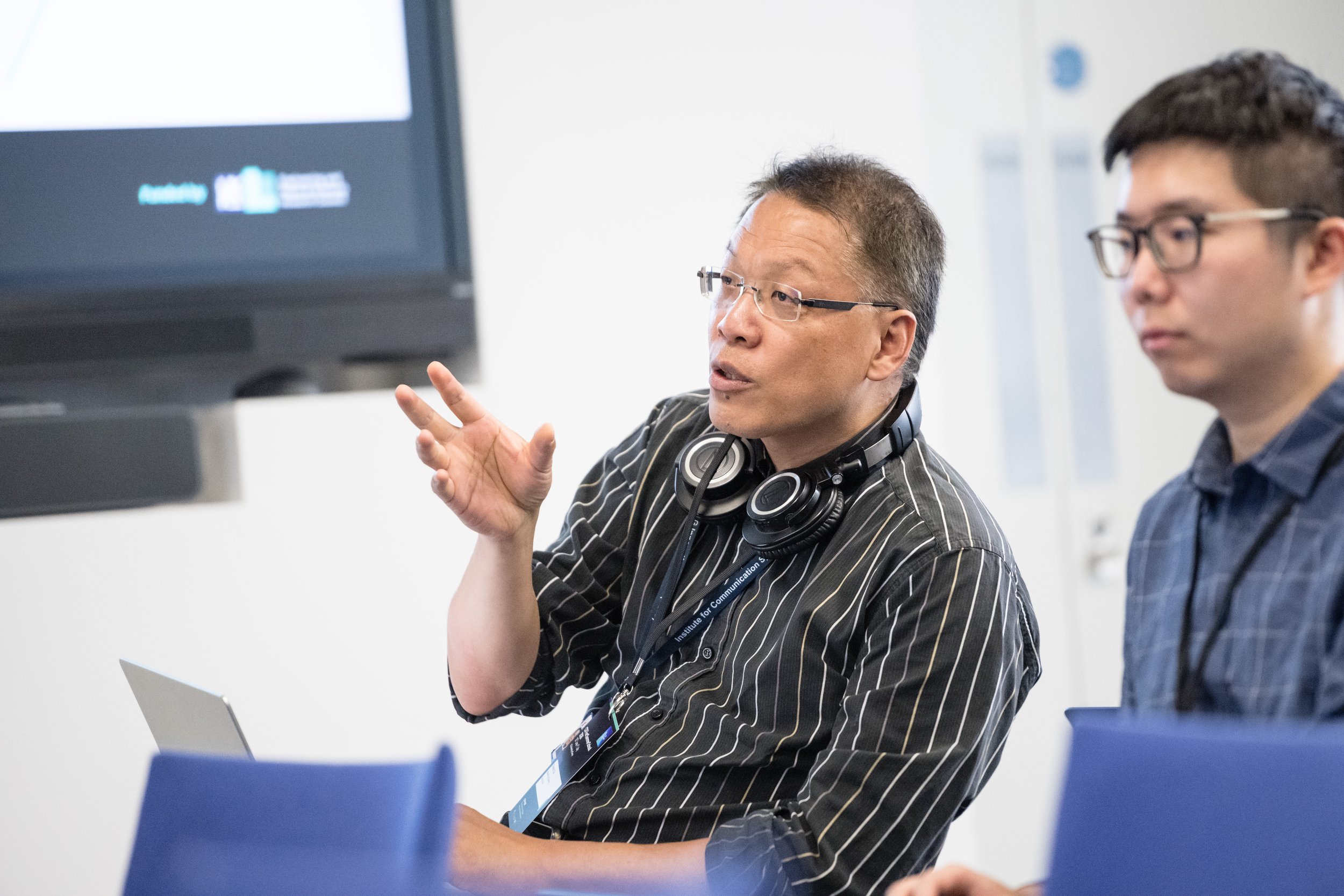
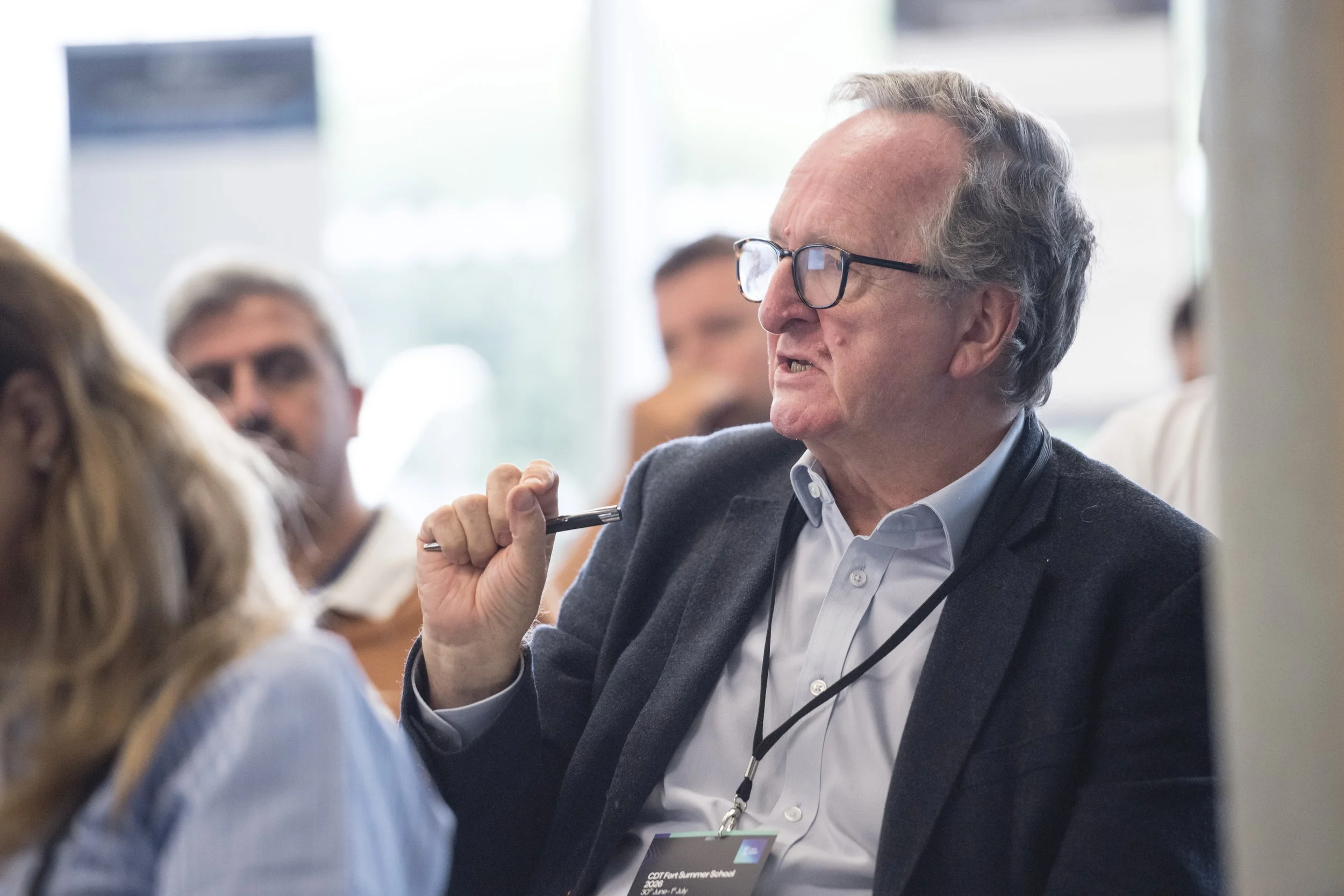
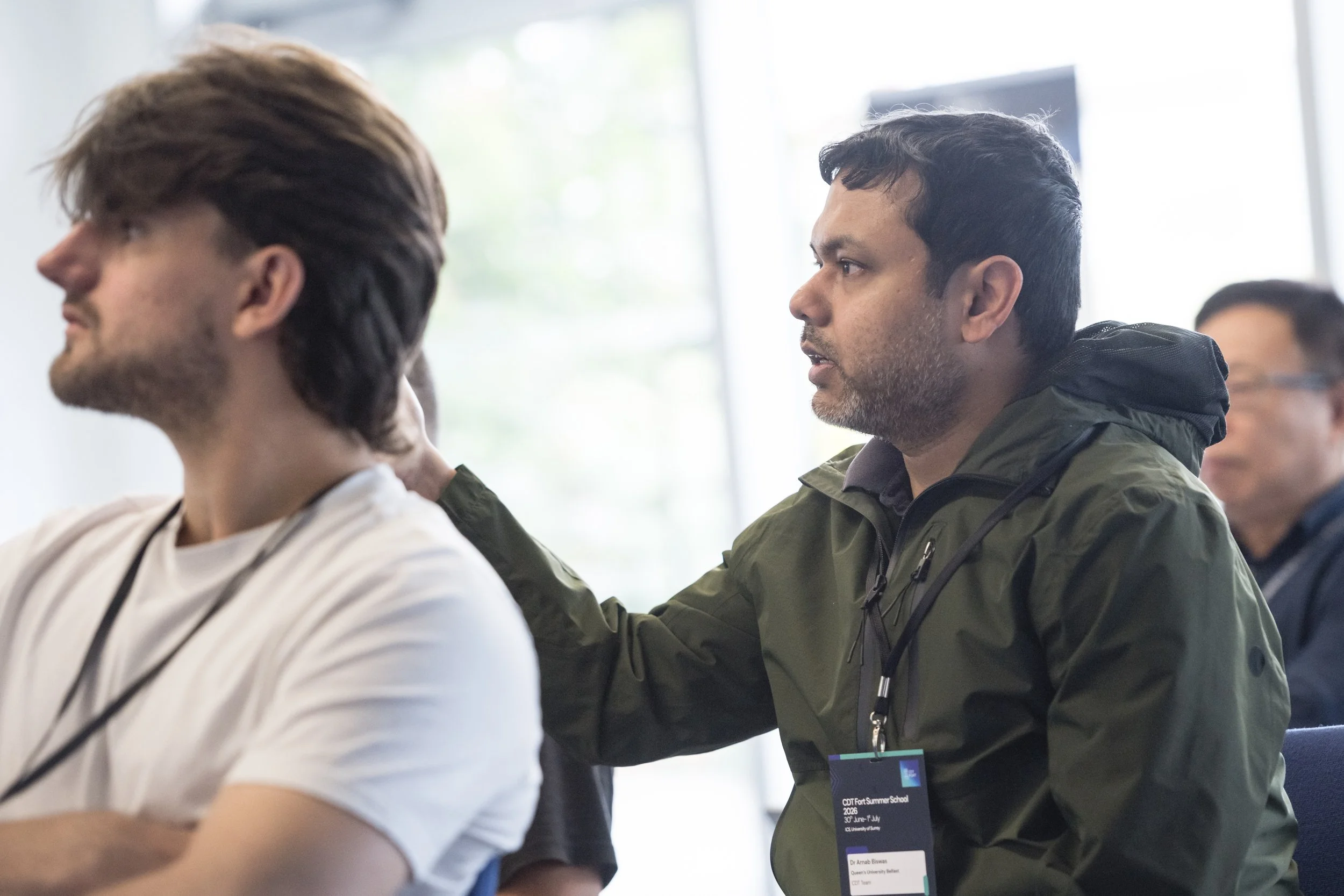
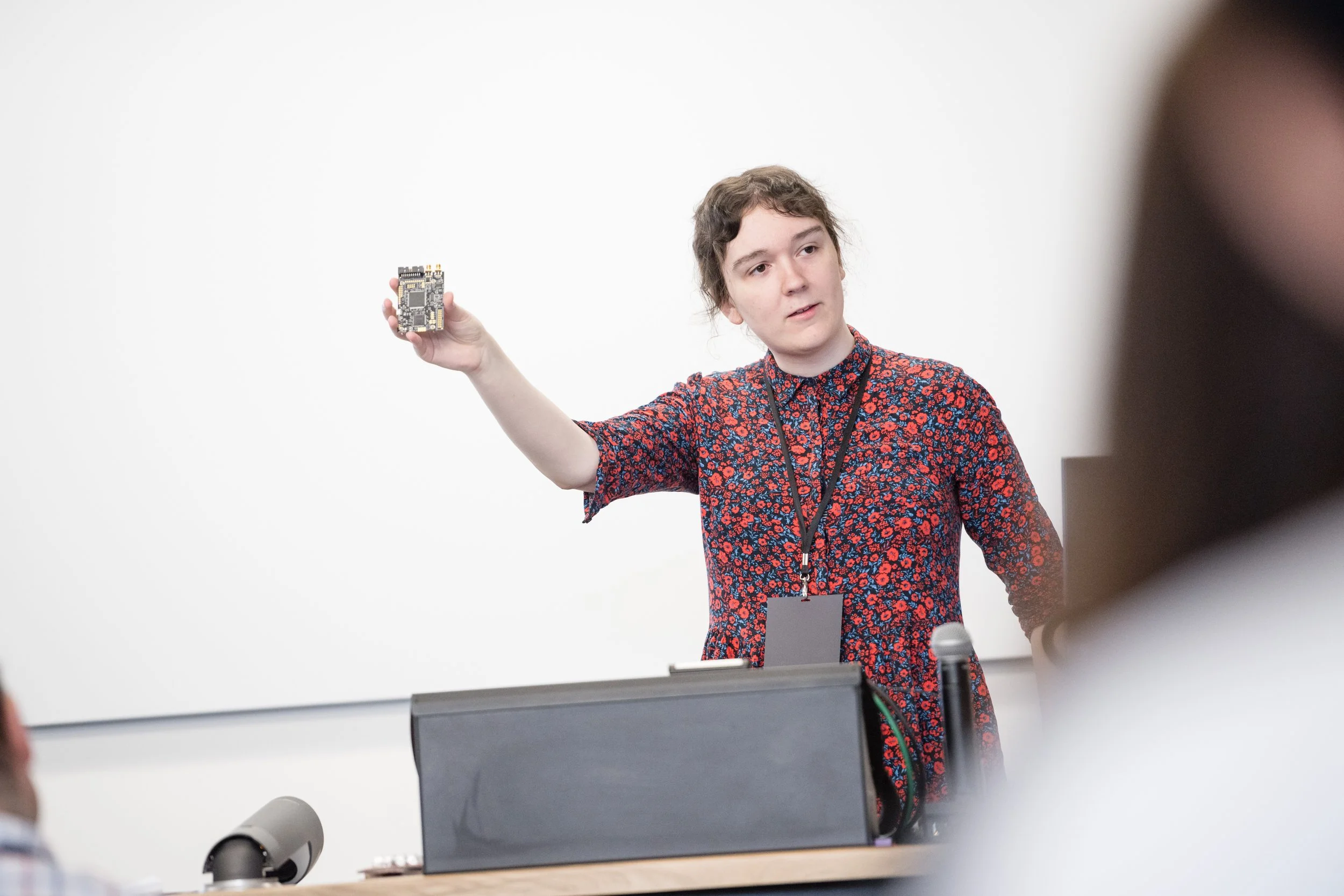
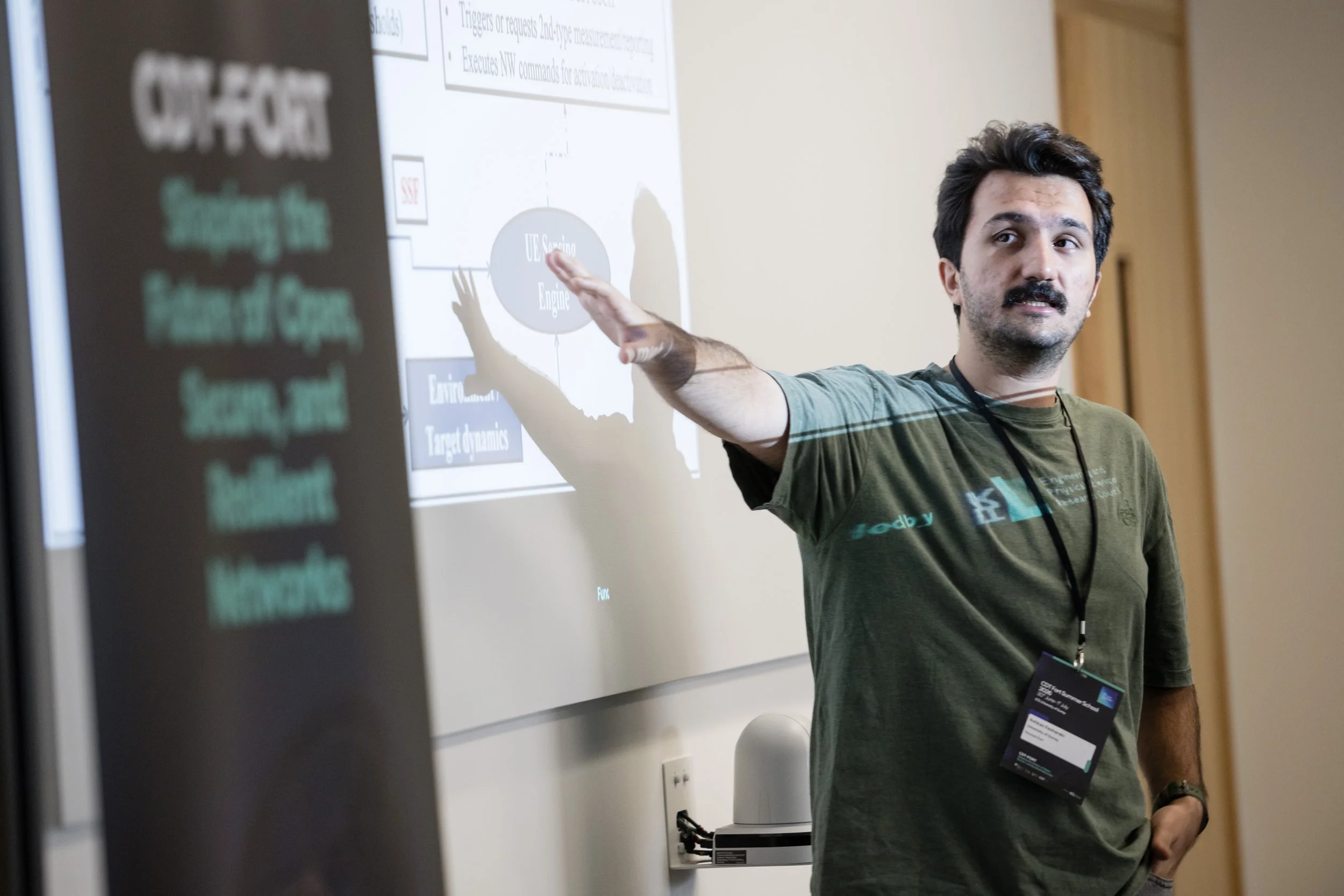
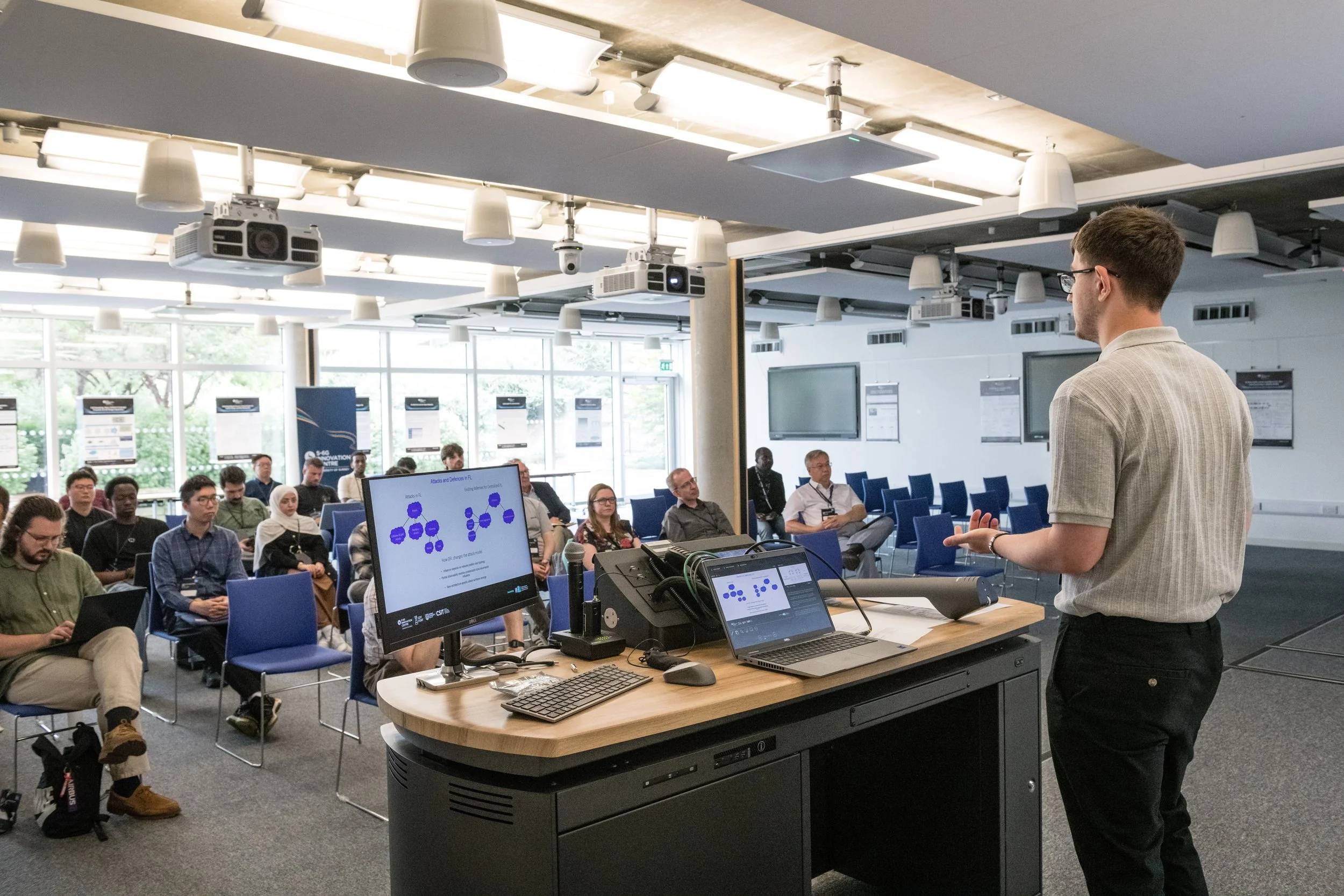
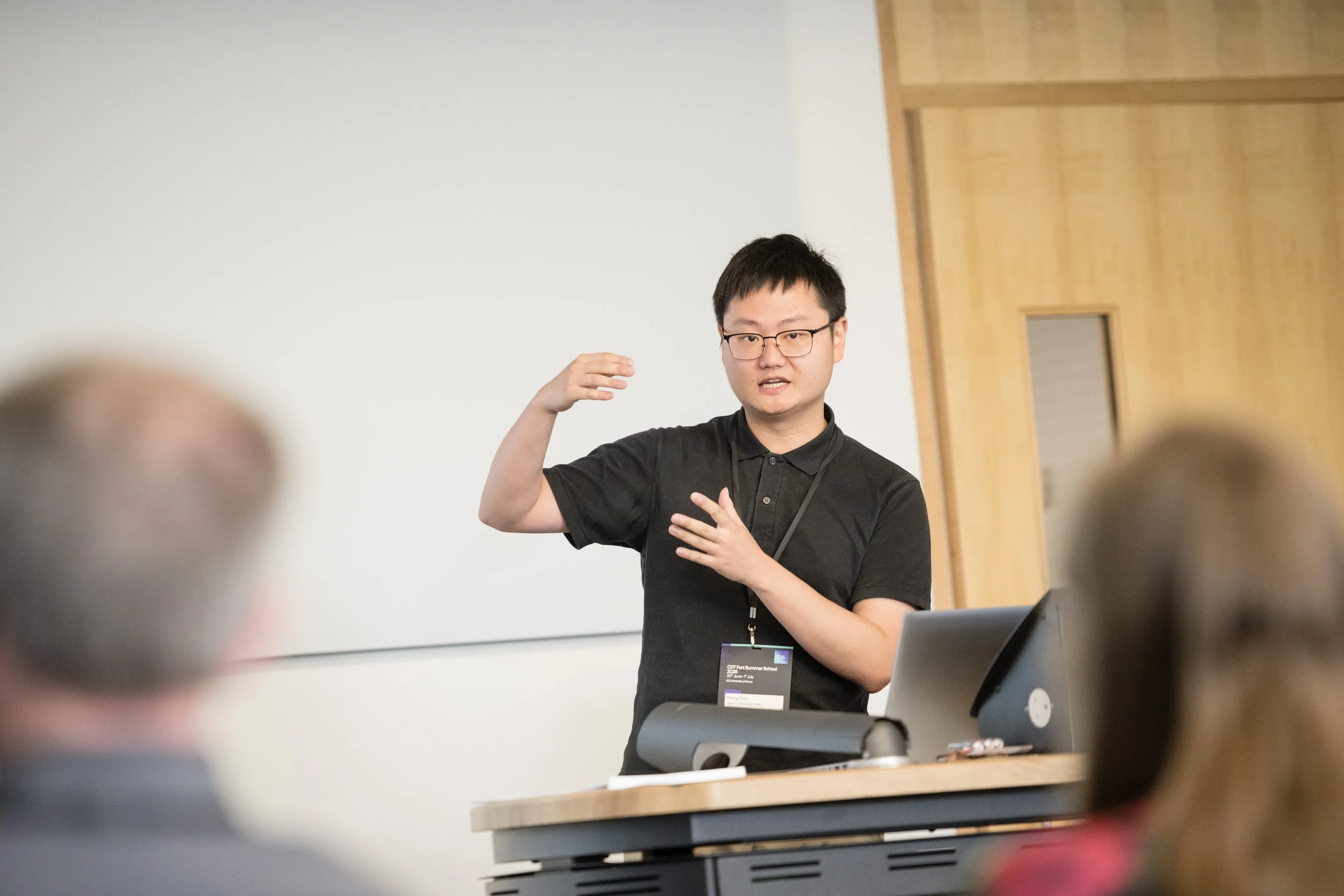
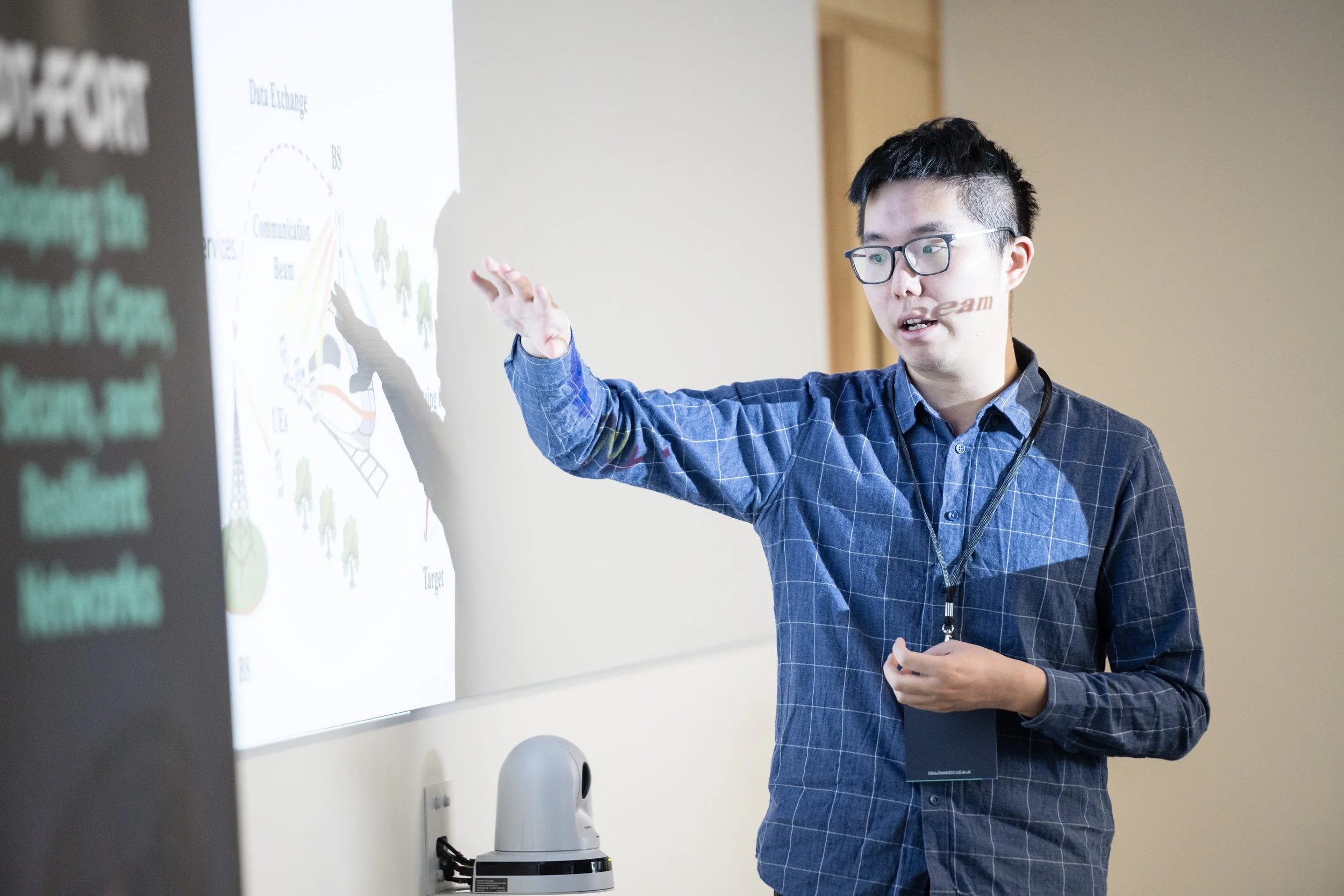
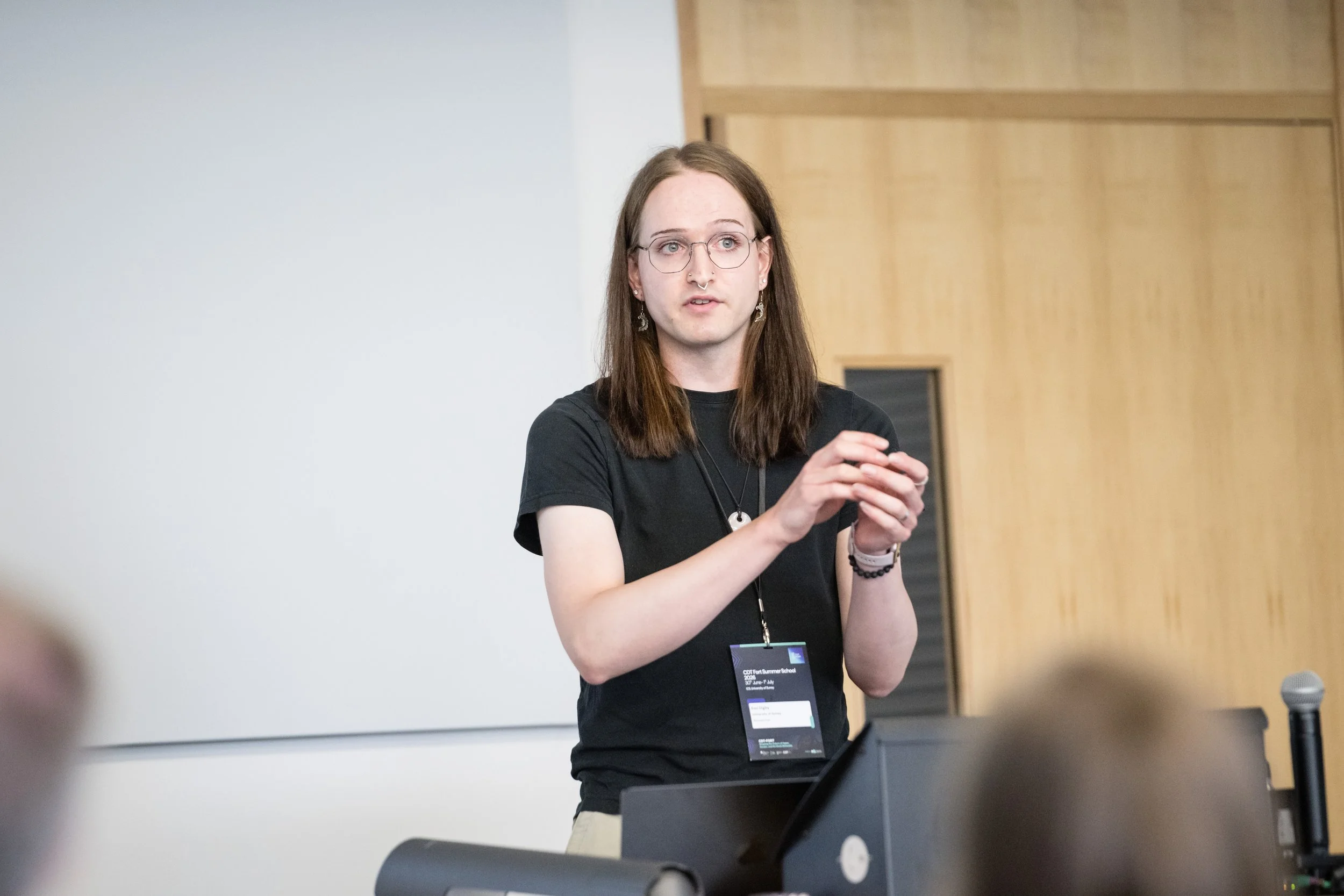
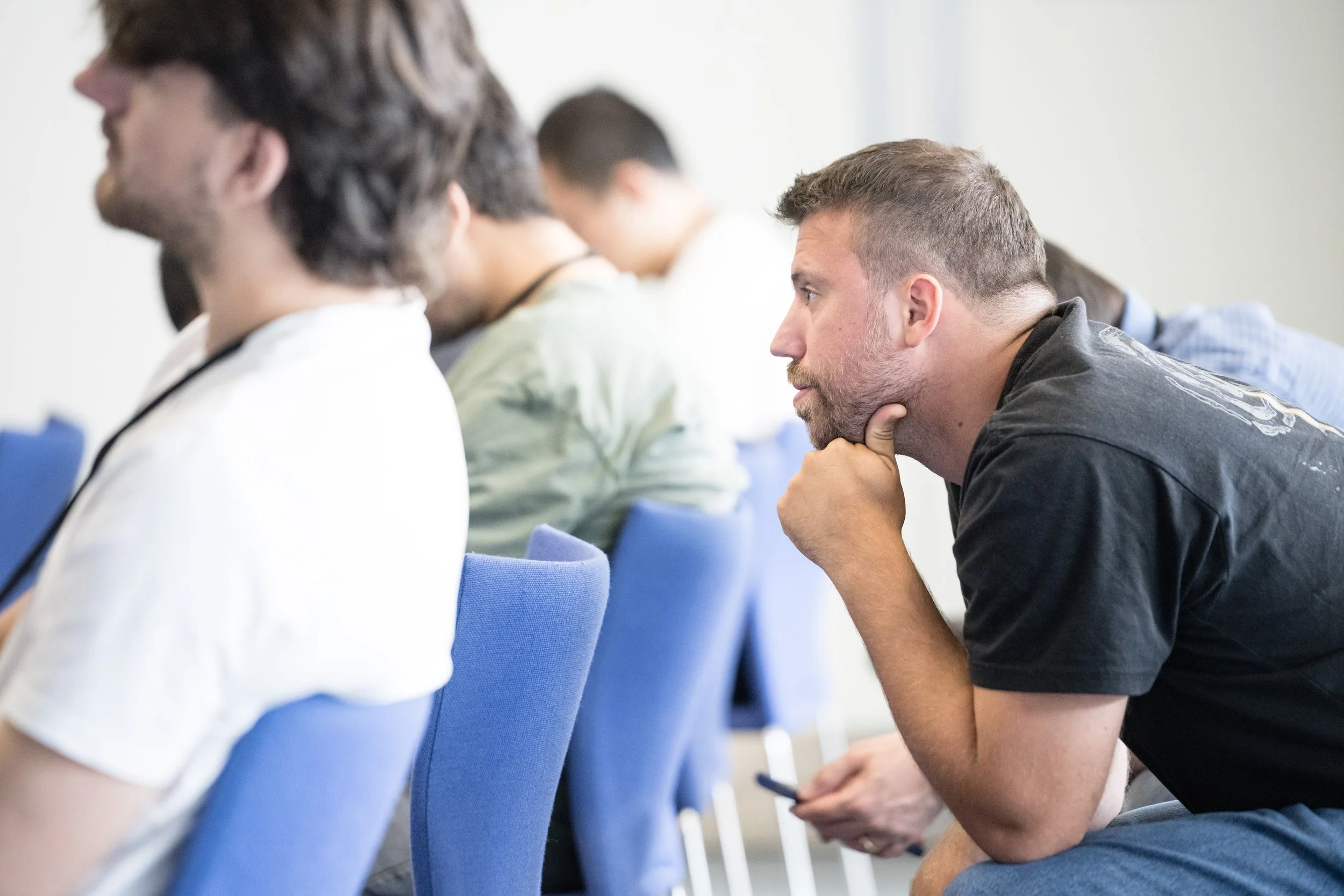
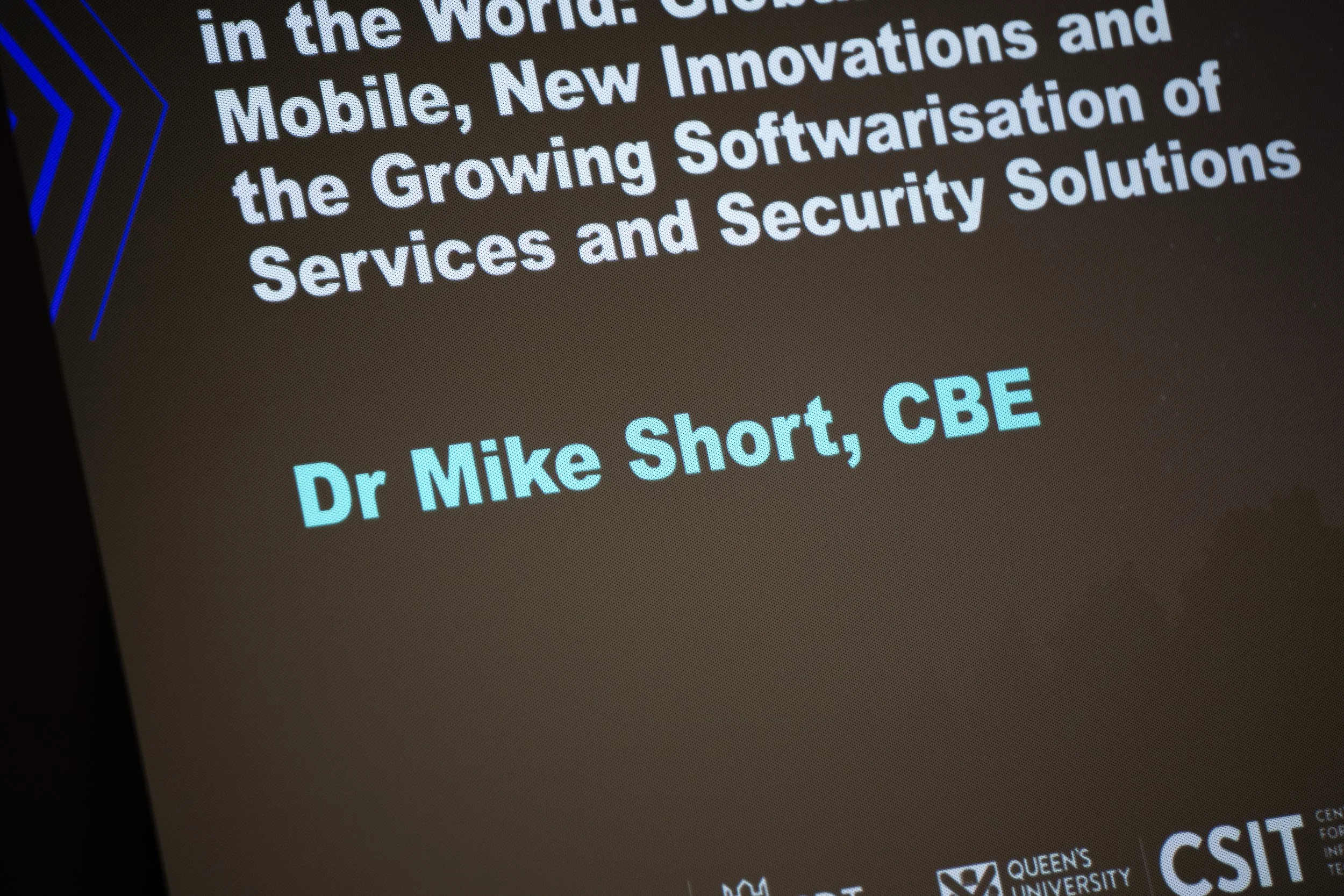
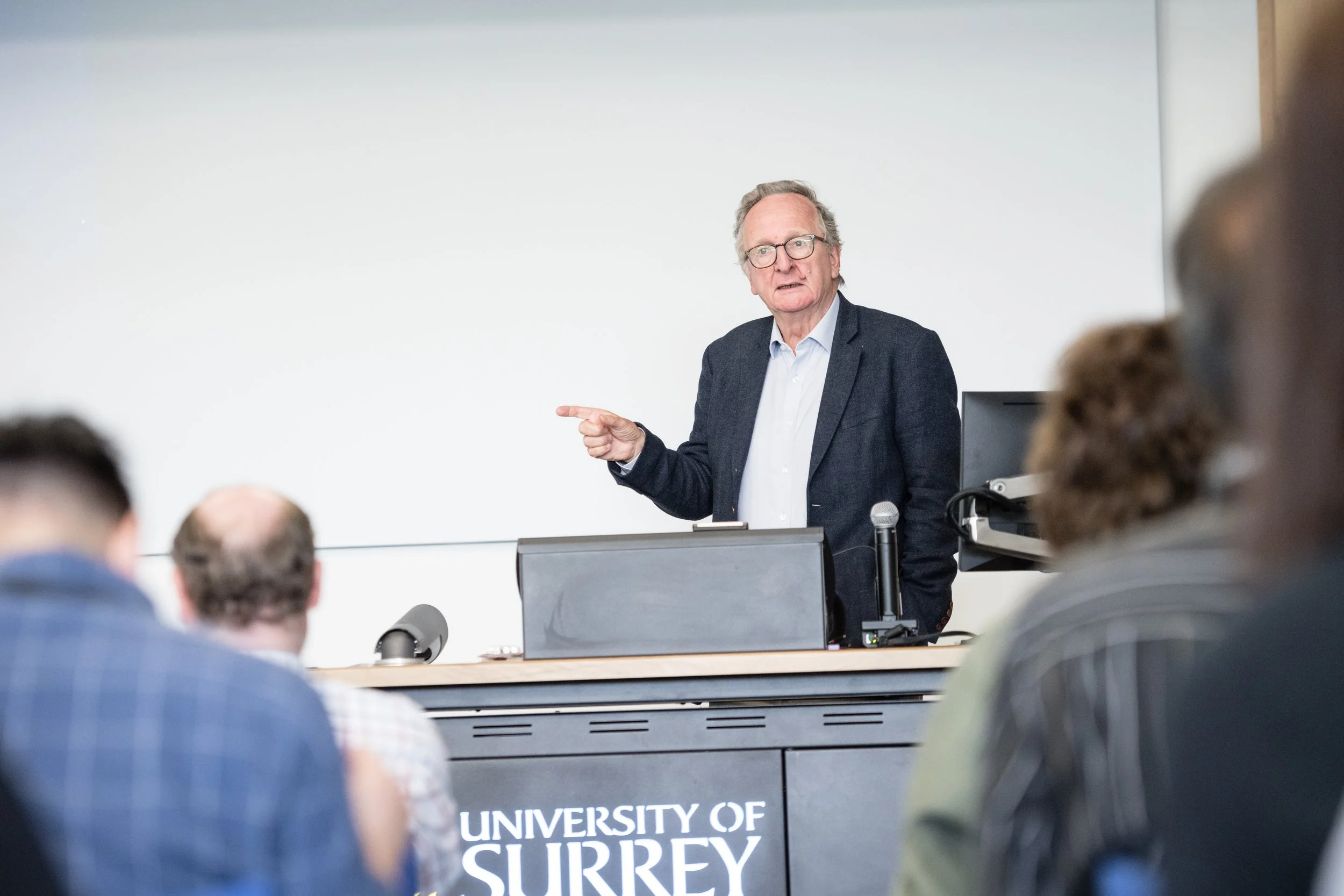
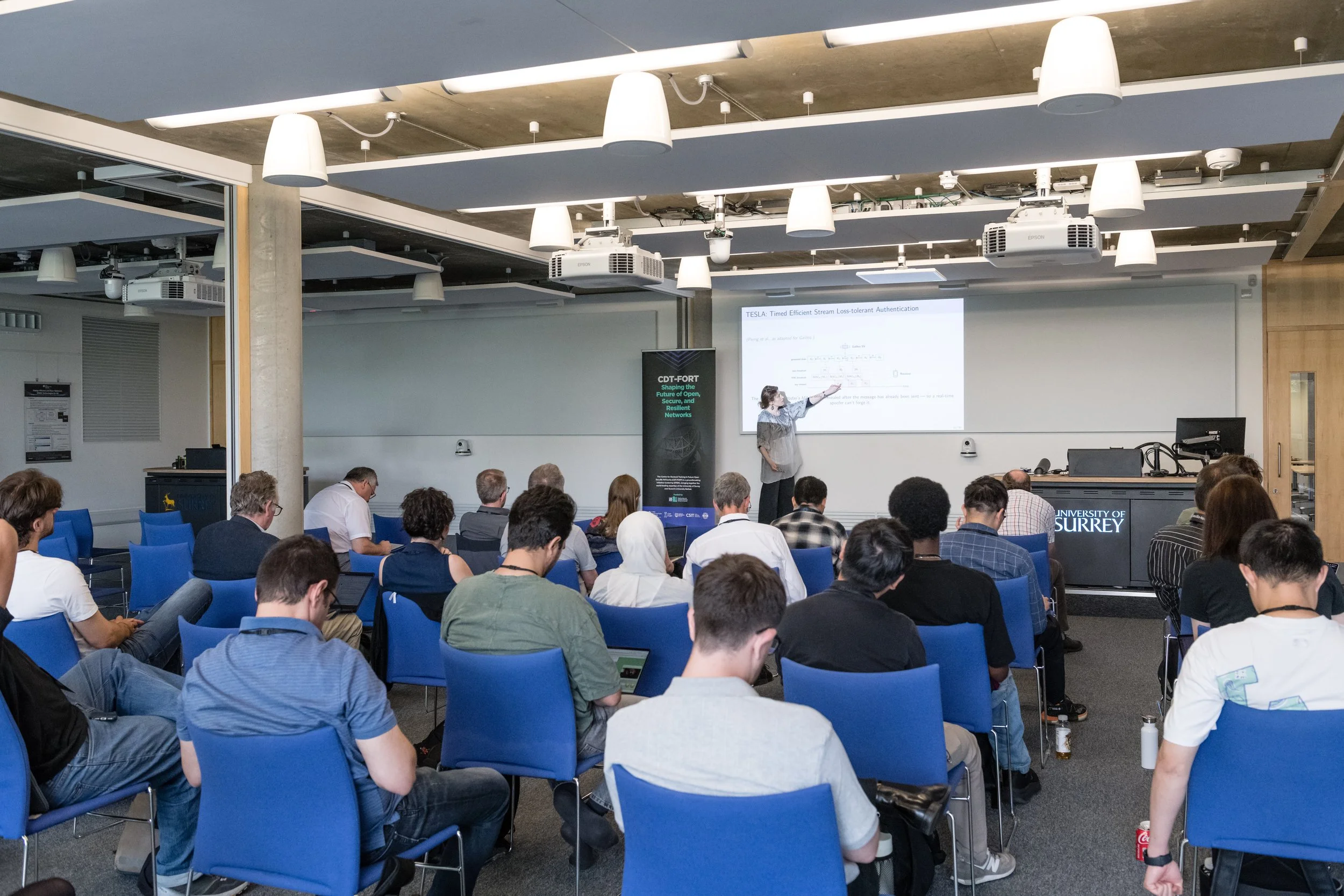
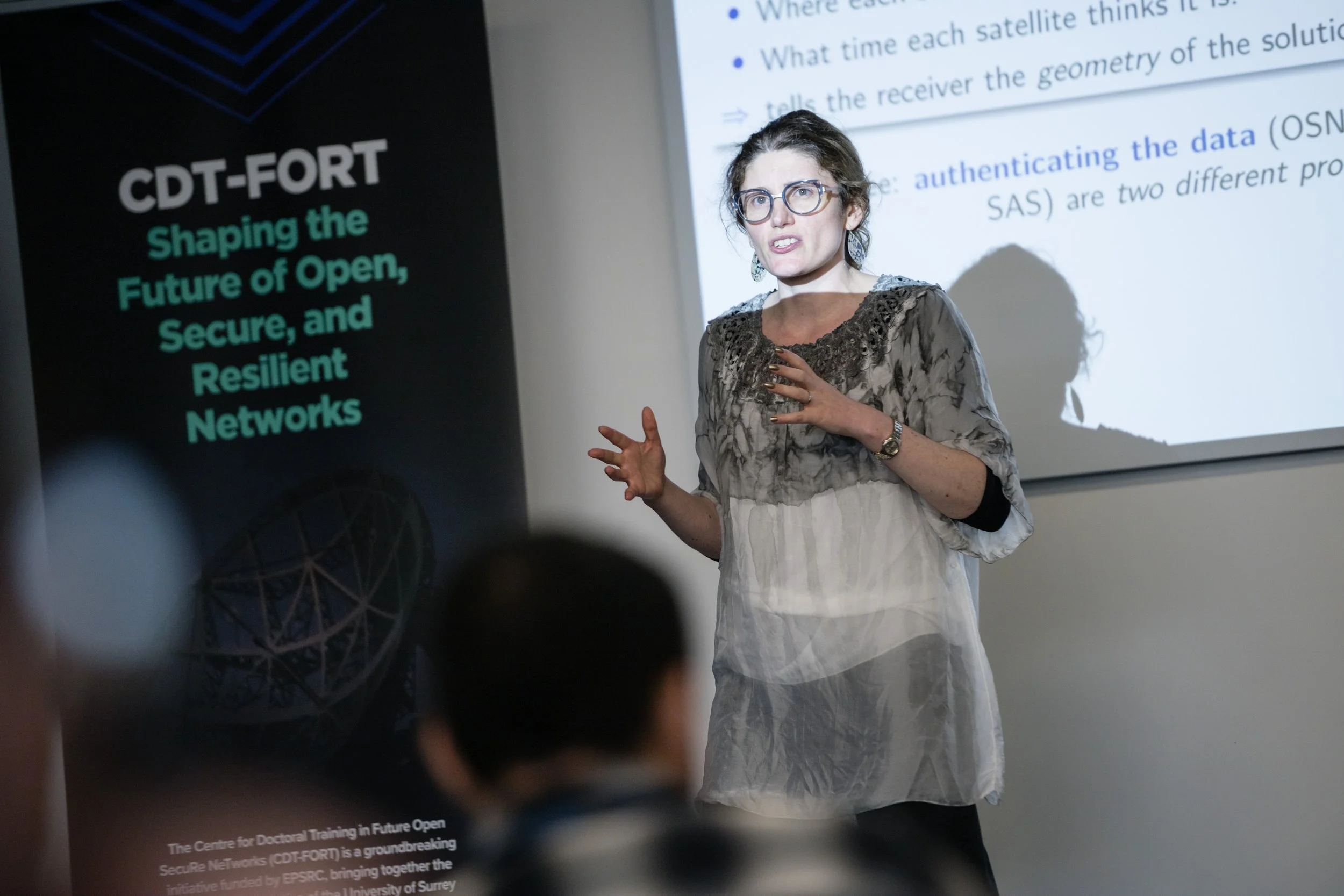
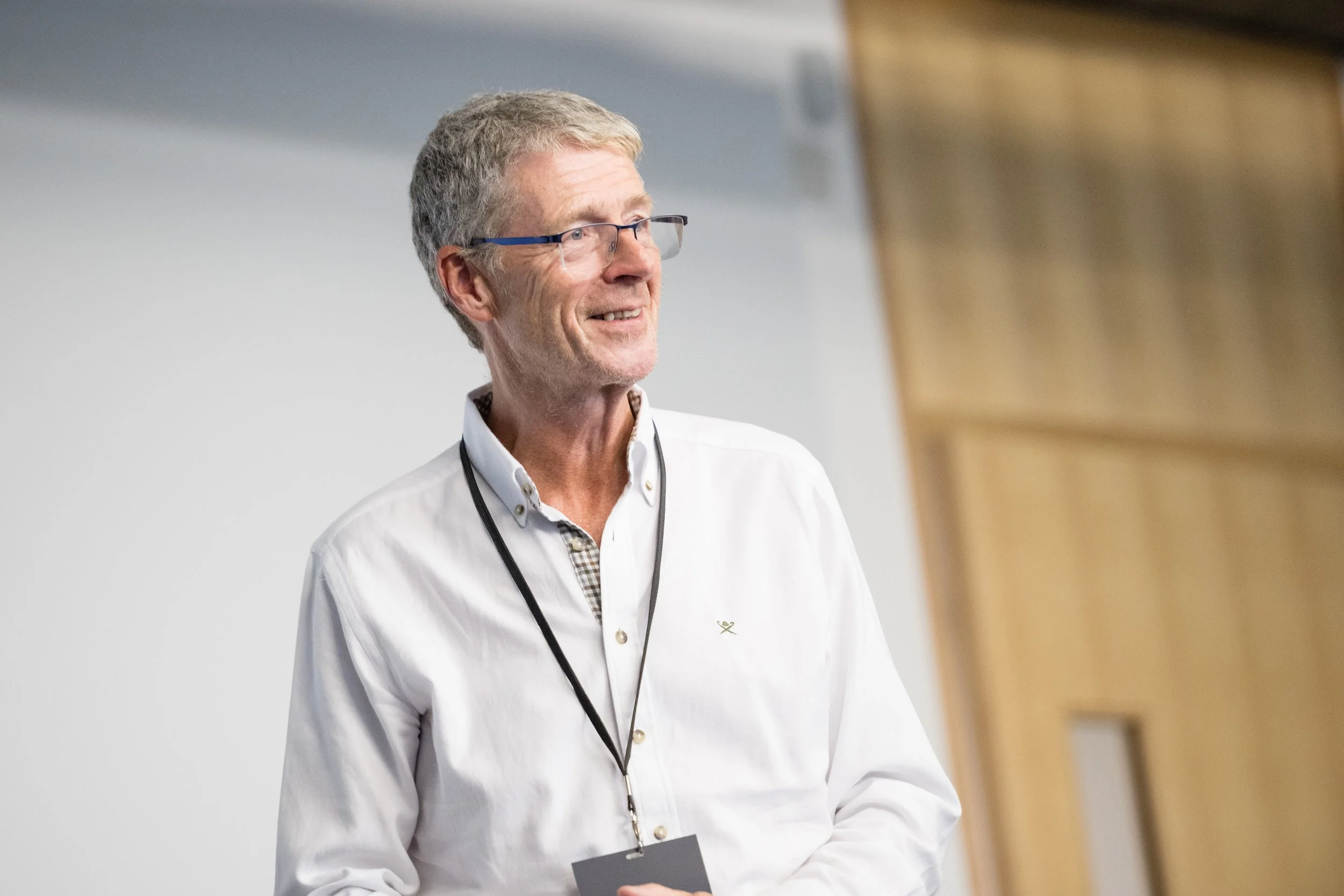
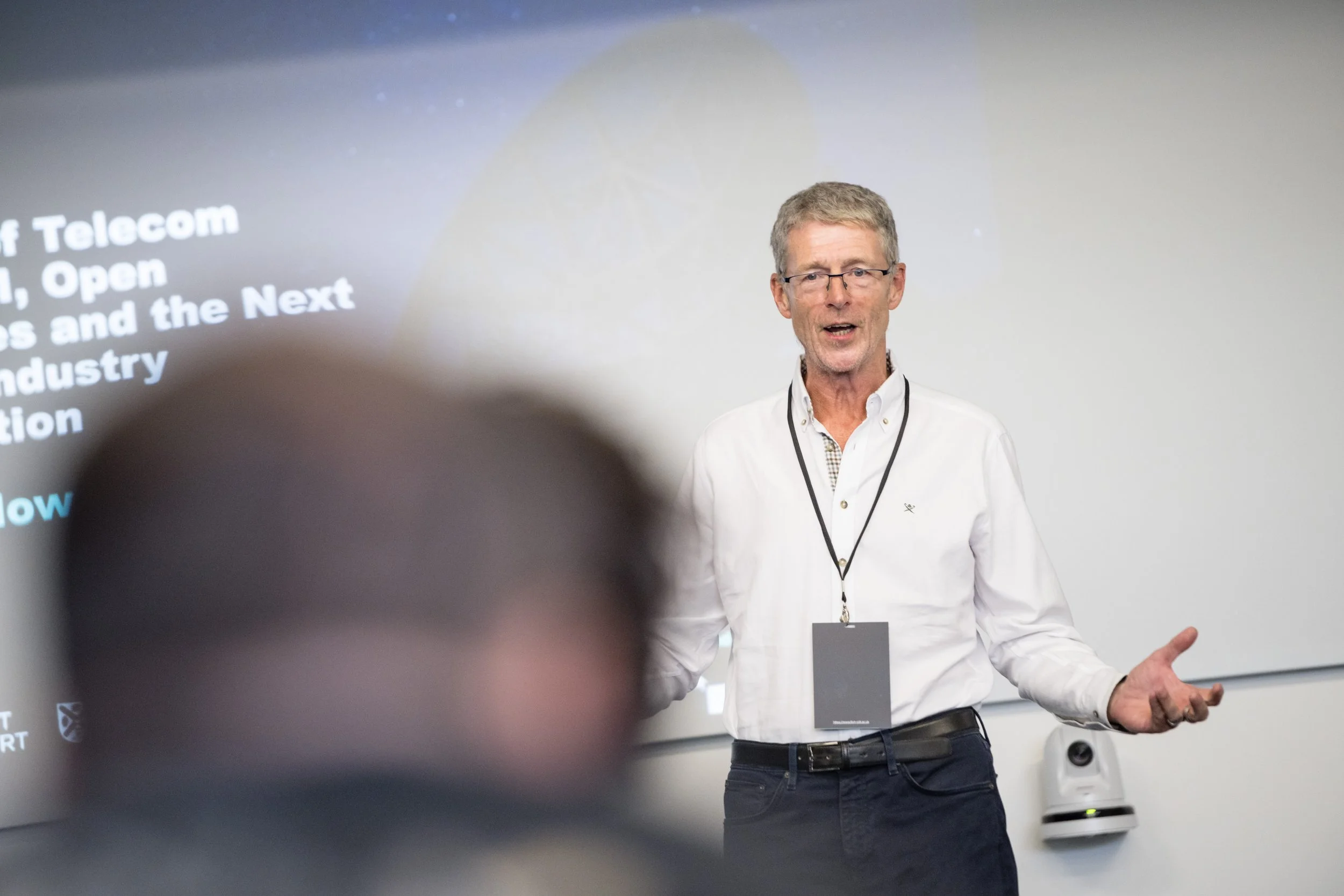
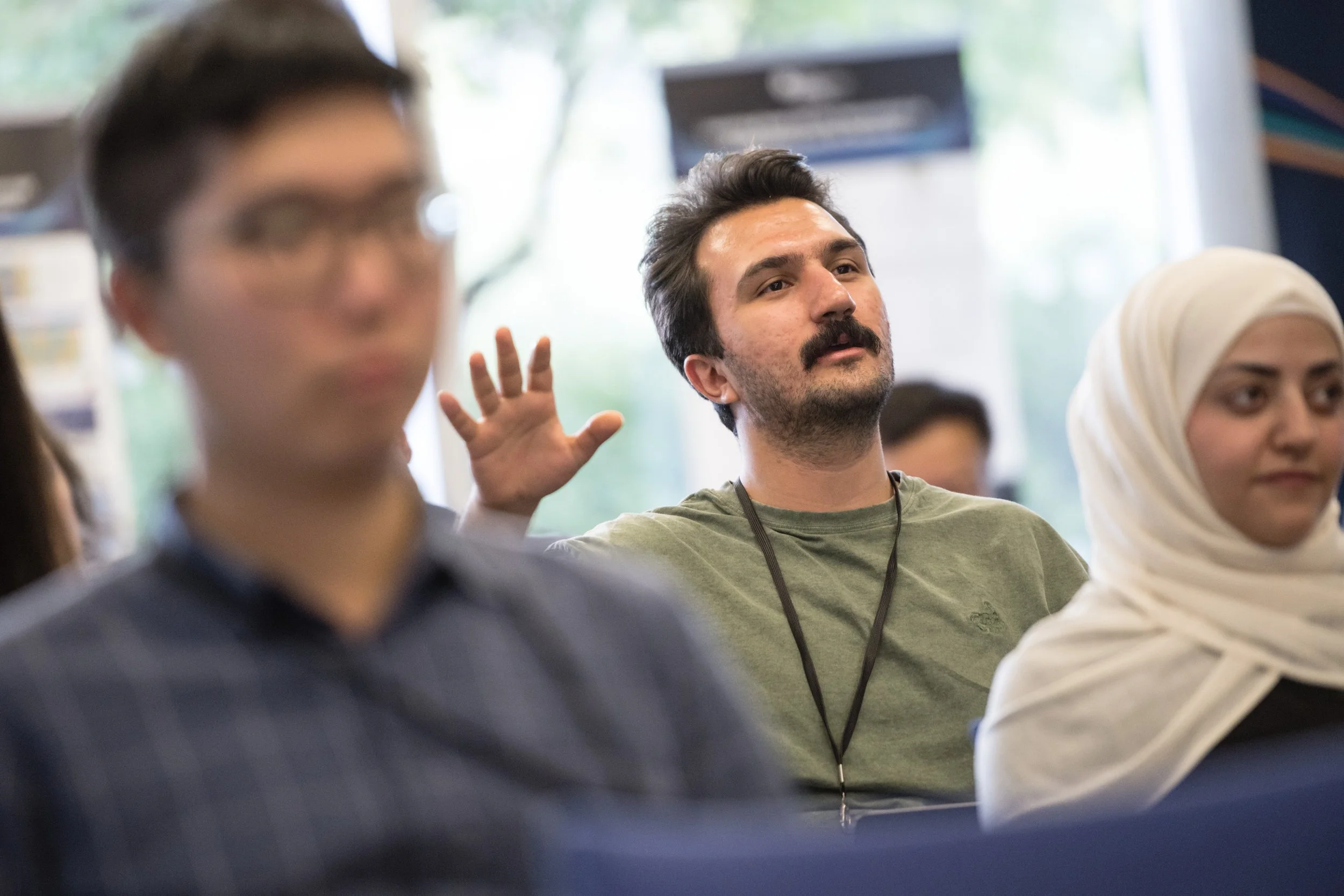
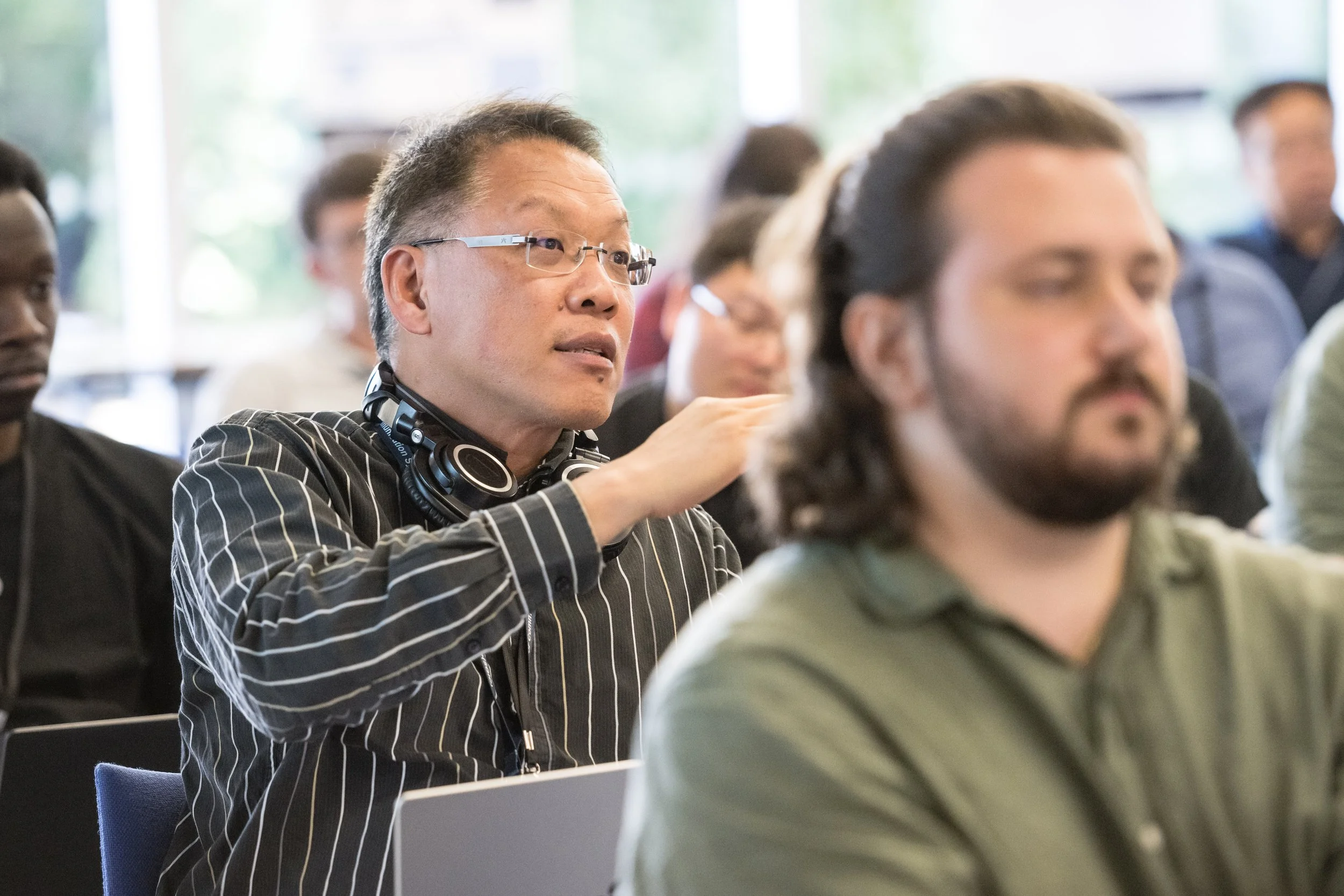
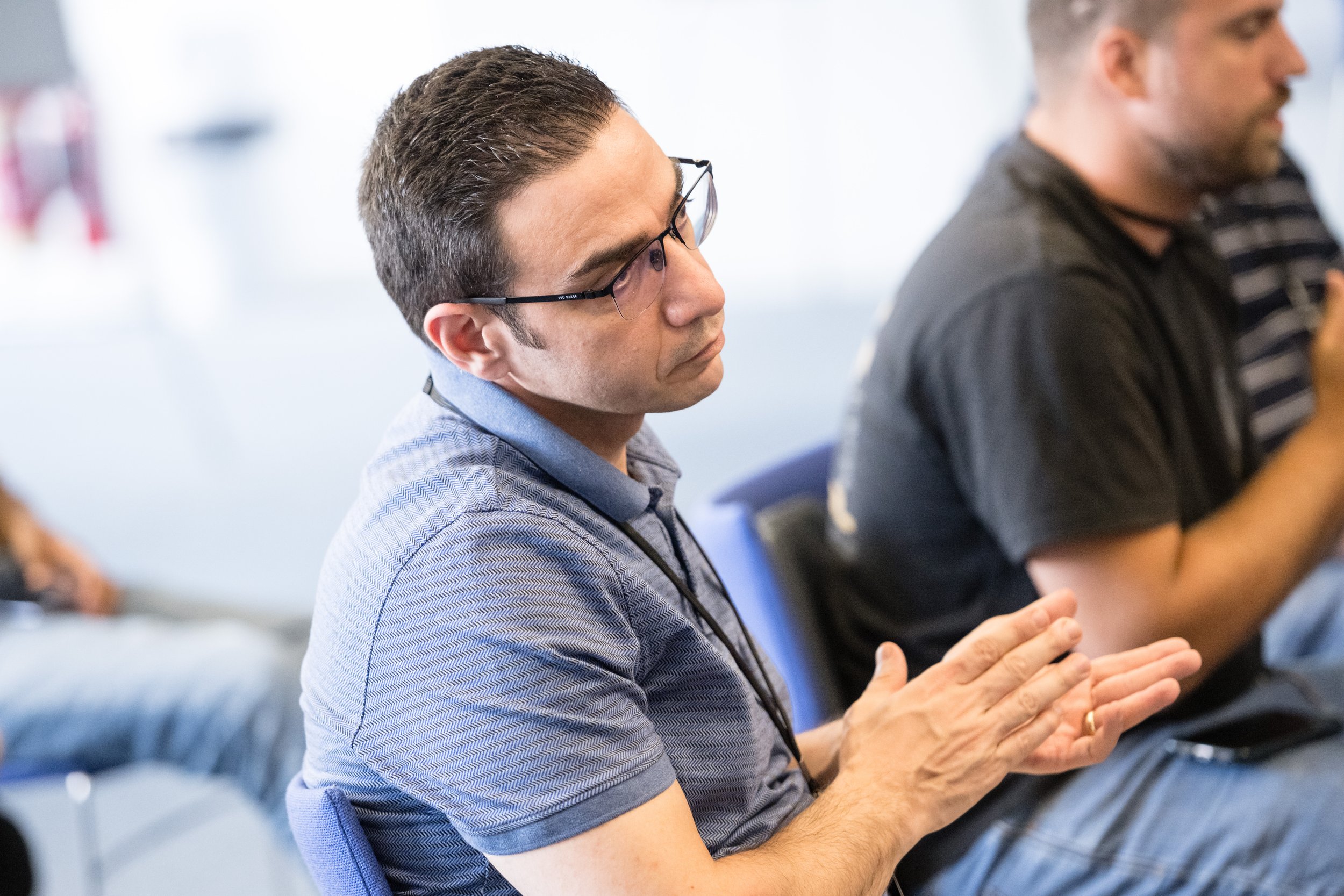
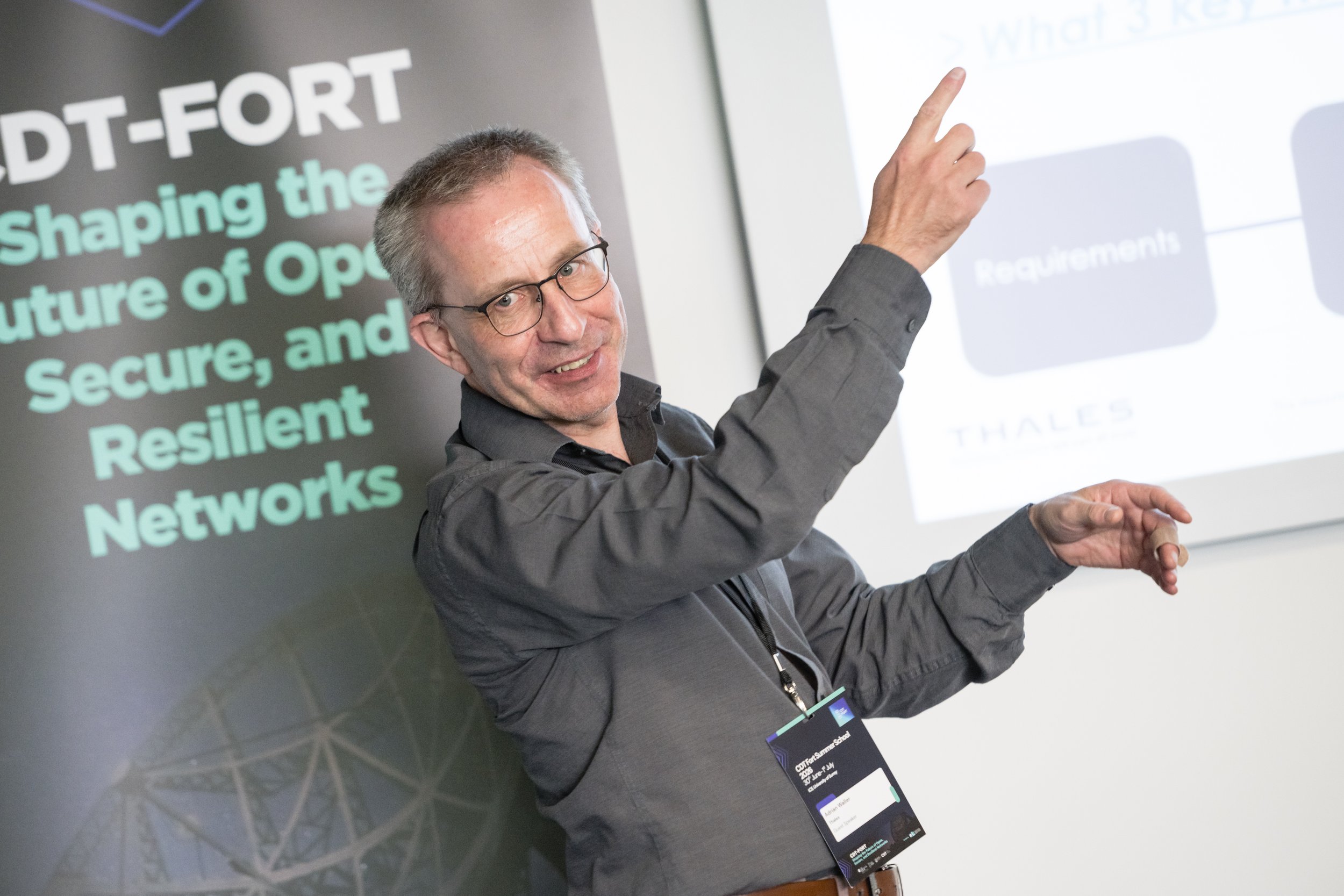
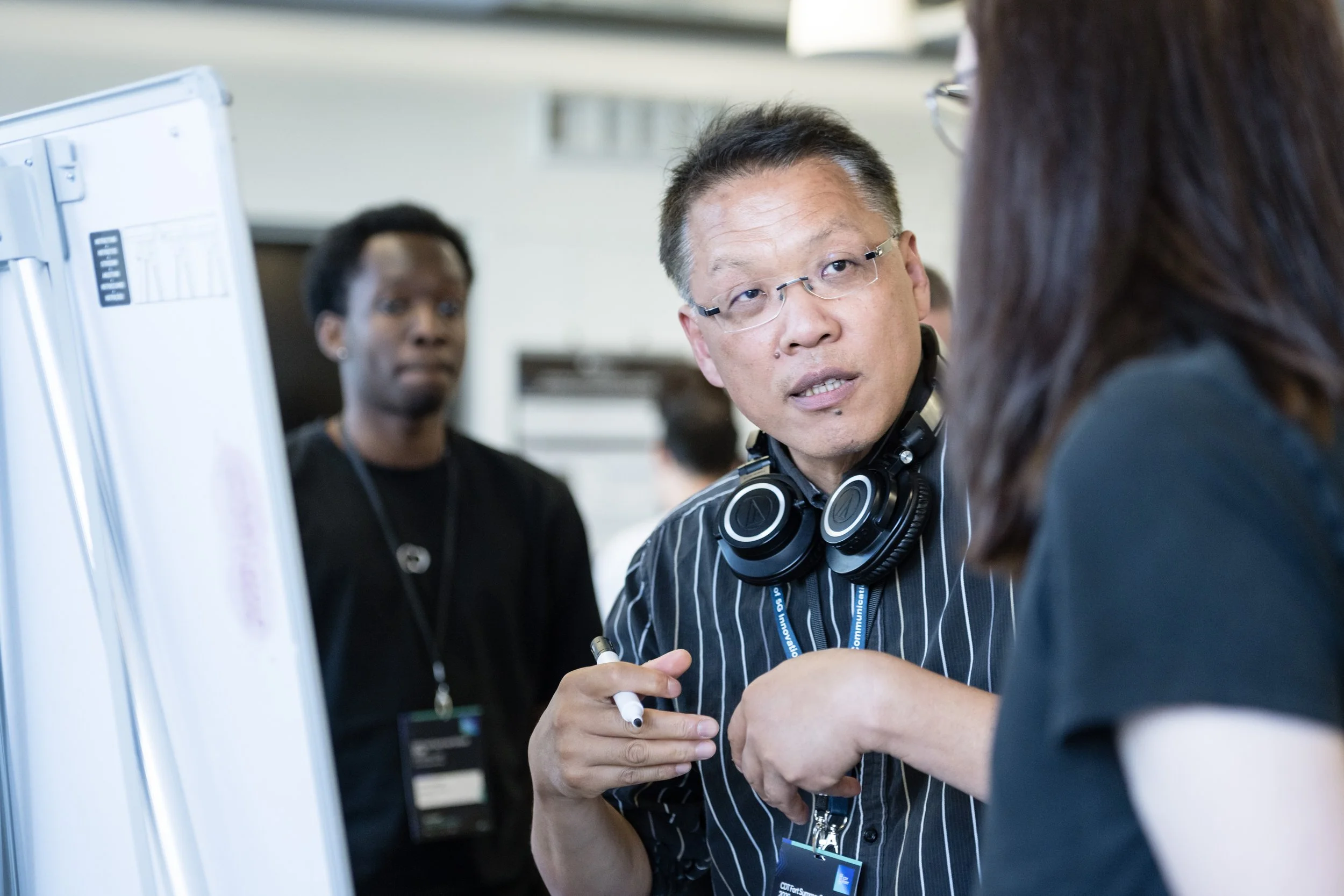
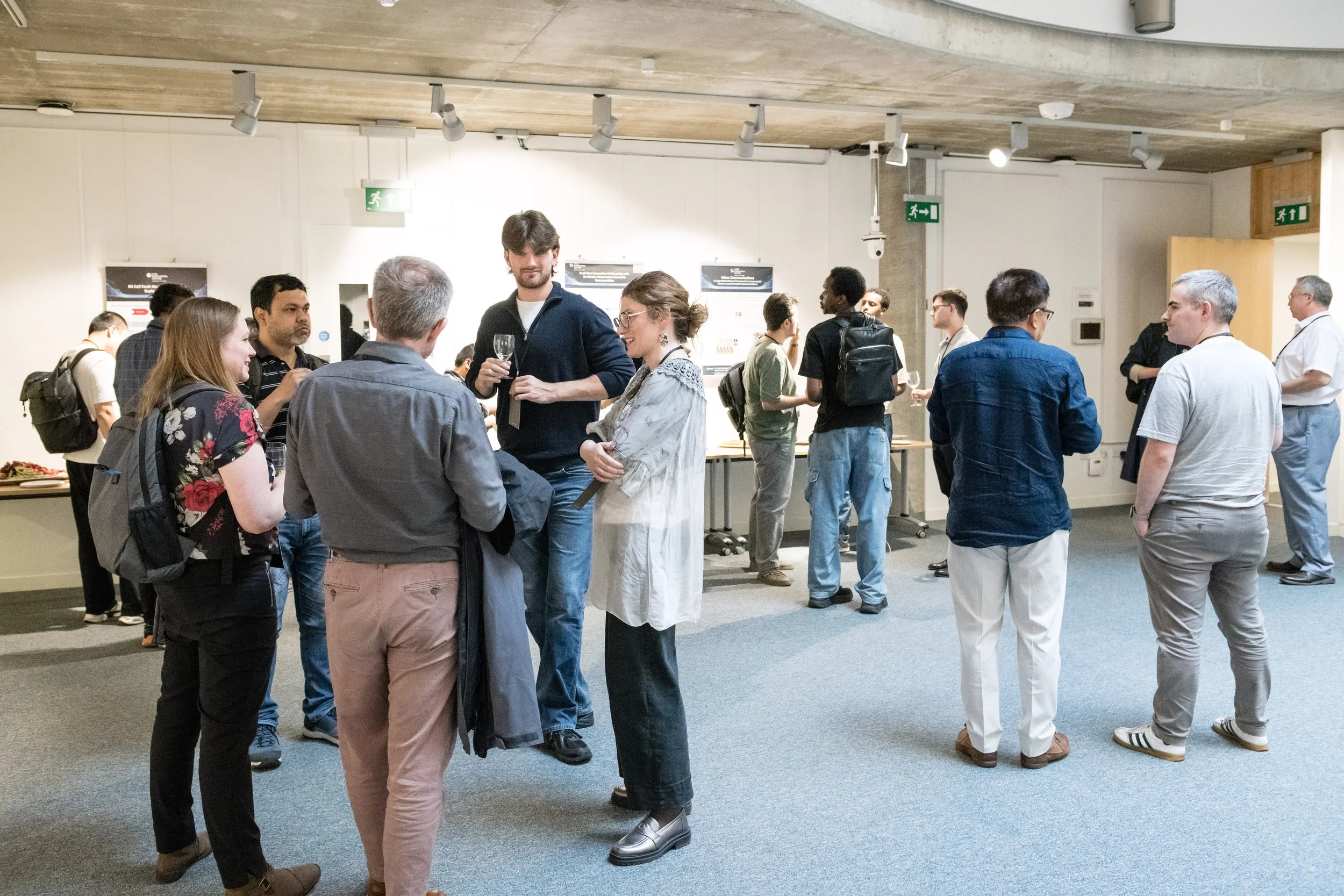
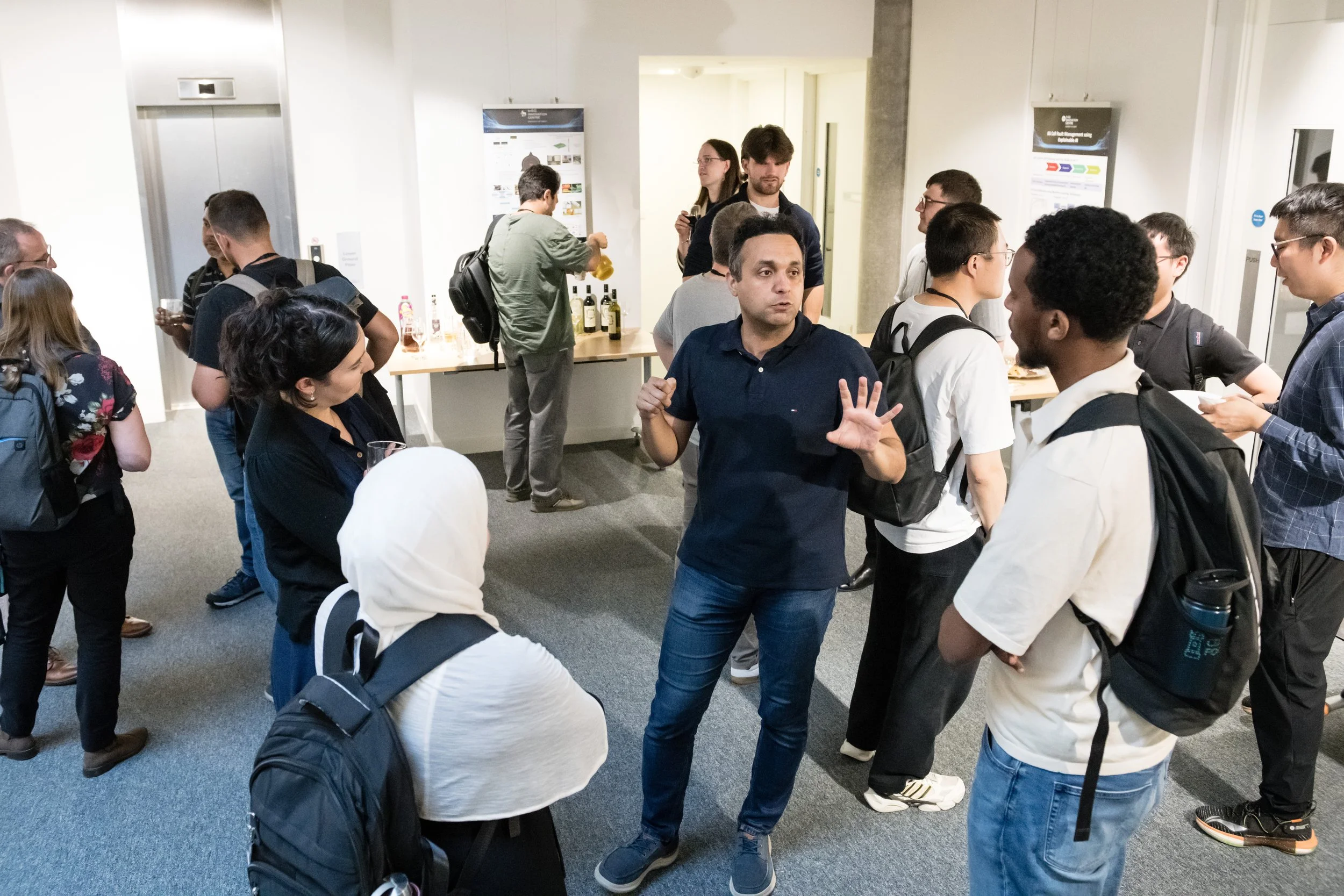
Working in cross-institutional teams and individual research streams, the researchers explored emerging topics aligned with the CDT-FORT vision of developing secure, resilient, and intelligent future communications networks. The projects culminated in presentations to academics, peers, and industry stakeholders such as Ericsson, HP and Rolls Royce, showcasing both technical innovation and collaborative research skills.
Project 1: IoT Network Security
Project 1 group members:
Baosheng Wang QUB
Georgia Clarke QUB
Sam Halfpenny QUB
This project explored the security challenges associated with increasingly interconnected Internet of Things (IoT) environments.
Research topics included:
Explainable AI-Based Network Intrusion Detection
Vertical Federated Learning
Hardware-Assisted Backdoor Mitigation for FPGA-Based Edge AI
The project examined how advanced machine learning and hardware-based security approaches can strengthen the resilience of future IoT networks against evolving cyber threats. The work combined explainable artificial intelligence, privacy-preserving distributed learning techniques, and secure edge AI architectures to address key challenges in trustworthy autonomous systems.
Project 2: UAV-Assisted Network Security
Project 2 group members:
Dean Froggatt UoS
Mohammed Abdulkadir UoS (presenting at a later date)
Sheefa Al Deek QUB
This project investigated how unmanned aerial vehicle (UAV) technologies can be deployed securely within future communication networks.
Research topics included:
AI-Assisted UAV Intrusion Detection
Non-IID Federated Learning
Adversarial Attacks on Networked Systems
The researchers explored the opportunities and security challenges presented by intelligent UAV-enabled networks. Their work considered intrusion detection, distributed learning under heterogeneous data conditions, and the impact of adversarial attacks on AI-enabled communication systems.
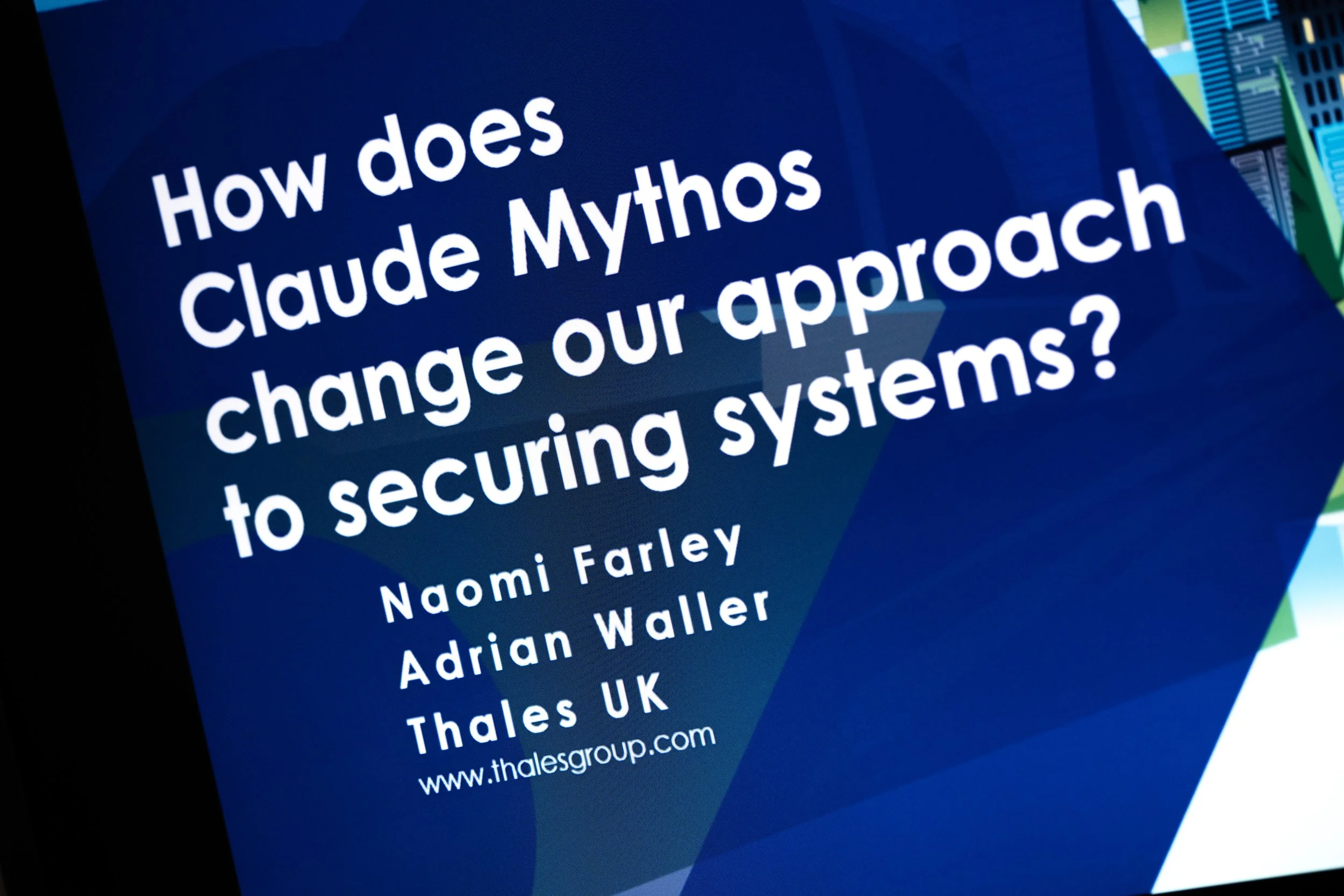
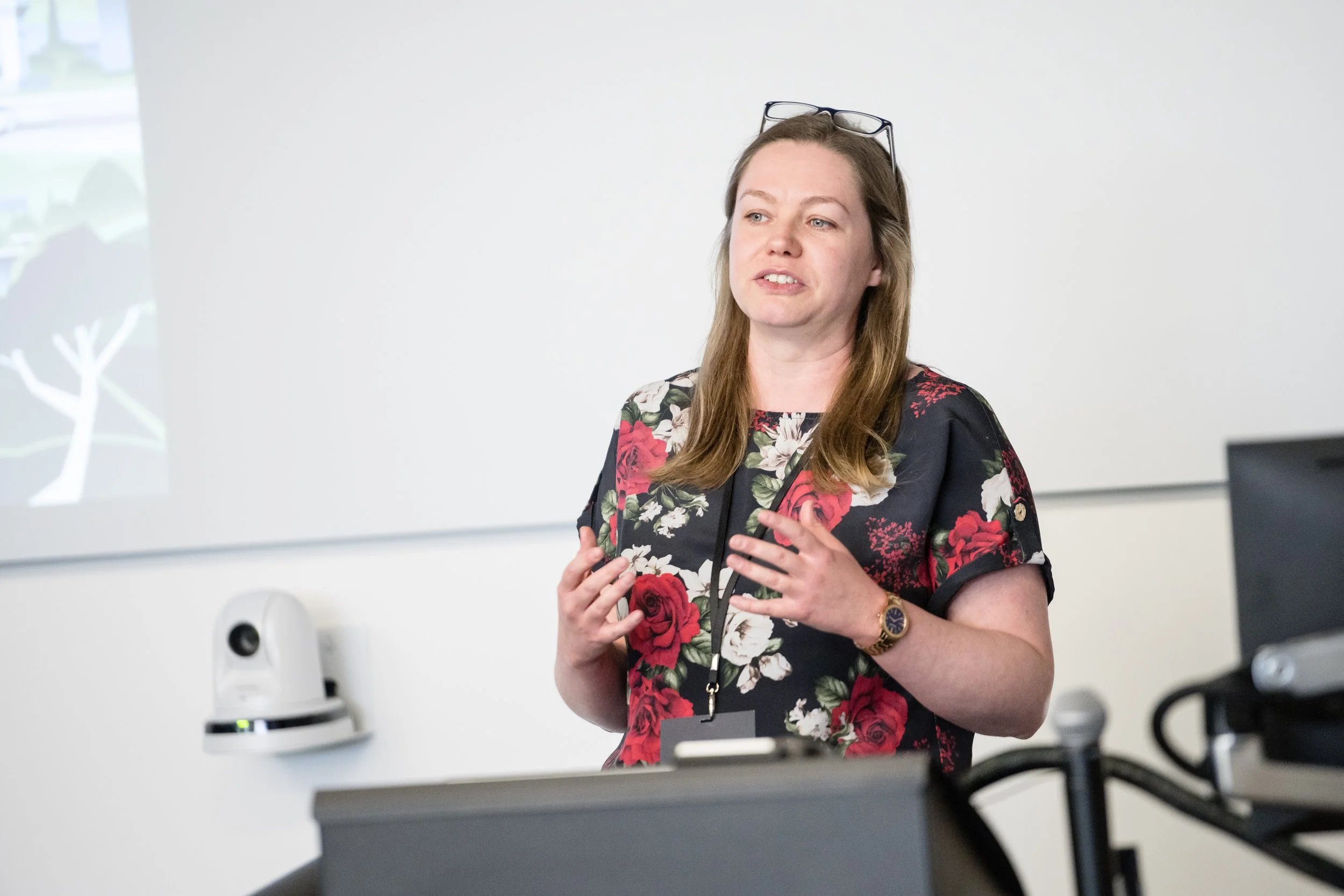
Industry engagement was a key theme throughout the event. Naomi Farley of Thales led an interactive workshop on secure systems development in the age of AI, encouraging students to consider emerging approaches to building trustworthy and resilient technologies.
Project 3: Satellite Networks and Security
Project 3 group members:
Temi Lasekan UoS
Charlie Collins QUB
Dionysi Ntreou QUB
Focusing on the growing importance of satellite communications as part of future integrated networks, this project addressed key challenges in securing non-terrestrial network infrastructure.
Research topics included:
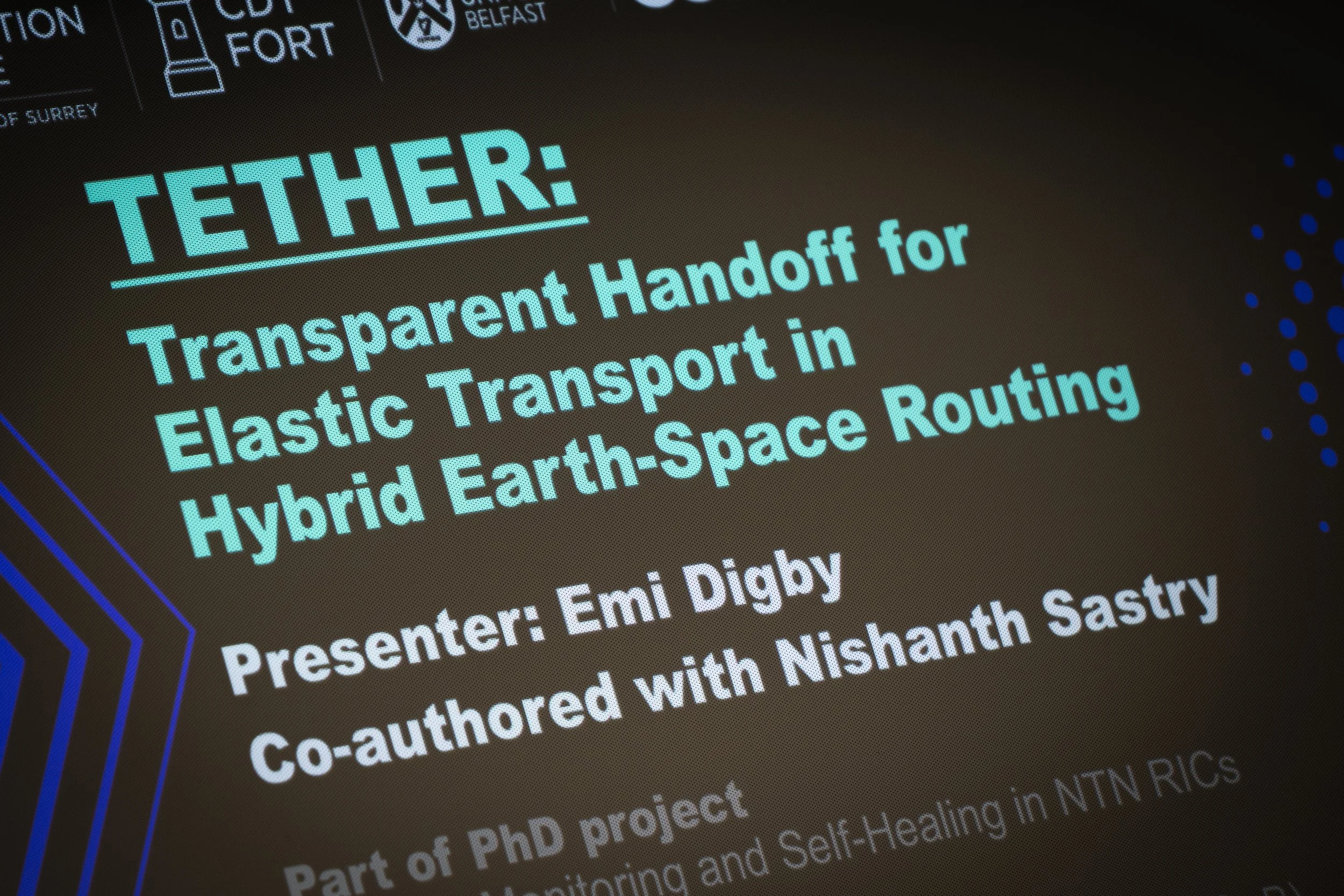
AI-Resilient NTN Networks
Post-Quantum Cryptography and Quantum Key Distribution (QKD)
Federated Learning and Privacy Attacks in NTNs
The project explored how next-generation security mechanisms can support resilient satellite communications, including post-quantum security solutions and privacy-preserving machine learning approaches for distributed network intelligence.
Project 4: AI-Enabled Non-Terrestrial Networks
Project 4 group members:
Ibrahim Raagi UoS
Fardan Fardan UoS
Charles Cai UoS
Milad Albalgul UoS
This project examined how advanced AI techniques can improve the performance, management, and security of future satellite-enabled communication systems.
Research topics included:
AI-Assisted Physical Layer Security for Post-Quantum Satellite Networks
Smart Resource Management in NTNs
Agentic-Based Network Orchestration for NTNs
Security of NTN Integration into 5G and 6G Networks
The researchers investigated how artificial intelligence can support autonomous network management, intelligent resource allocation, and enhanced security across increasingly complex terrestrial and non-terrestrial network environments. The project highlighted the critical role AI is expected to play in the evolution of future 6G communications systems.
Looking Ahead
The completion of these projects marks a significant milestone for Cohort 2, demonstrating their ability to tackle complex multidisciplinary research challenges while working across institutions and research specialisms. The projects are currently being assessed, and we look forward to celebrating the outcomes in due course.
Congratulations to all of our CDT-FORT Cohort 2 researchers on reaching this important stage in their doctoral journey. We look forward to following their continued progress as they advance their individual PhD research within CDT-FORT.