CDT FORT Hosts Inaugural Summer School at the University of Surrey
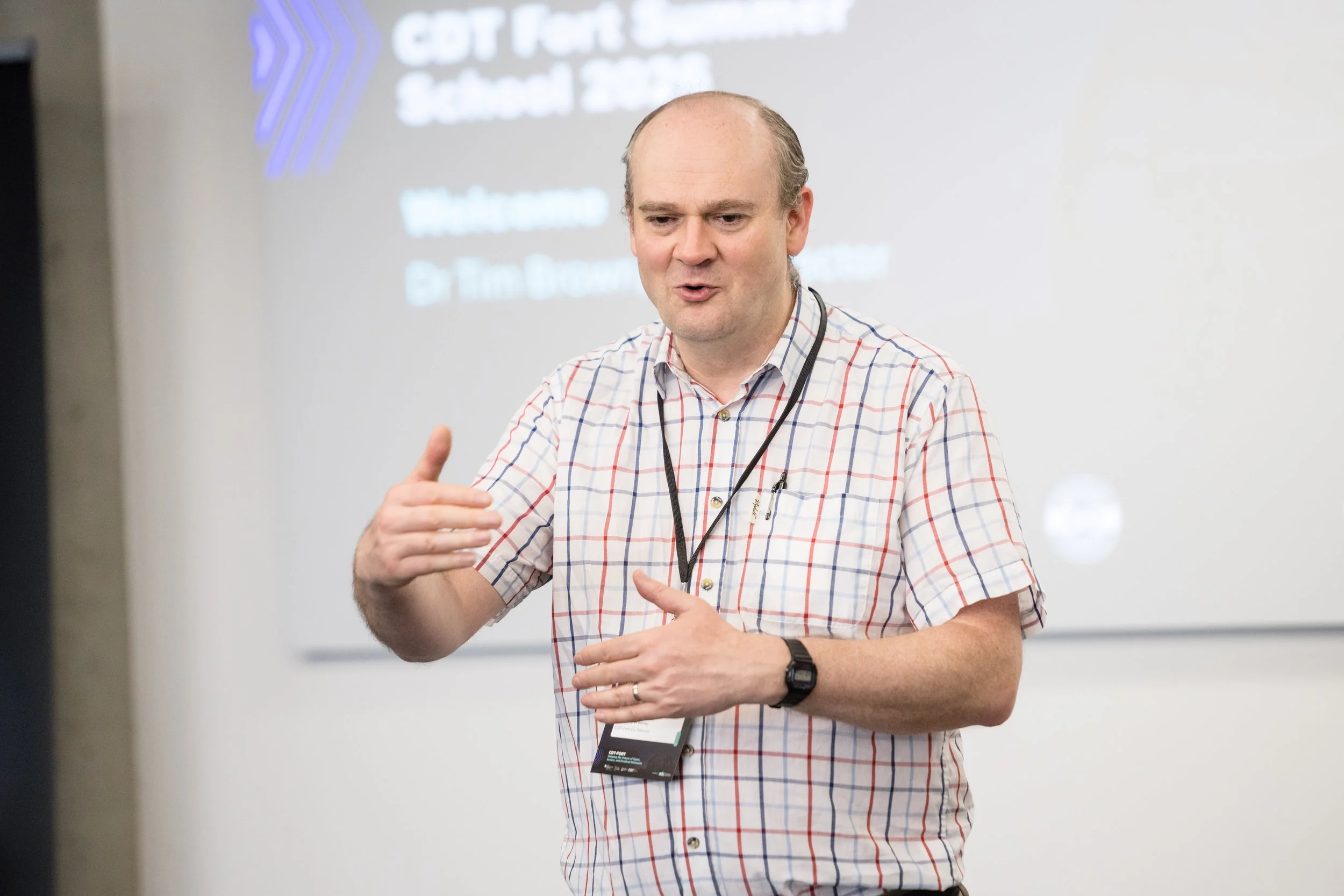
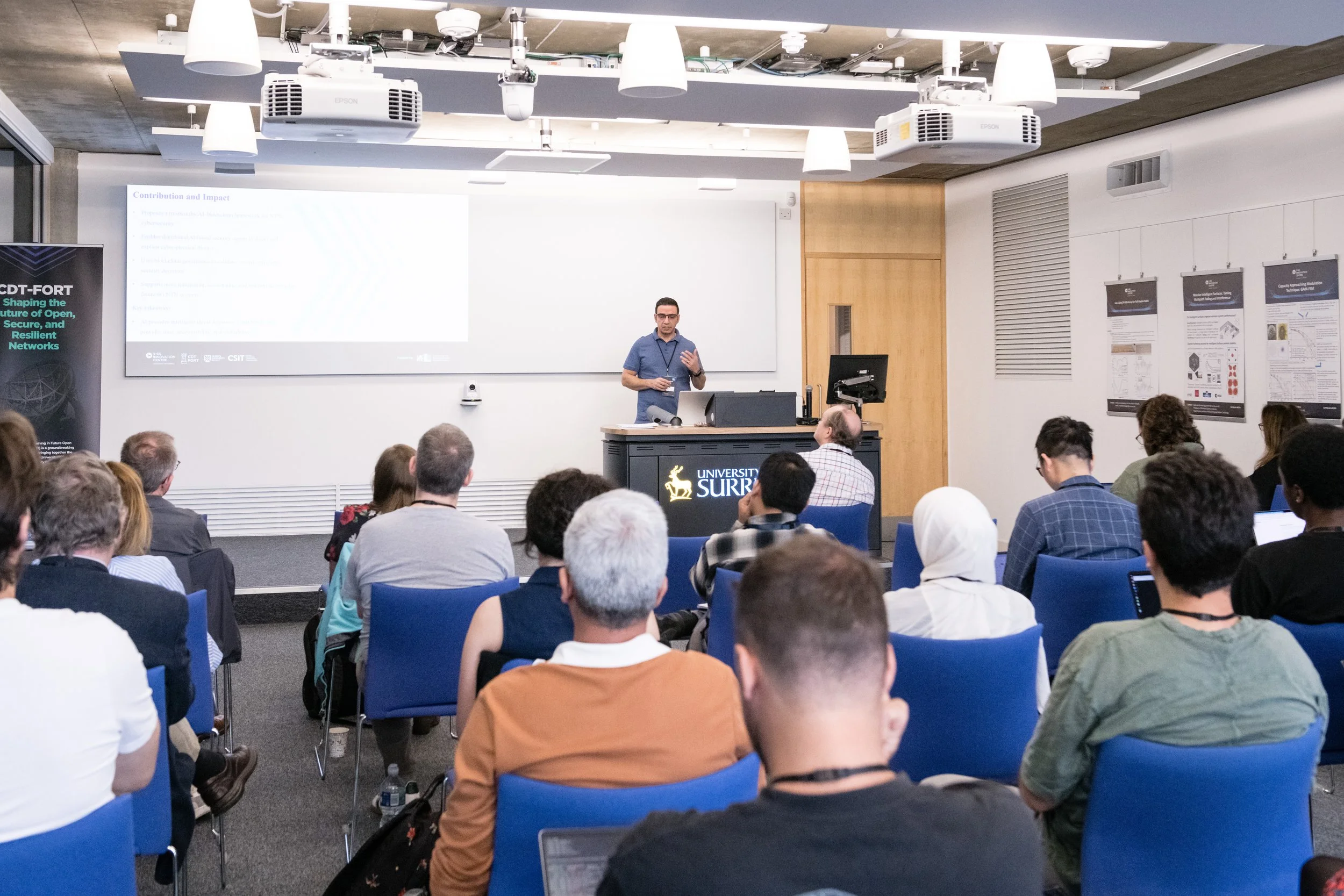
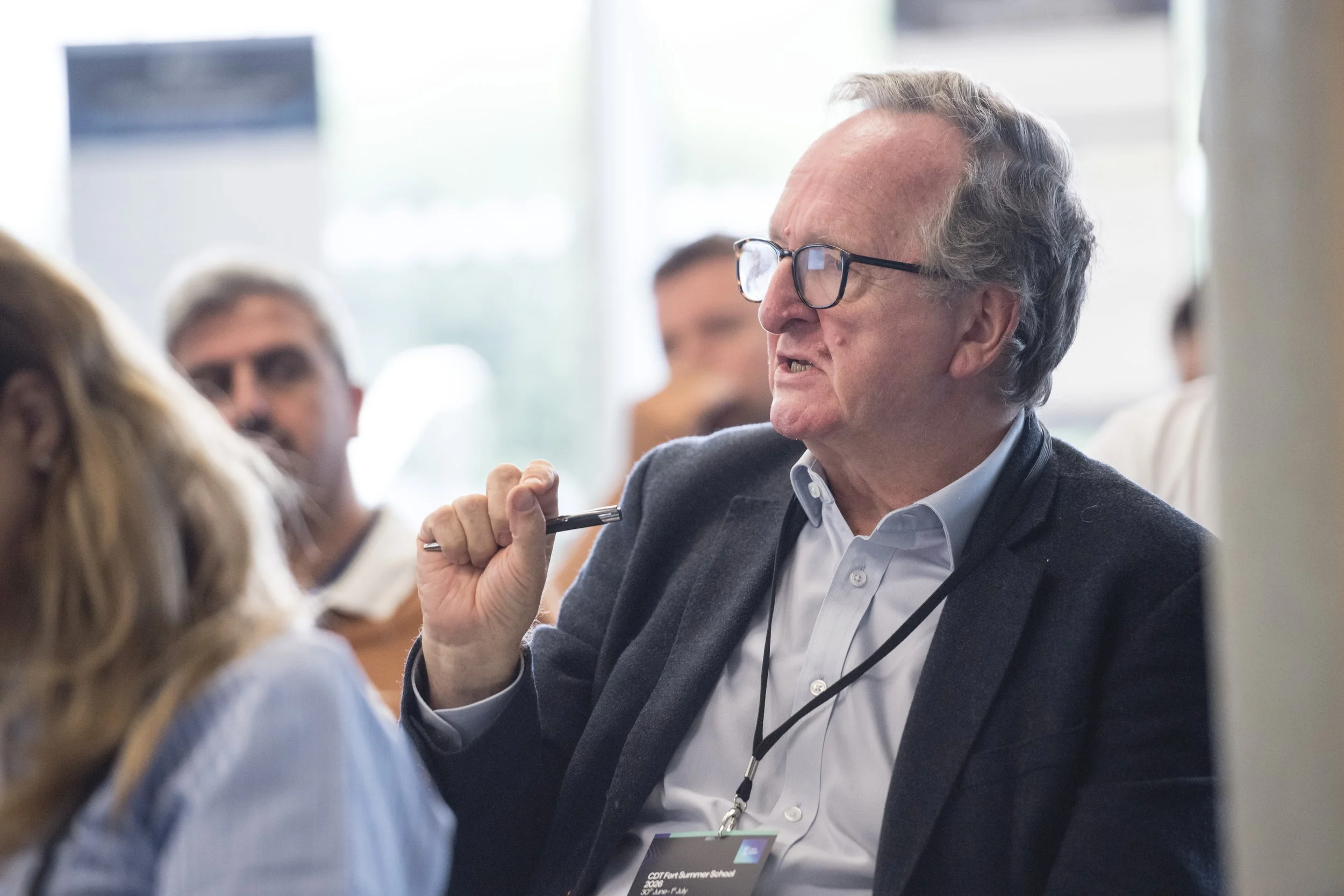
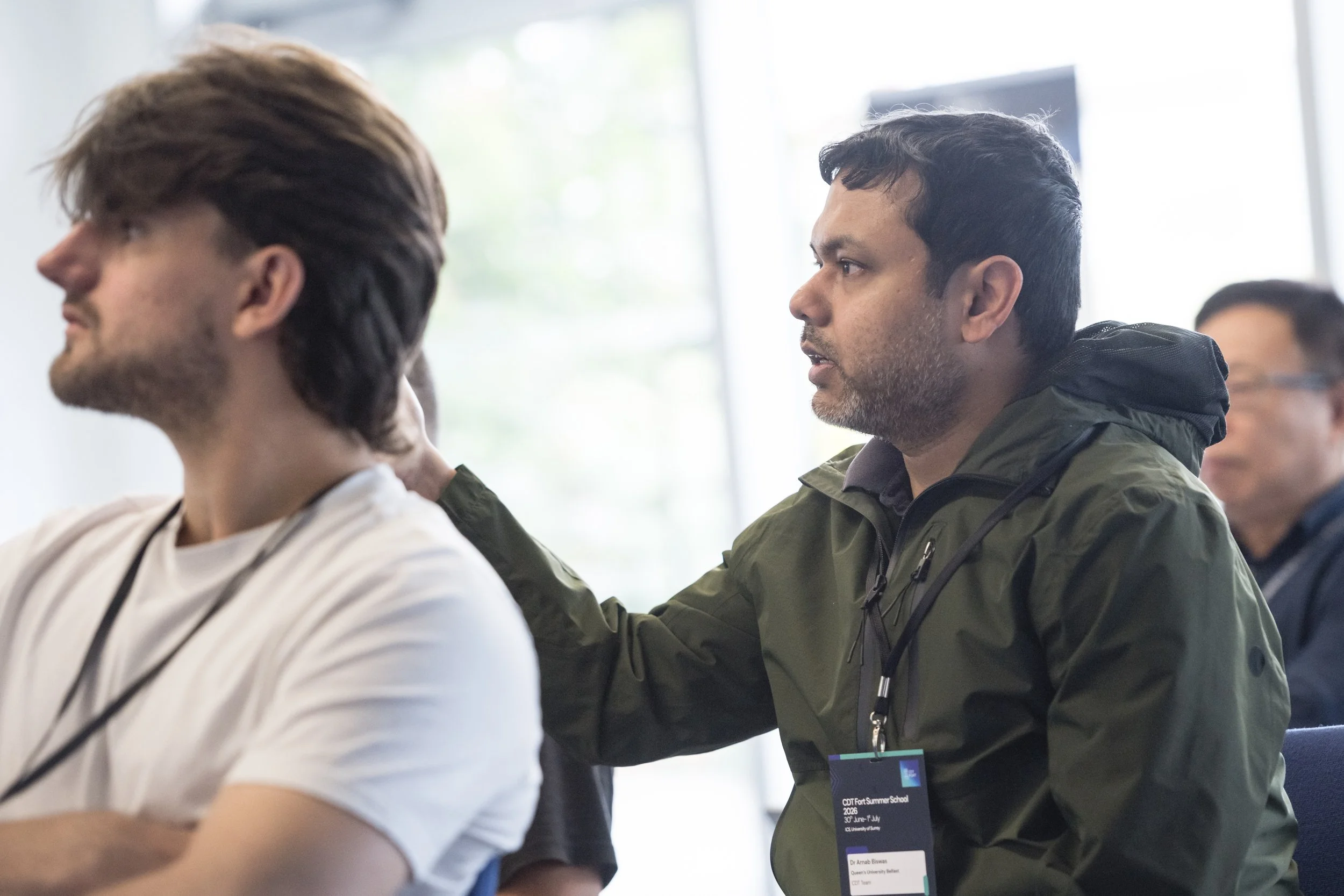
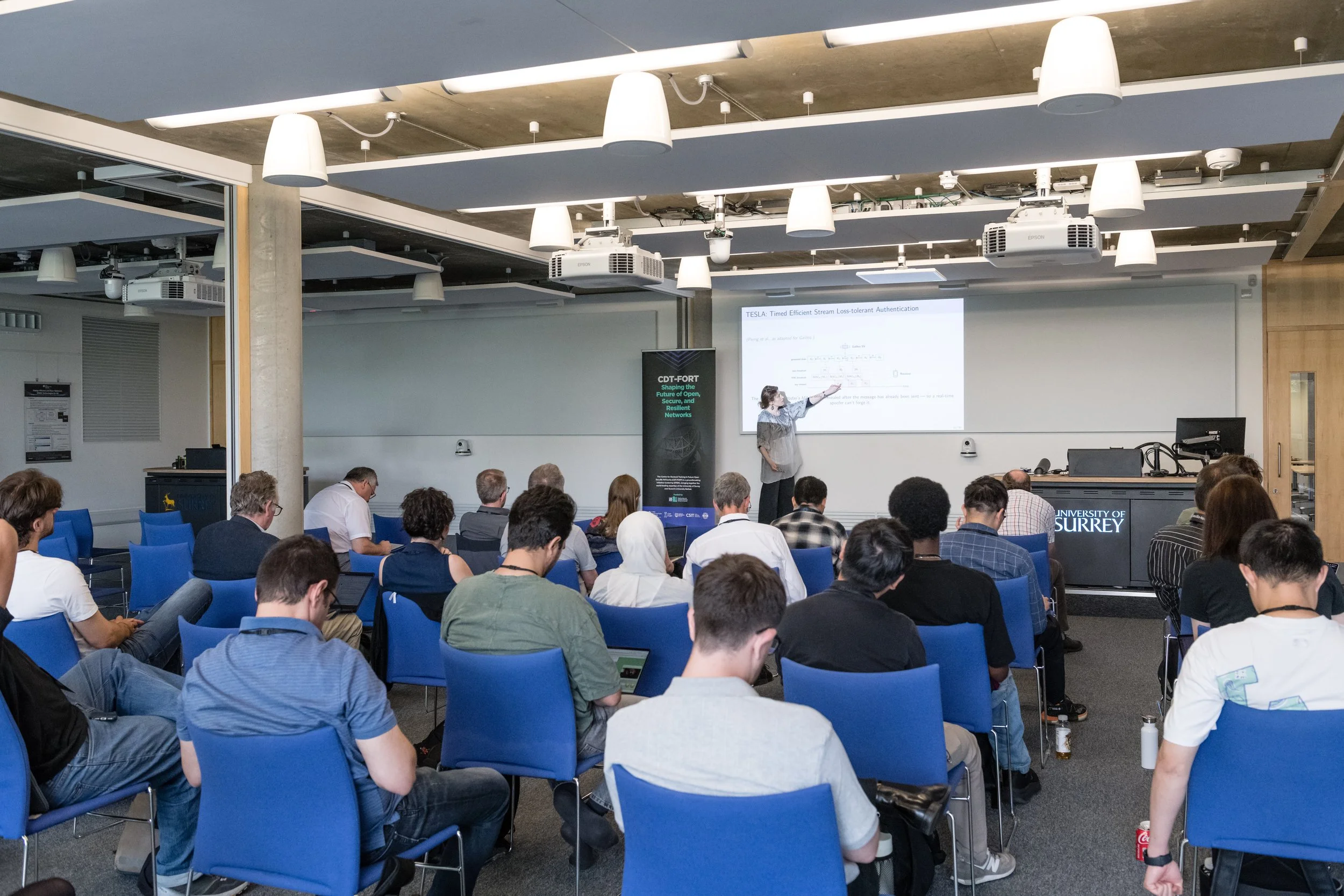
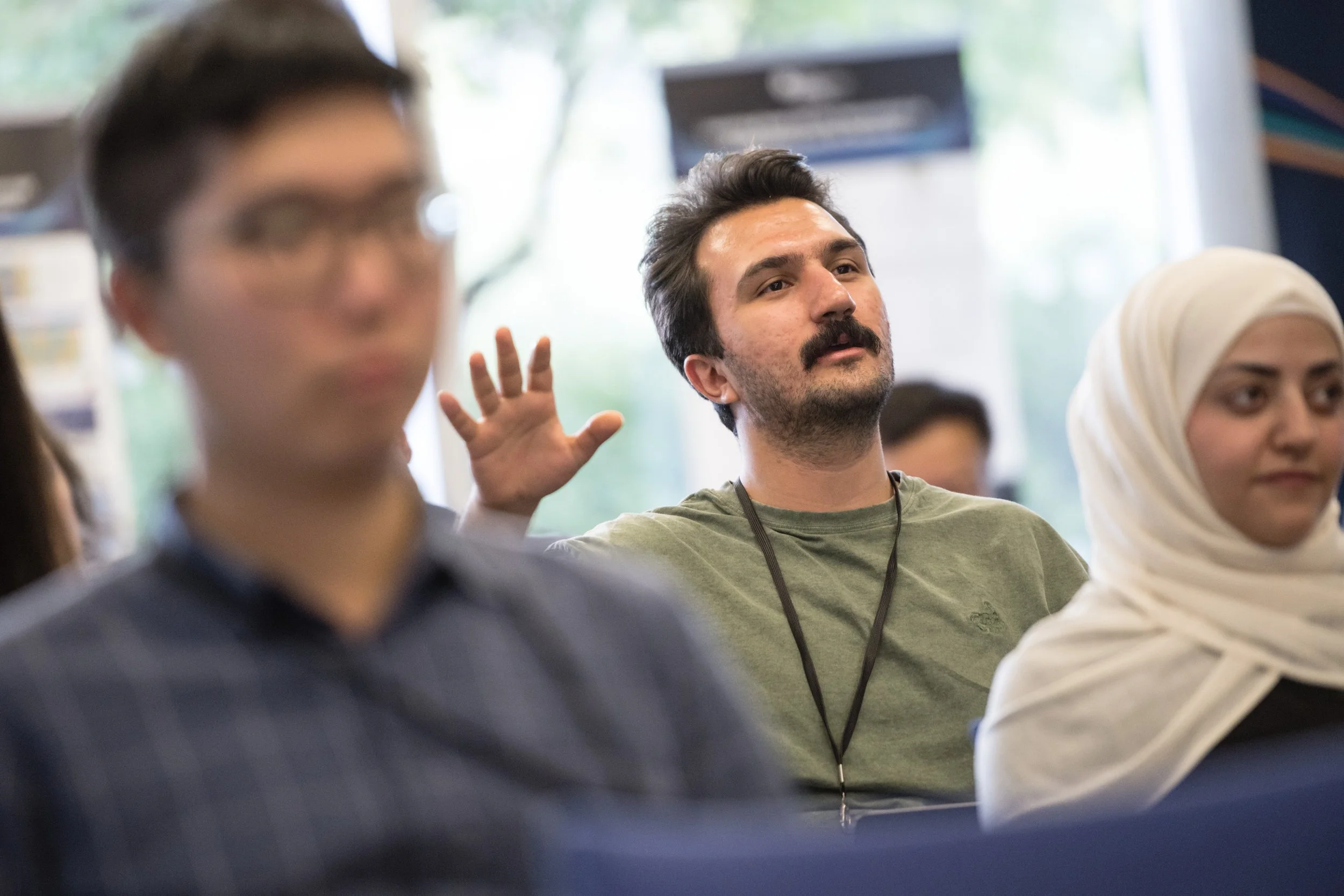
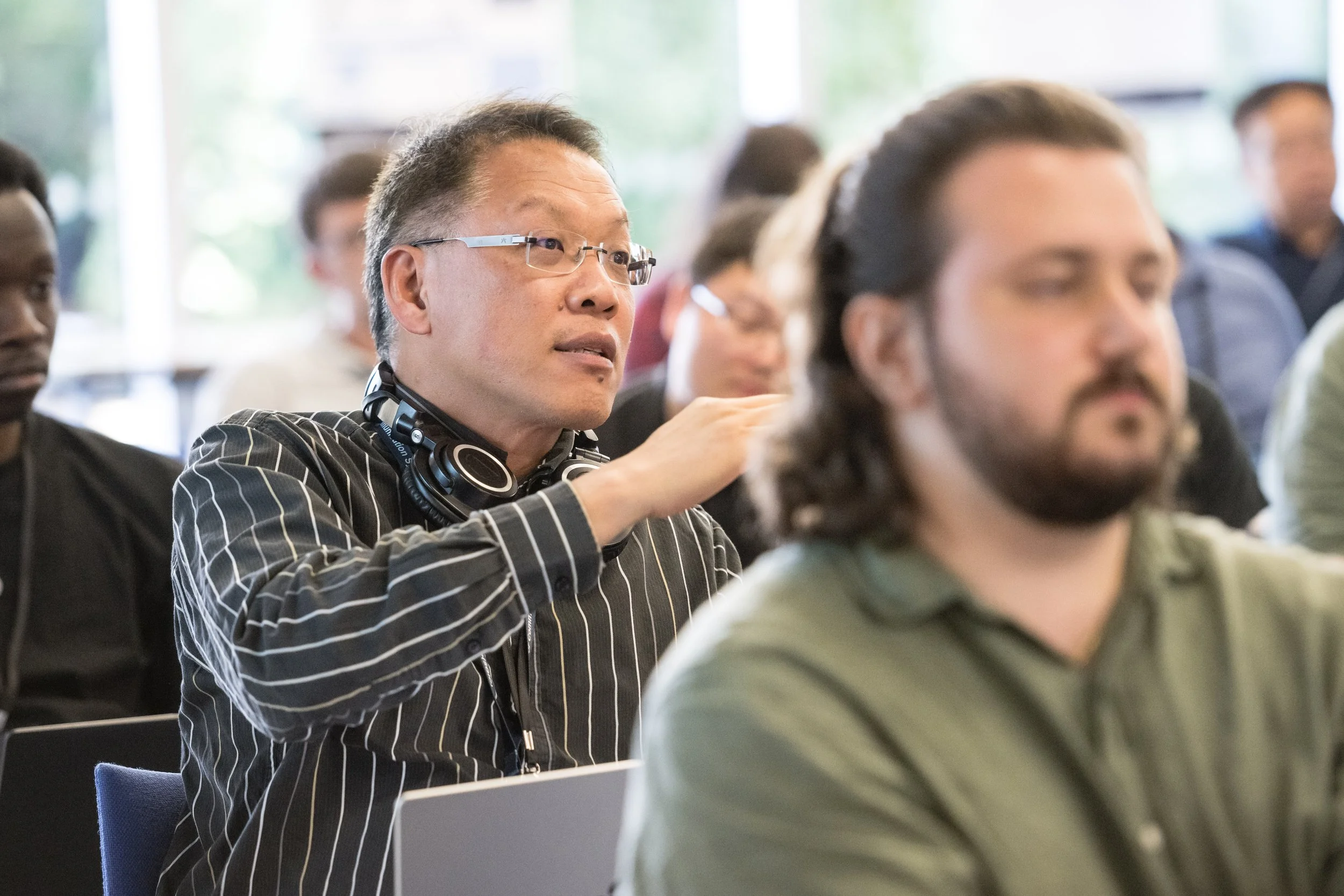
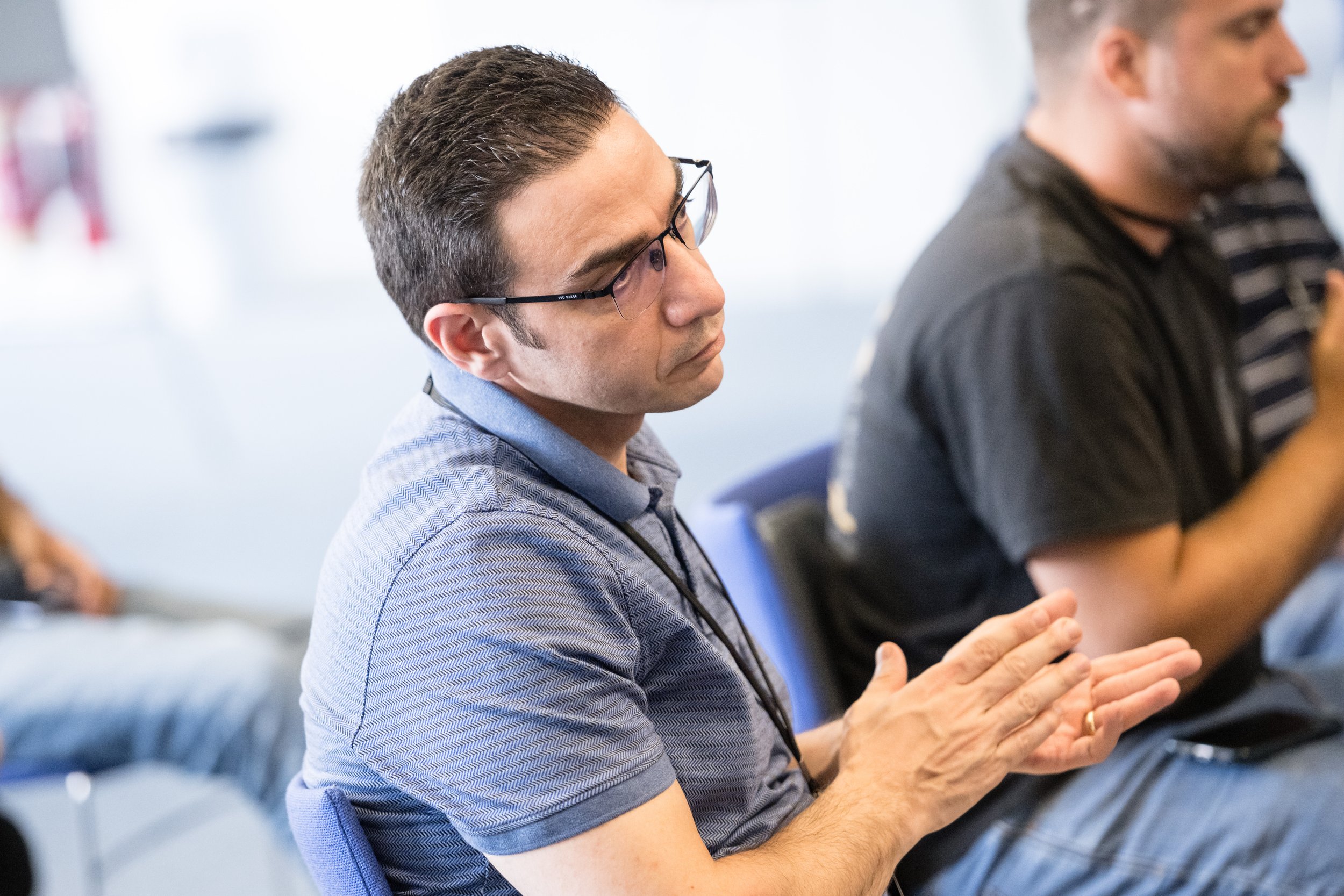
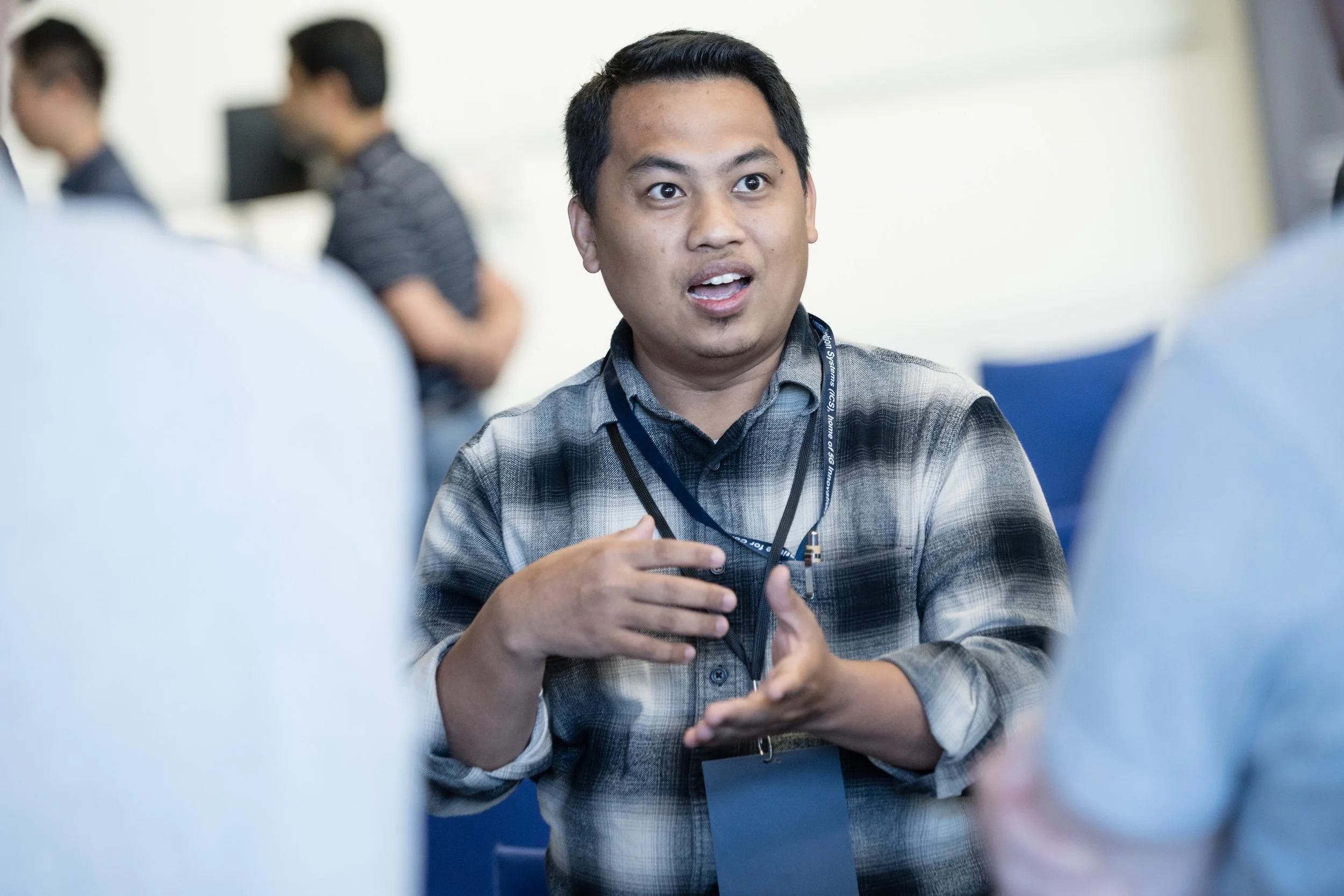
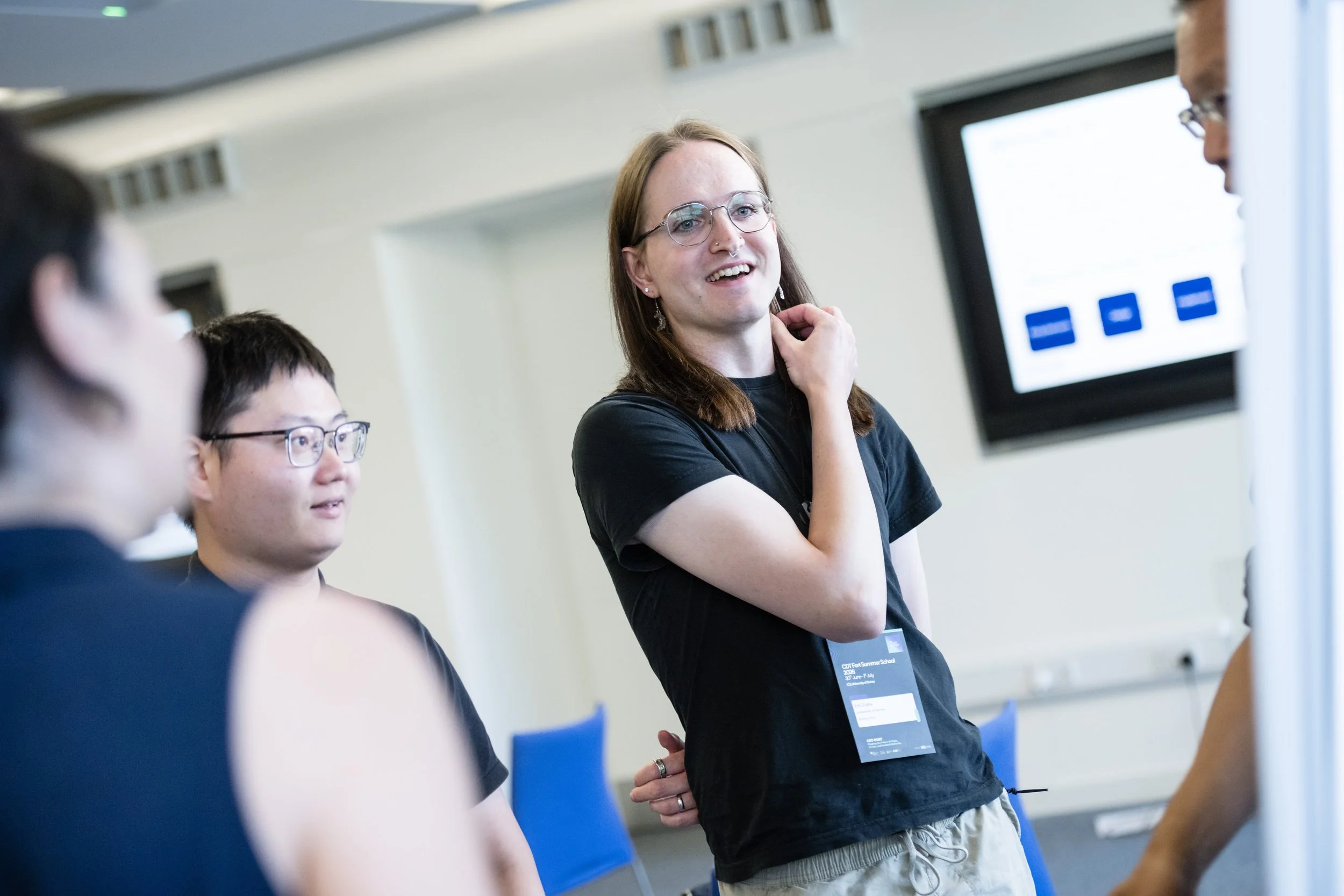
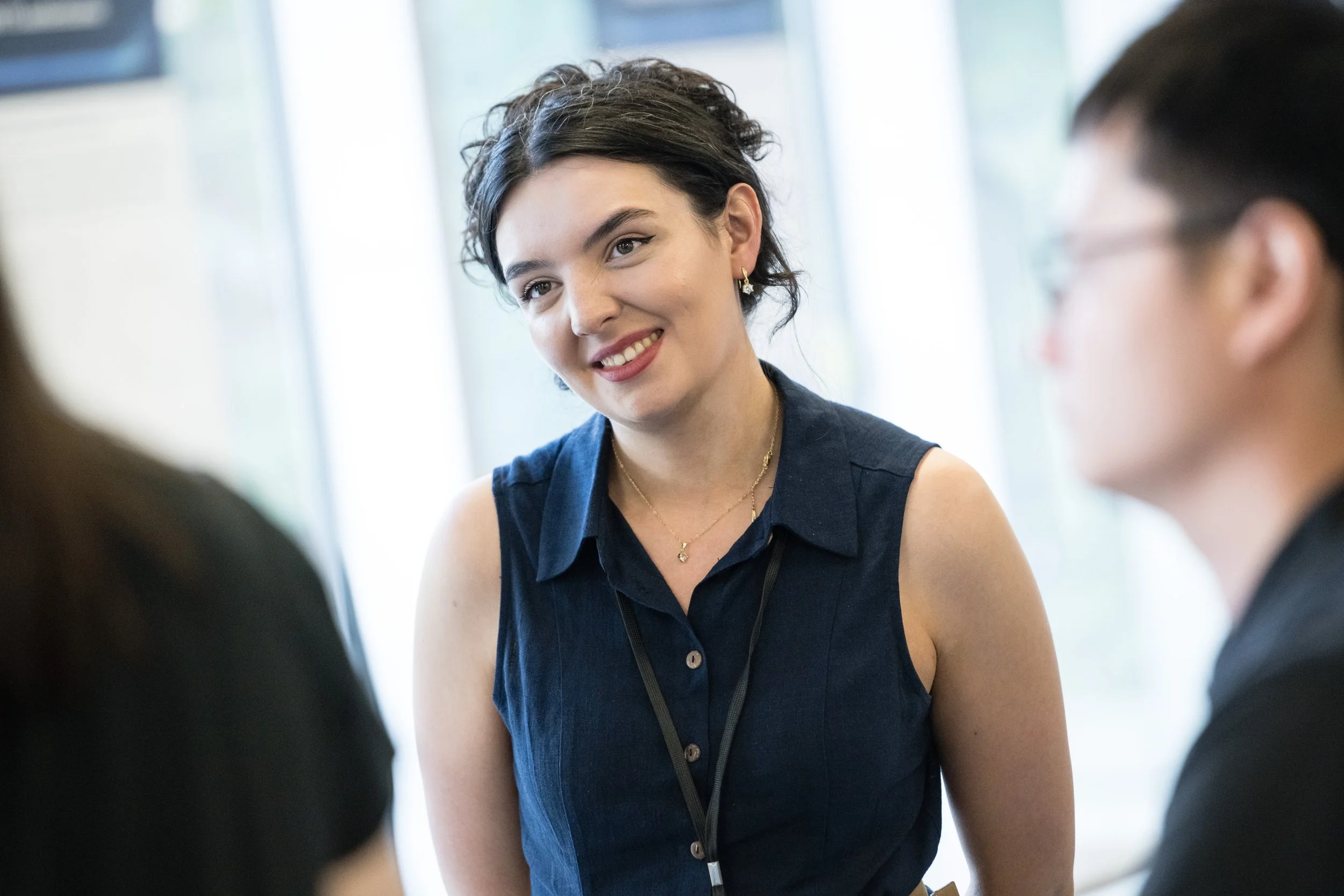
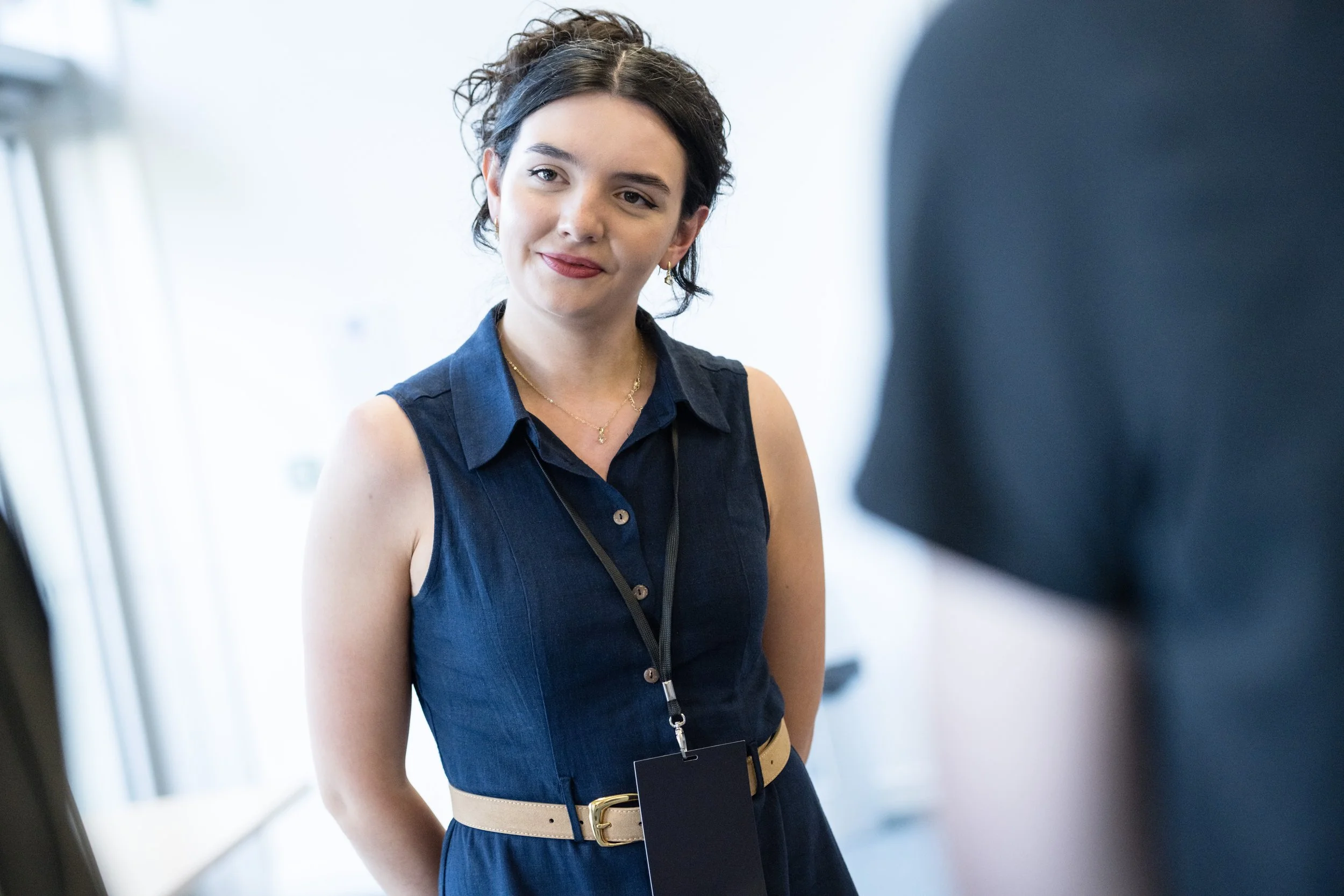
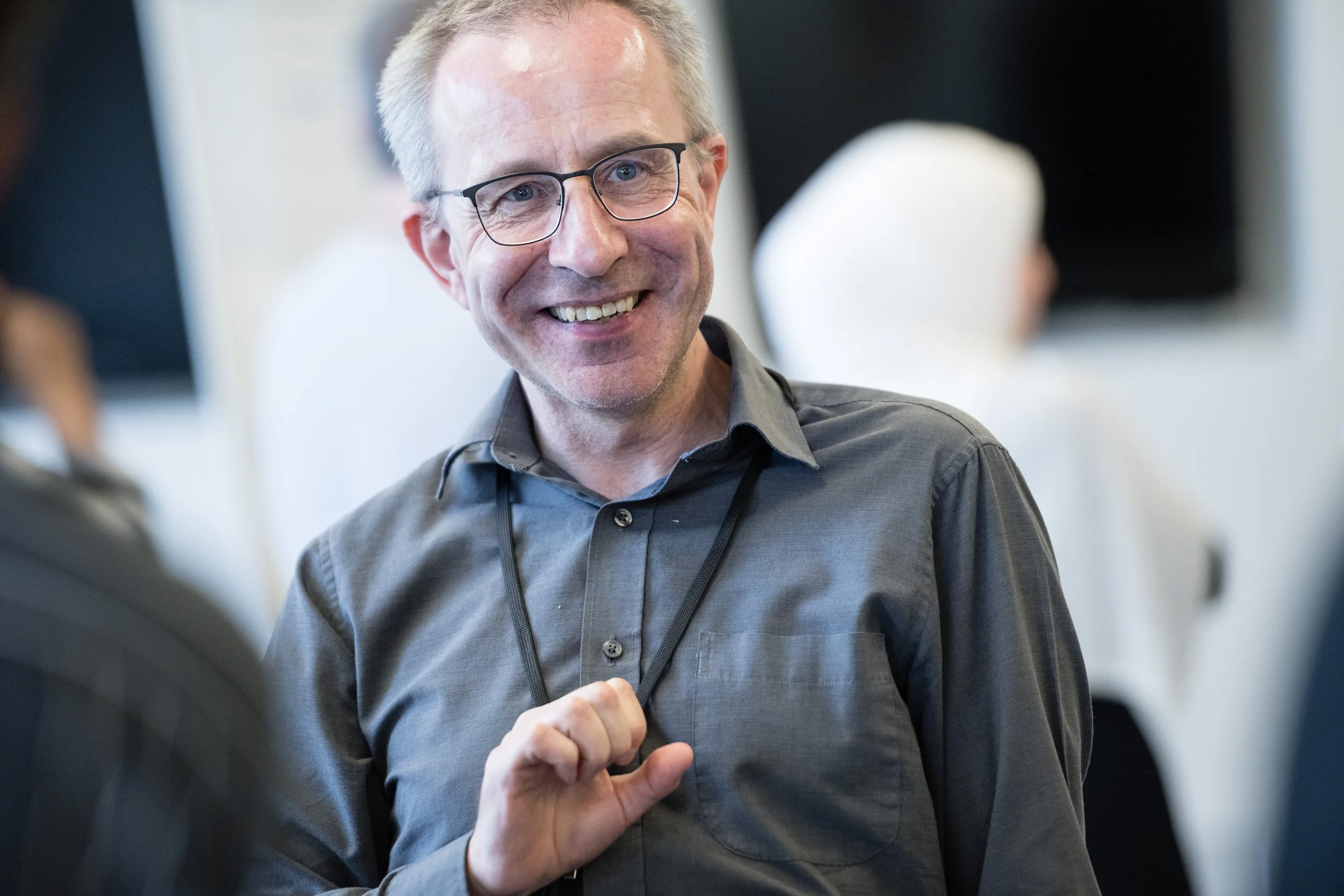
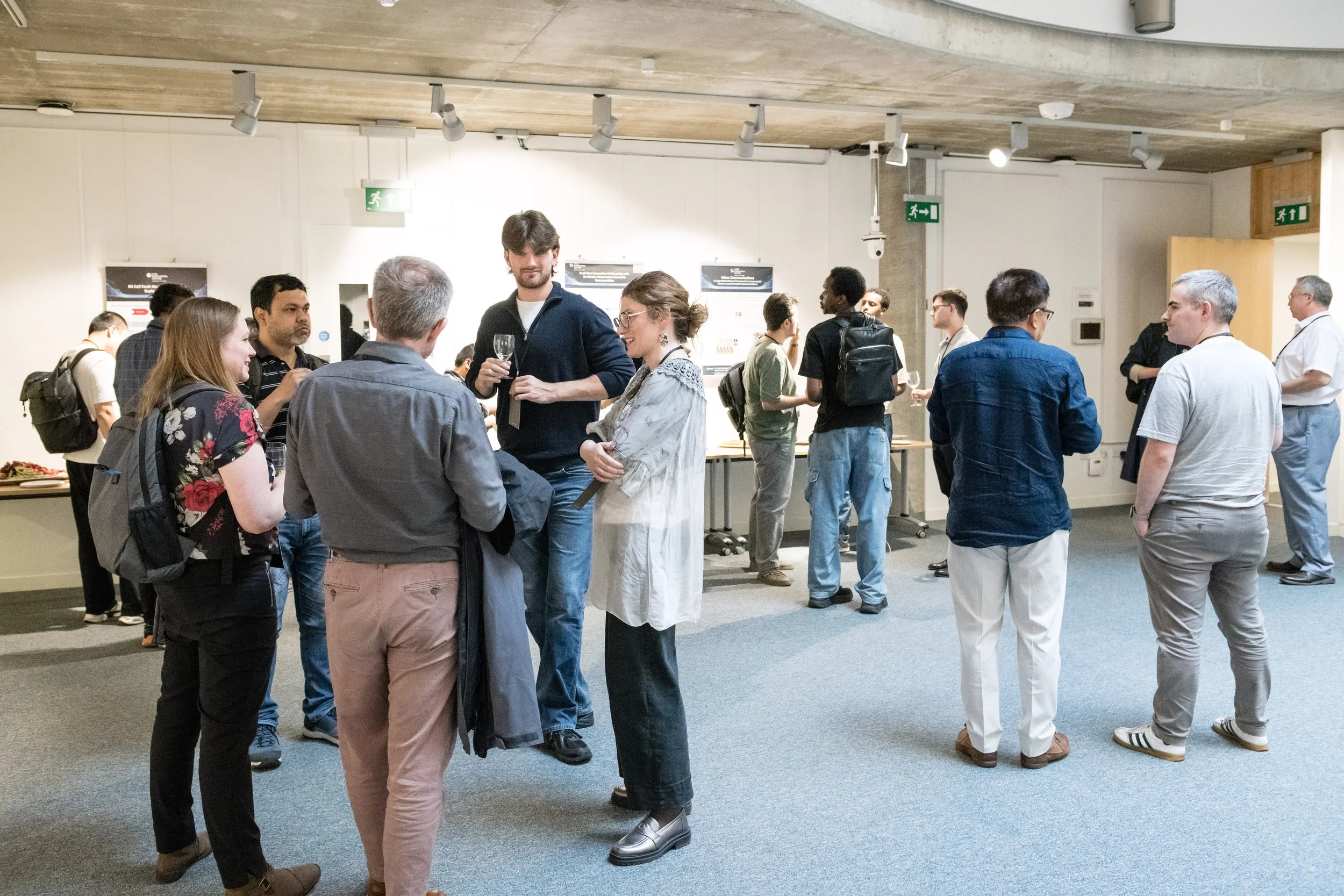
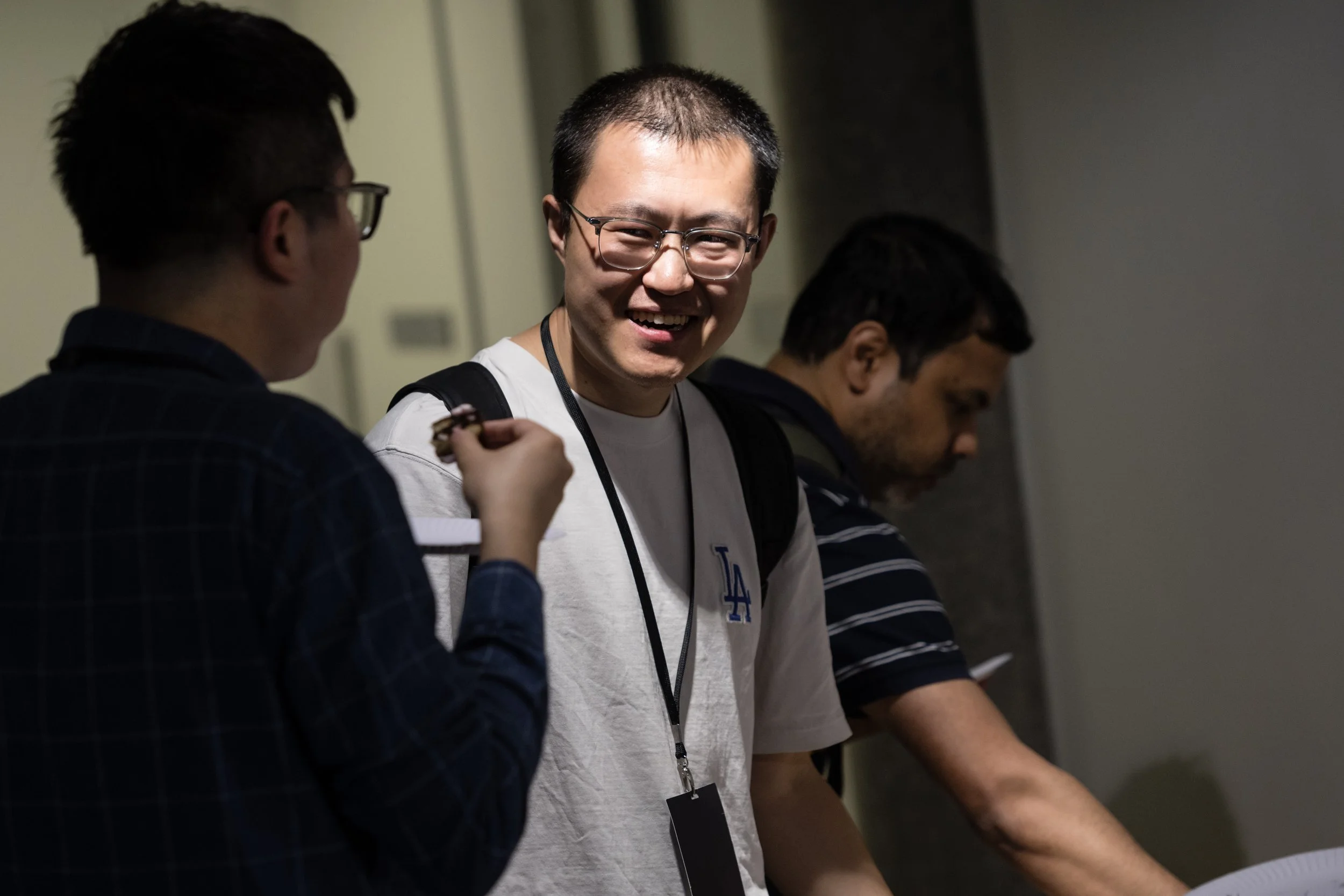
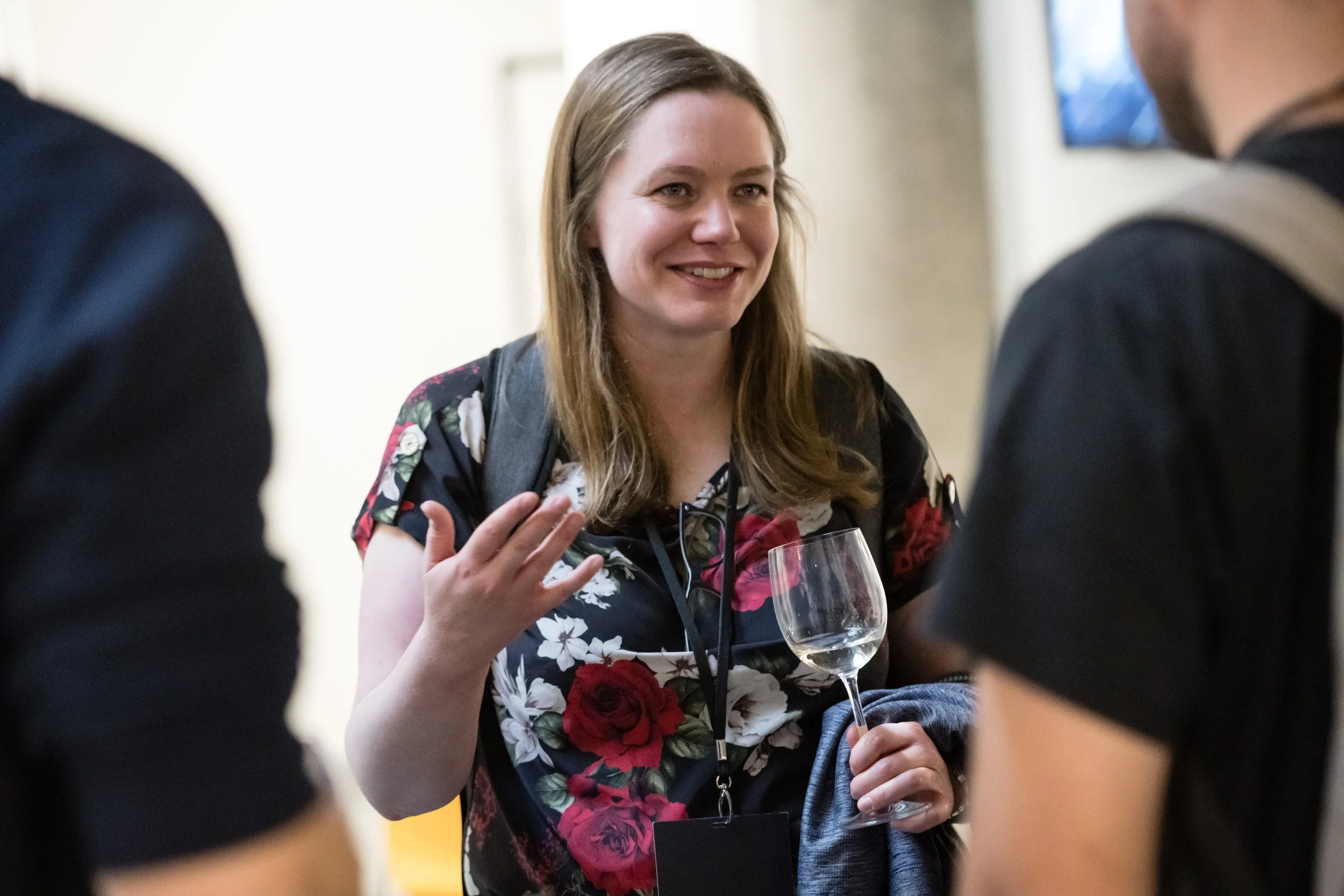
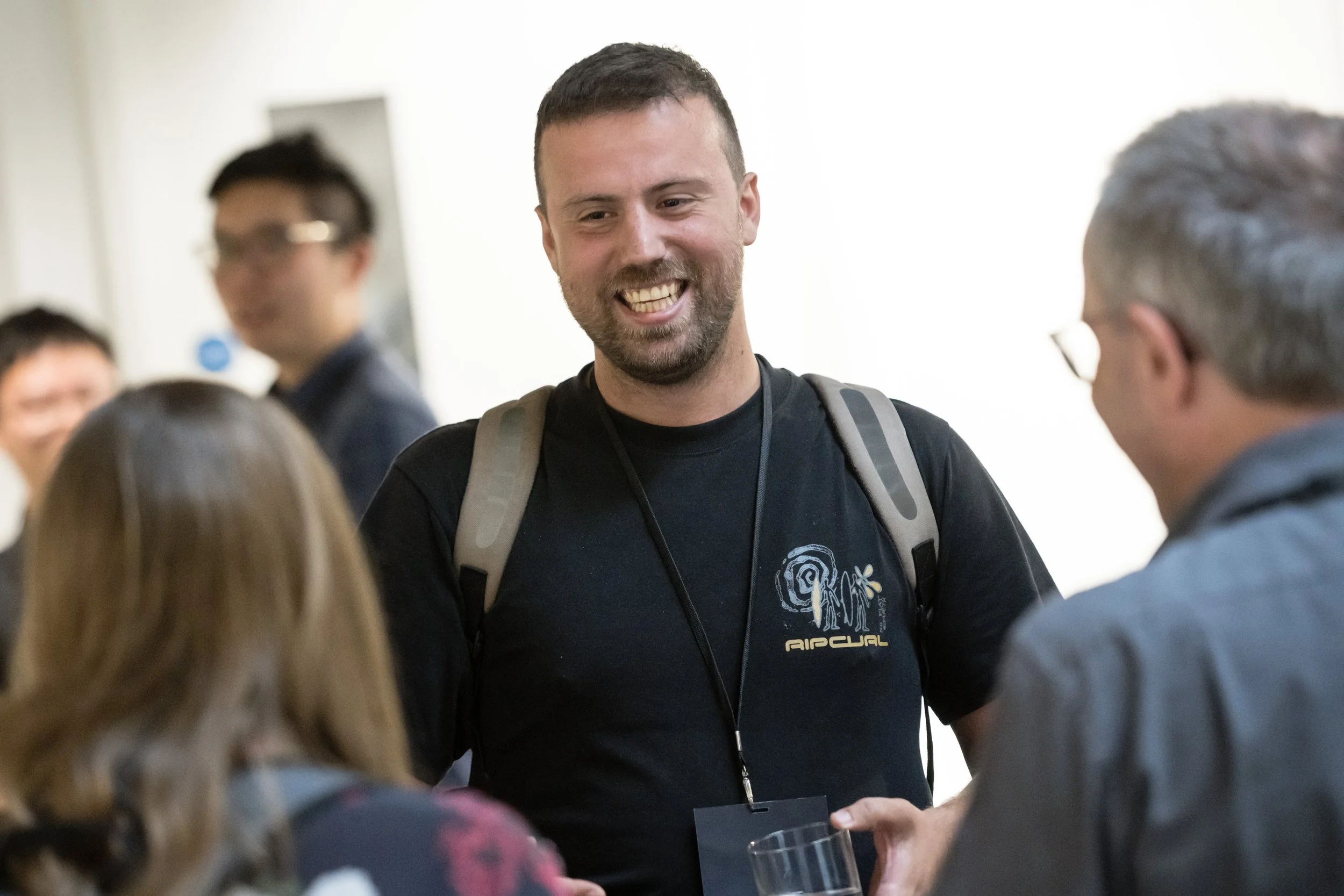
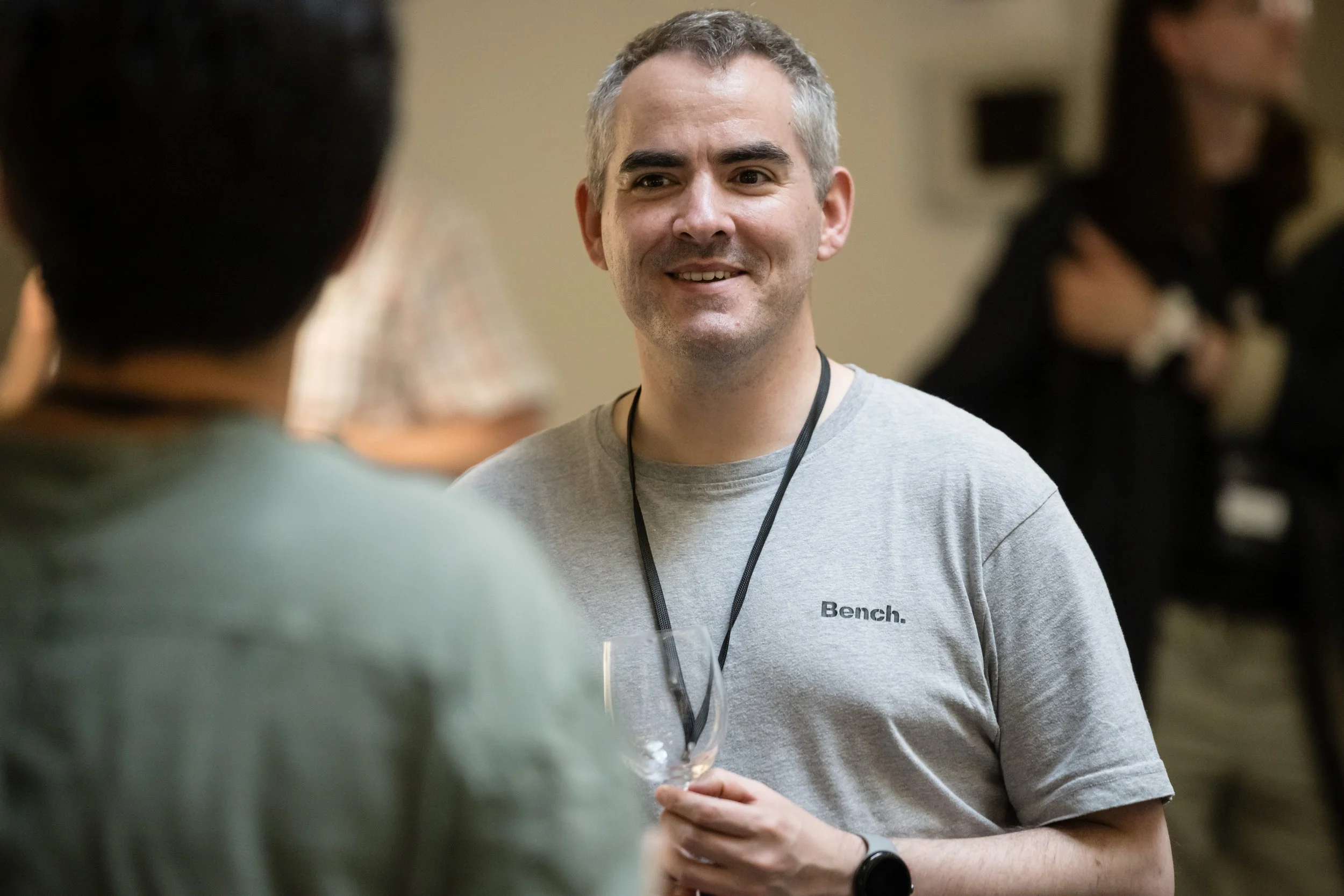
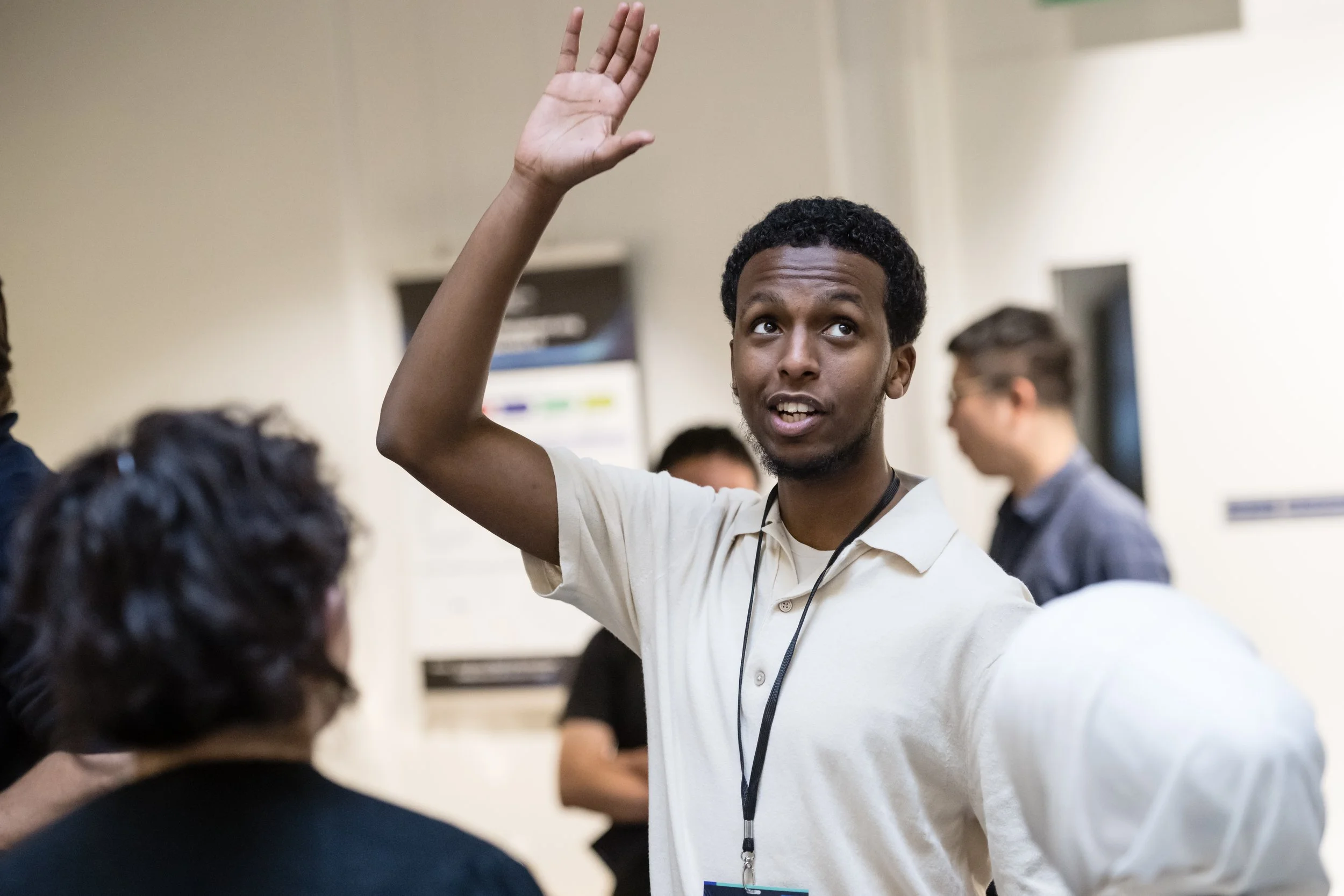
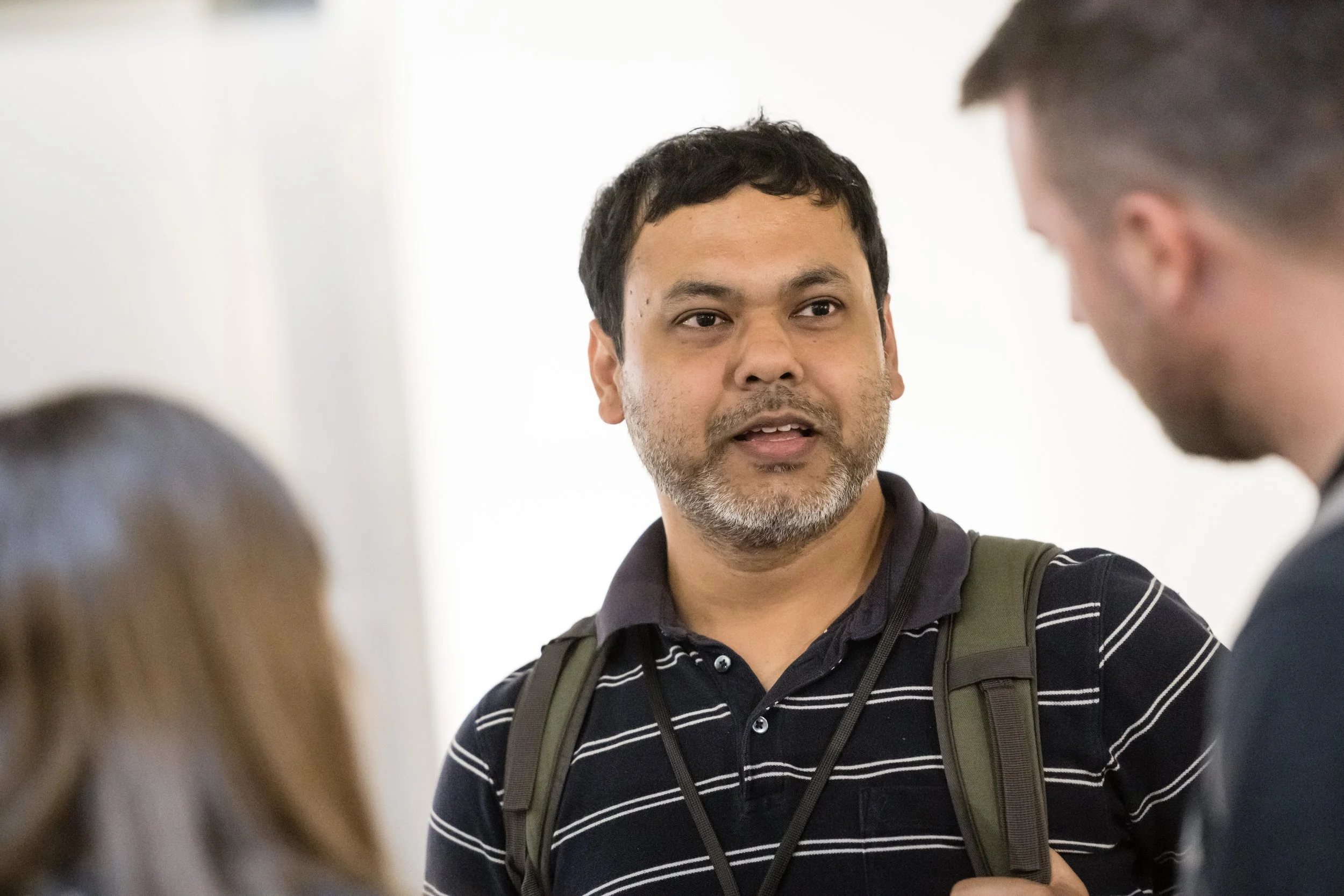
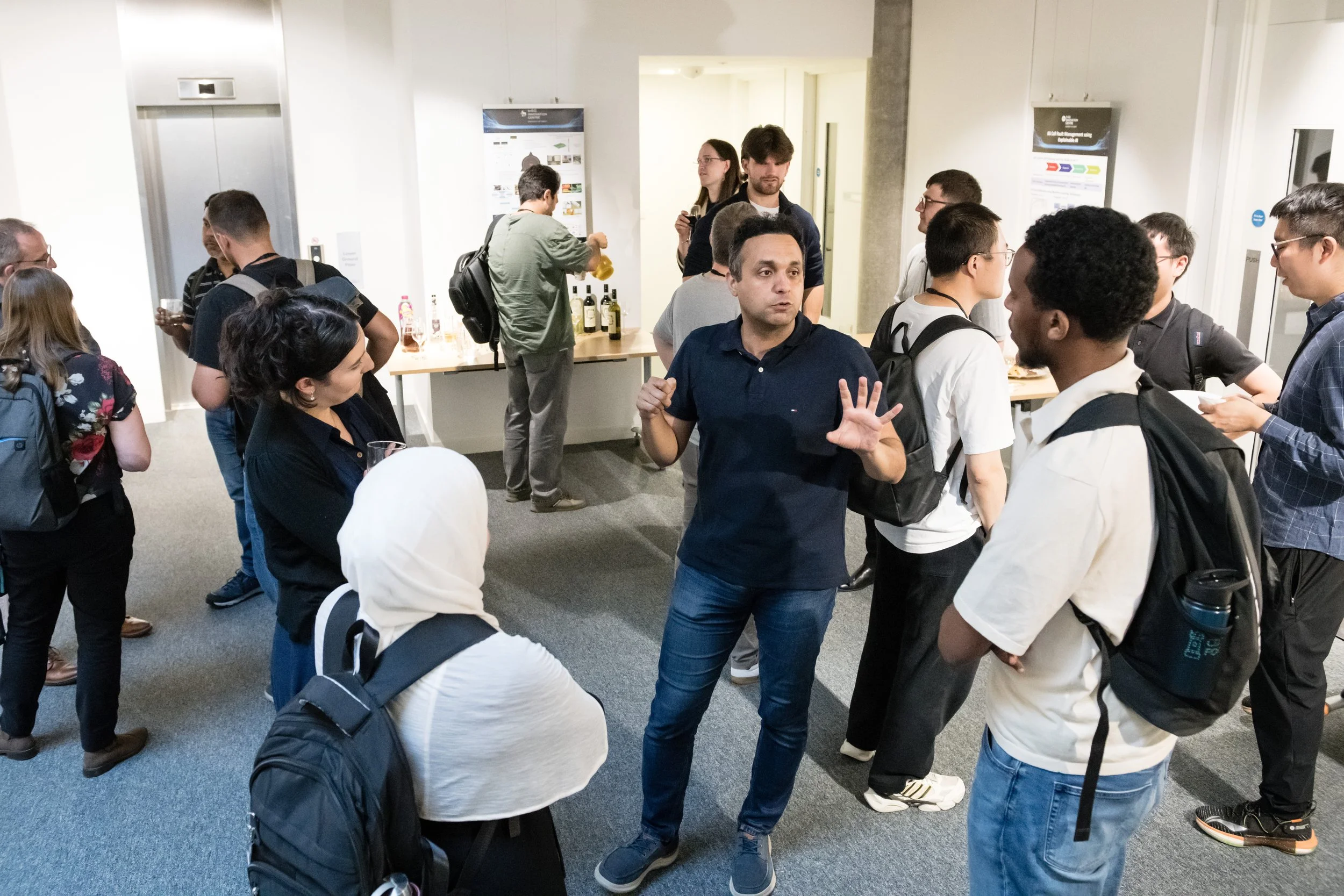
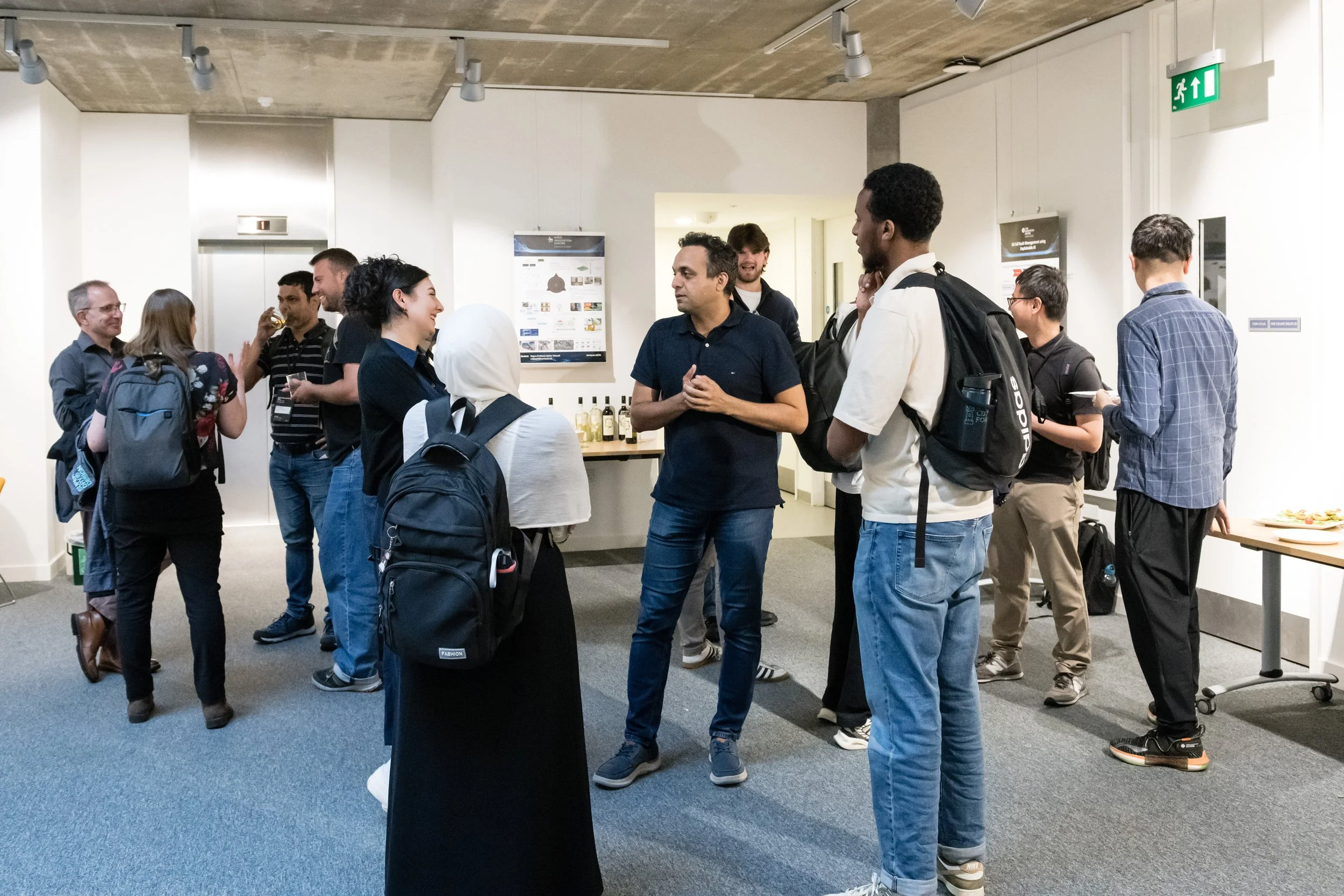
The CDT FORT community came together for its inaugural Summer School from 30 June to 2 July 2026 at the University of Surrey, bringing together researchers, academics and industry leaders for three days of technical learning, professional development and cohort-building. Importantly, this was the first occasion that Cohort 1 and Cohort 2 students met in person, creating valuable opportunities for networking, collaboration and peer learning across the CDT.
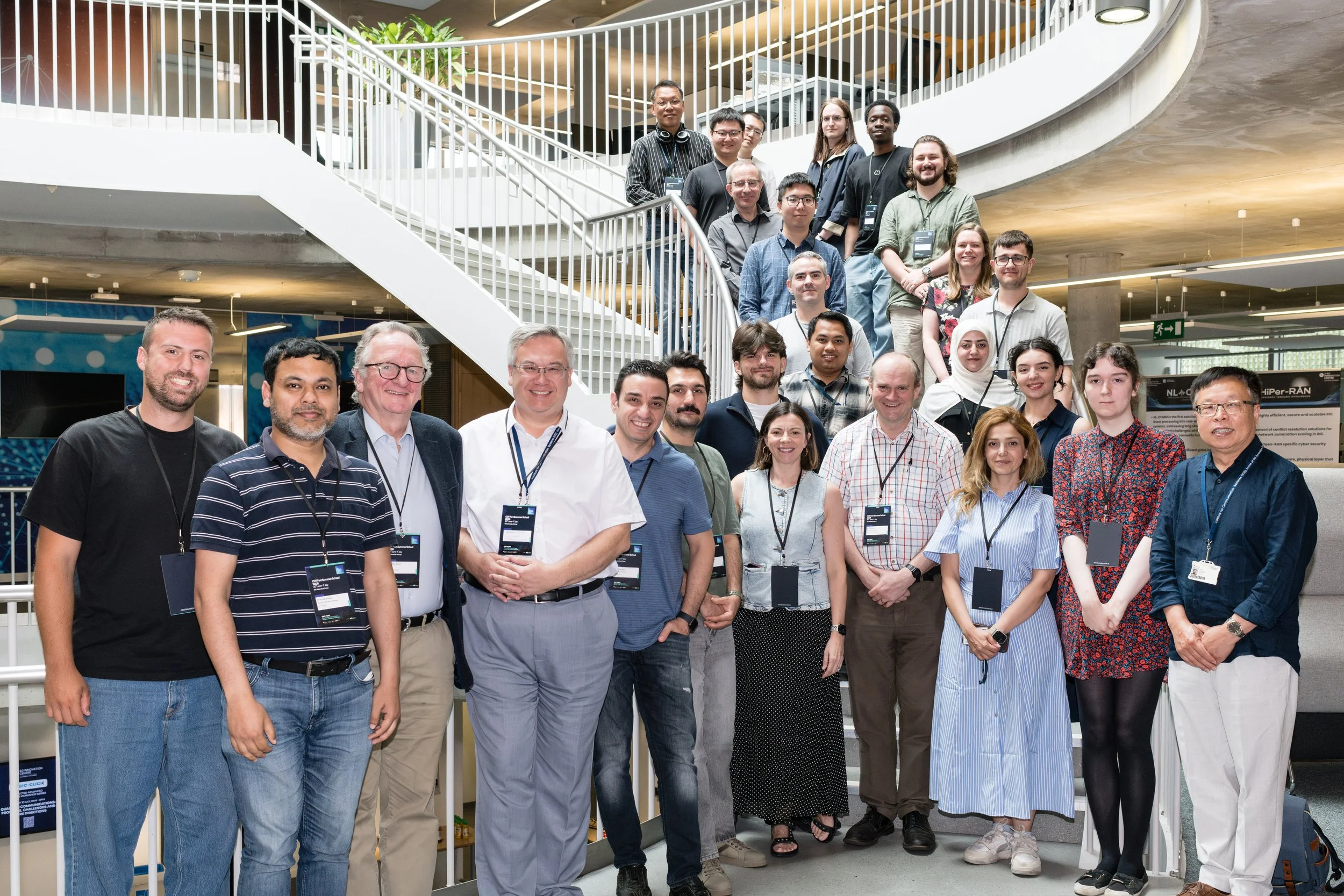
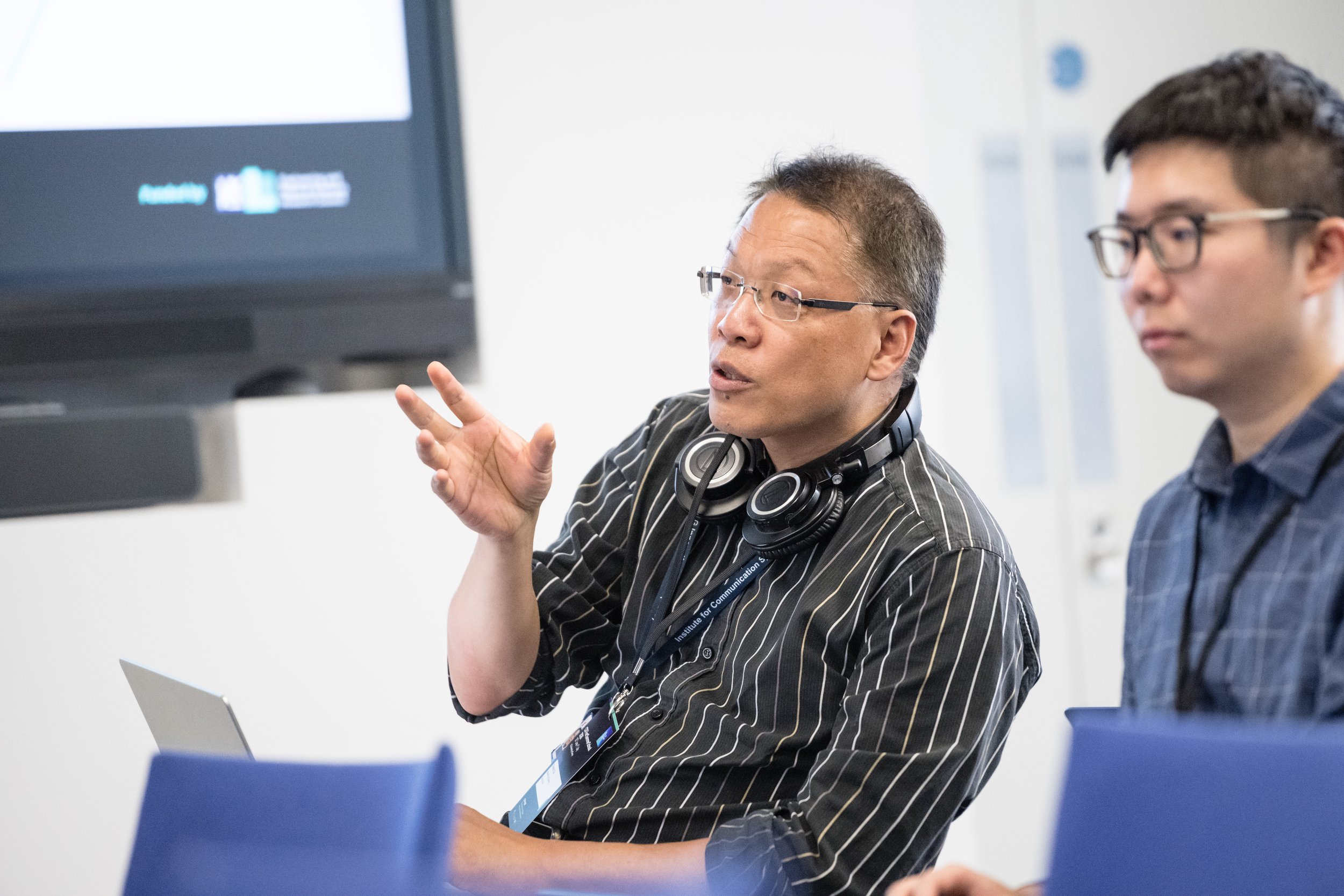
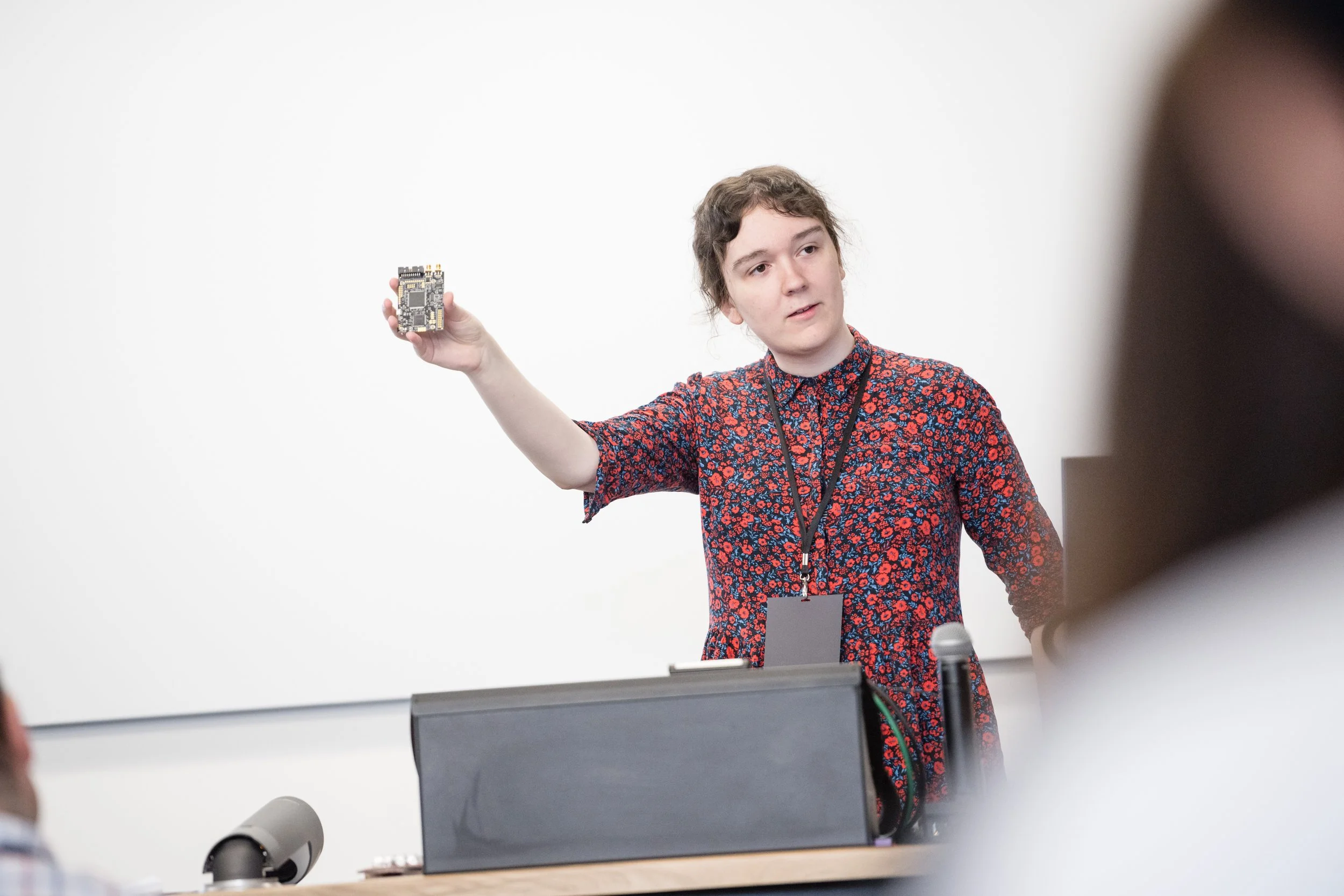
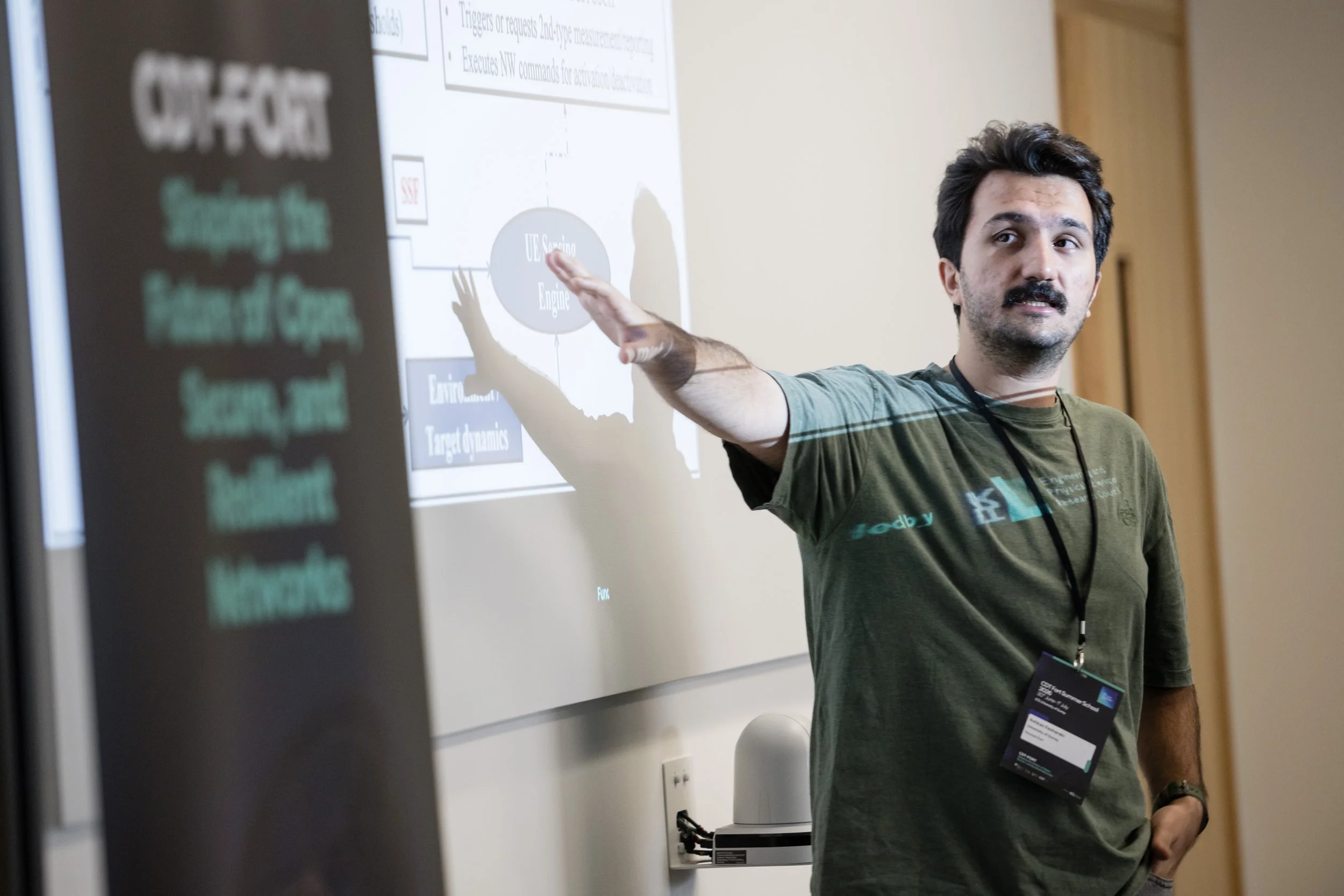
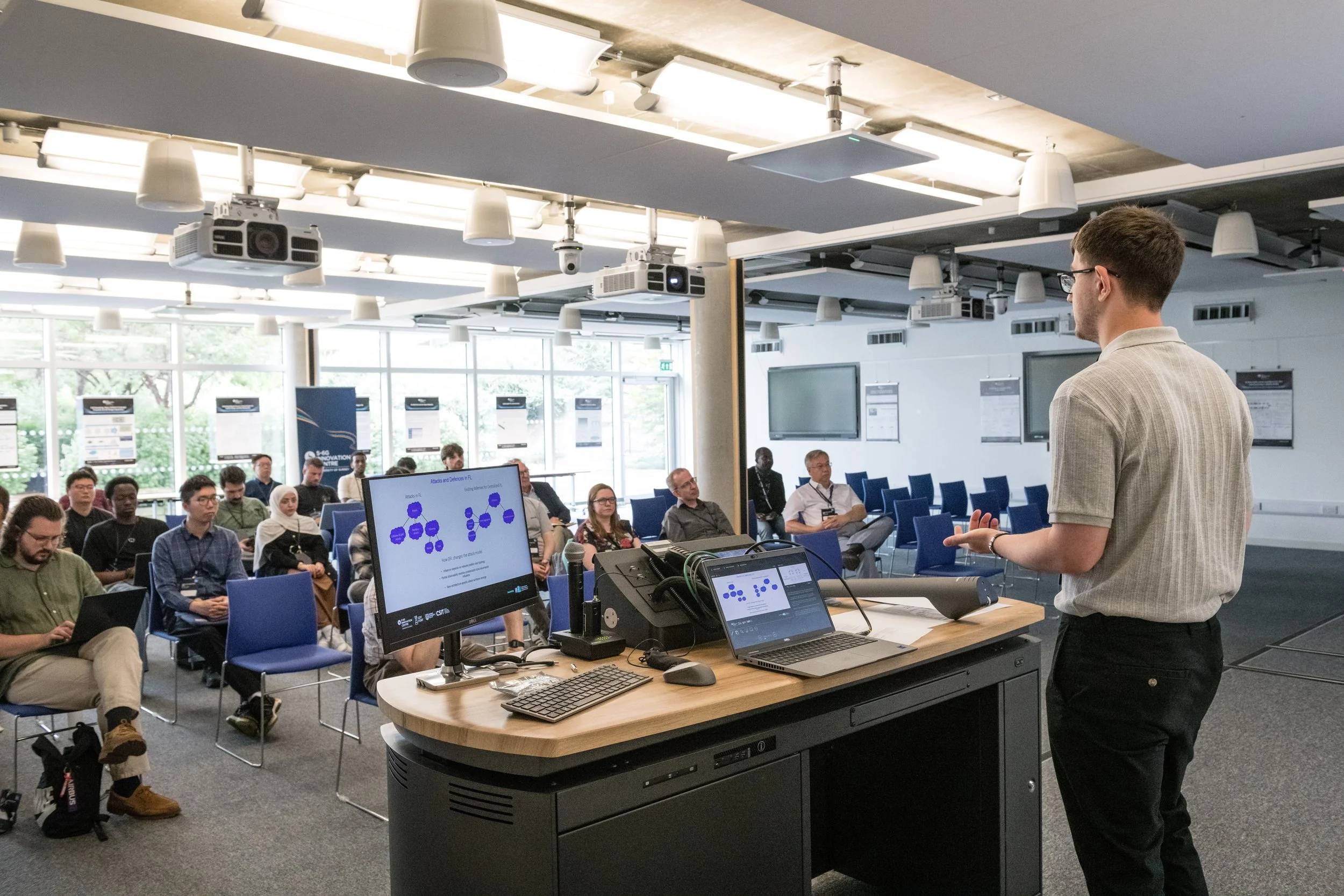
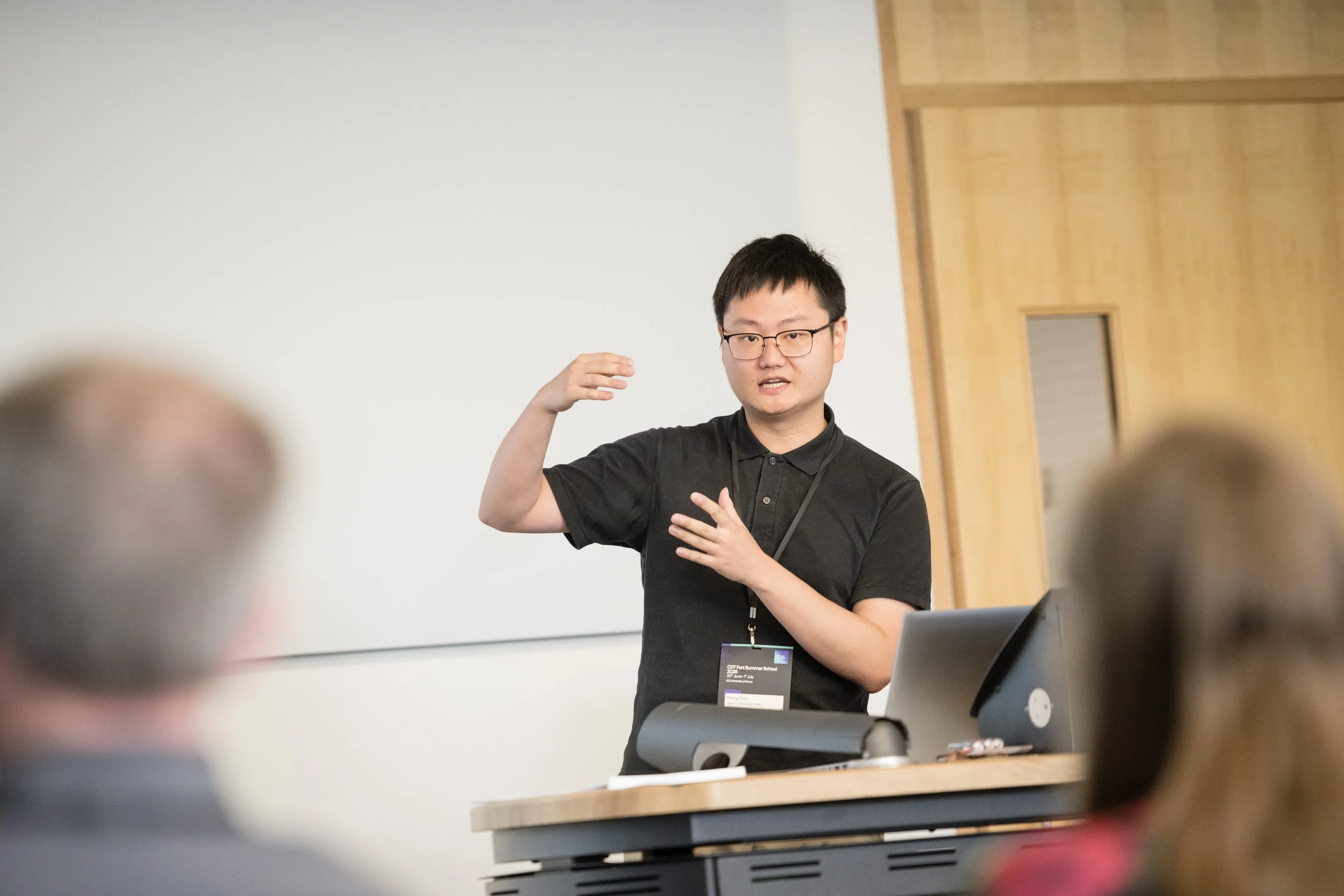
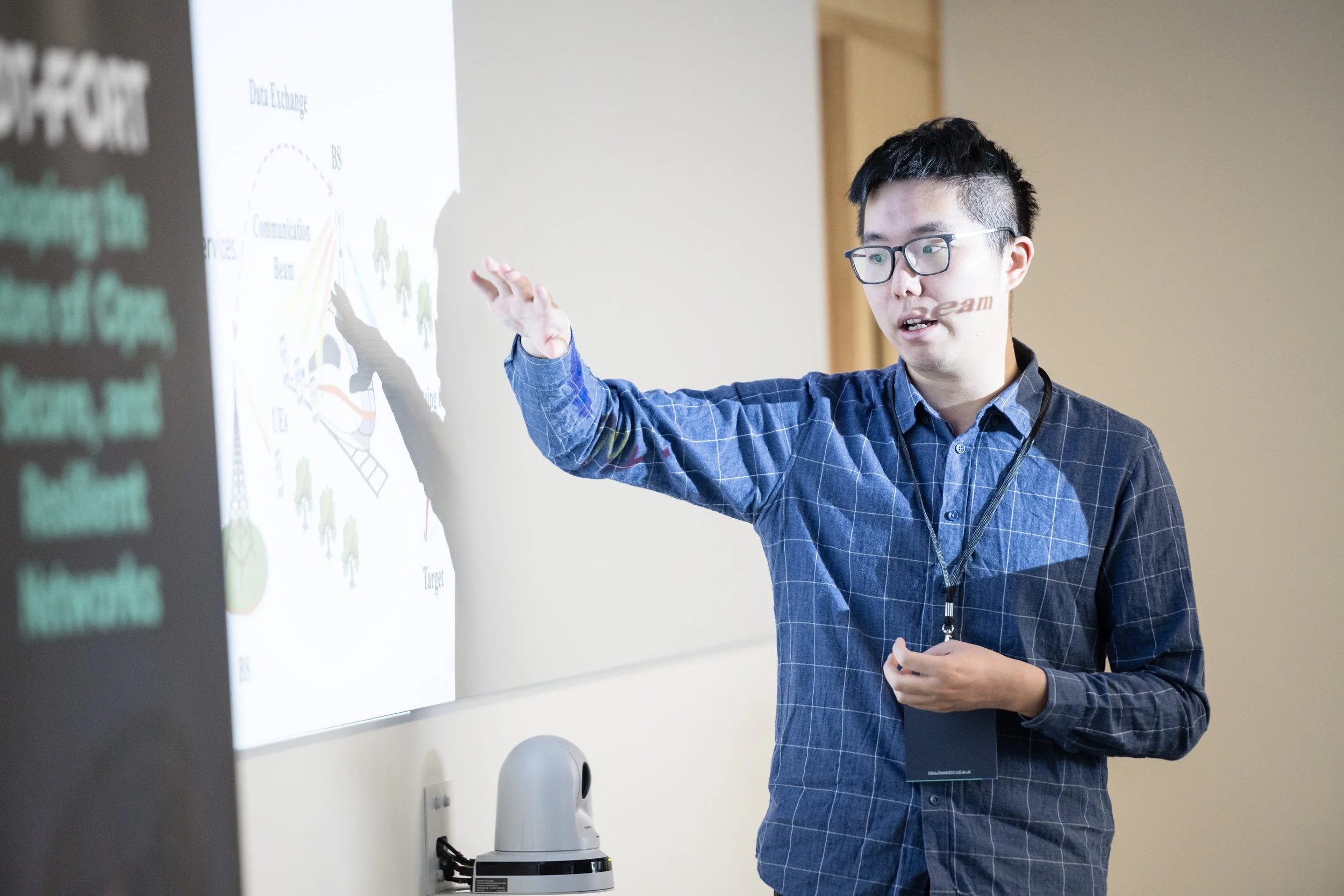
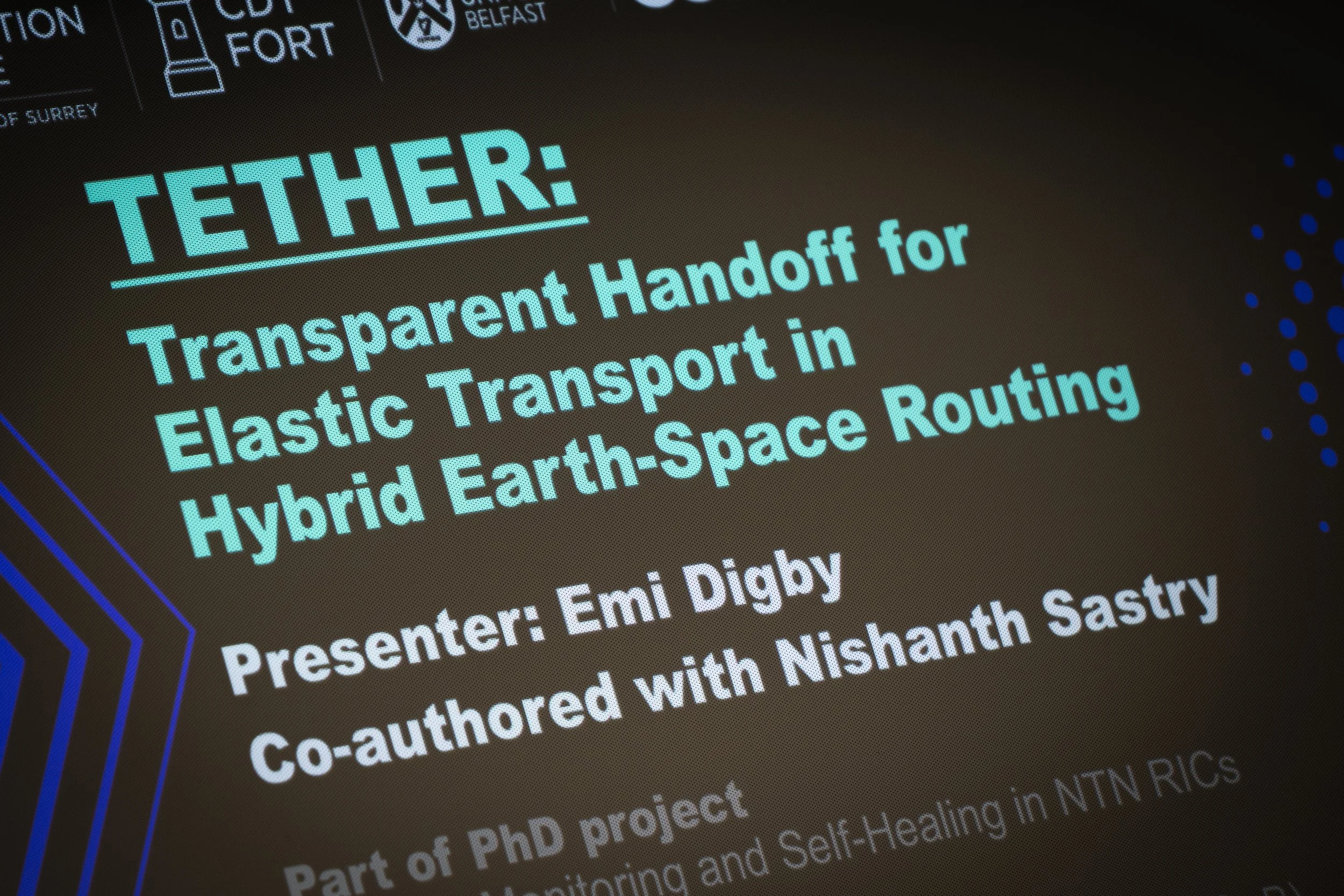
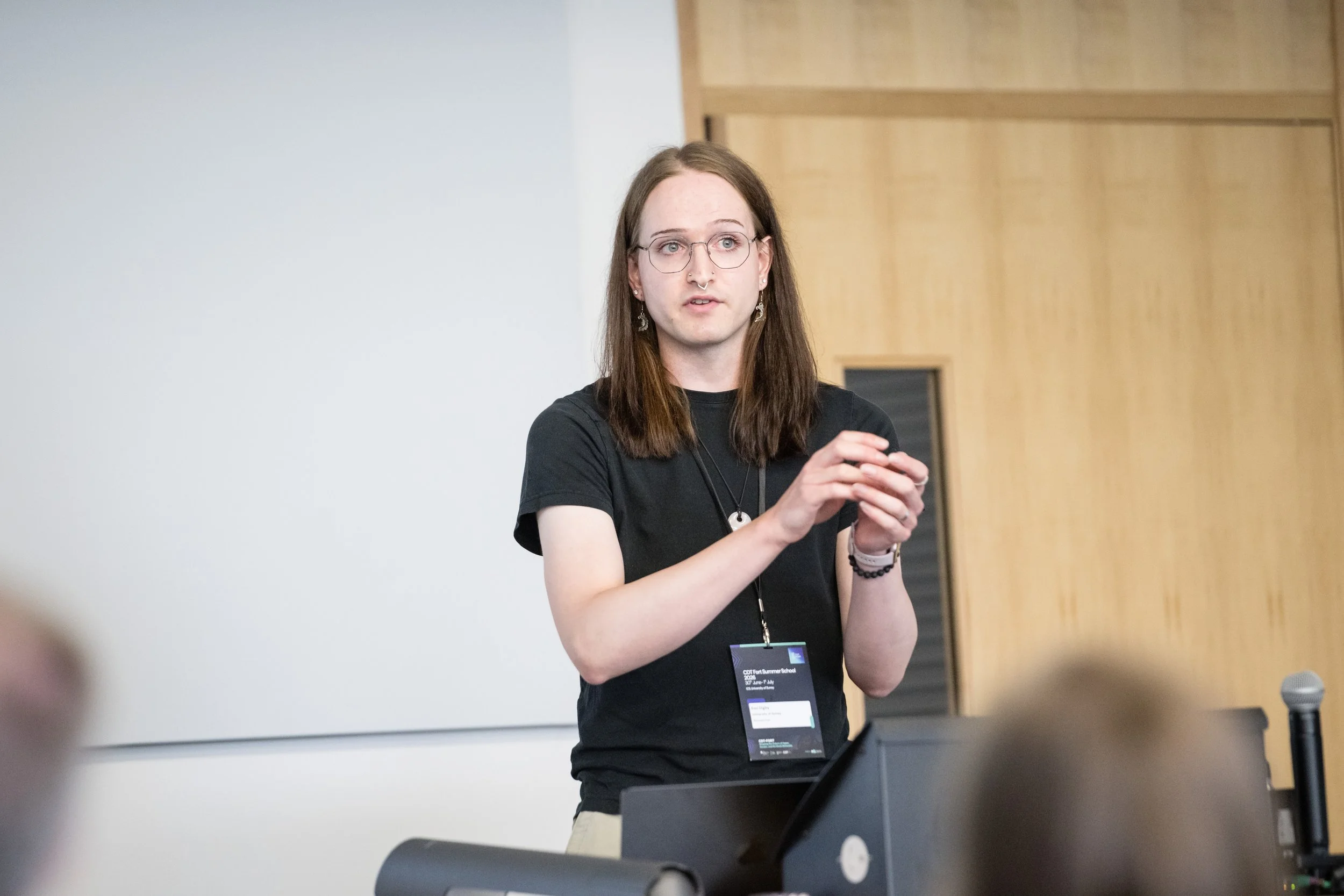
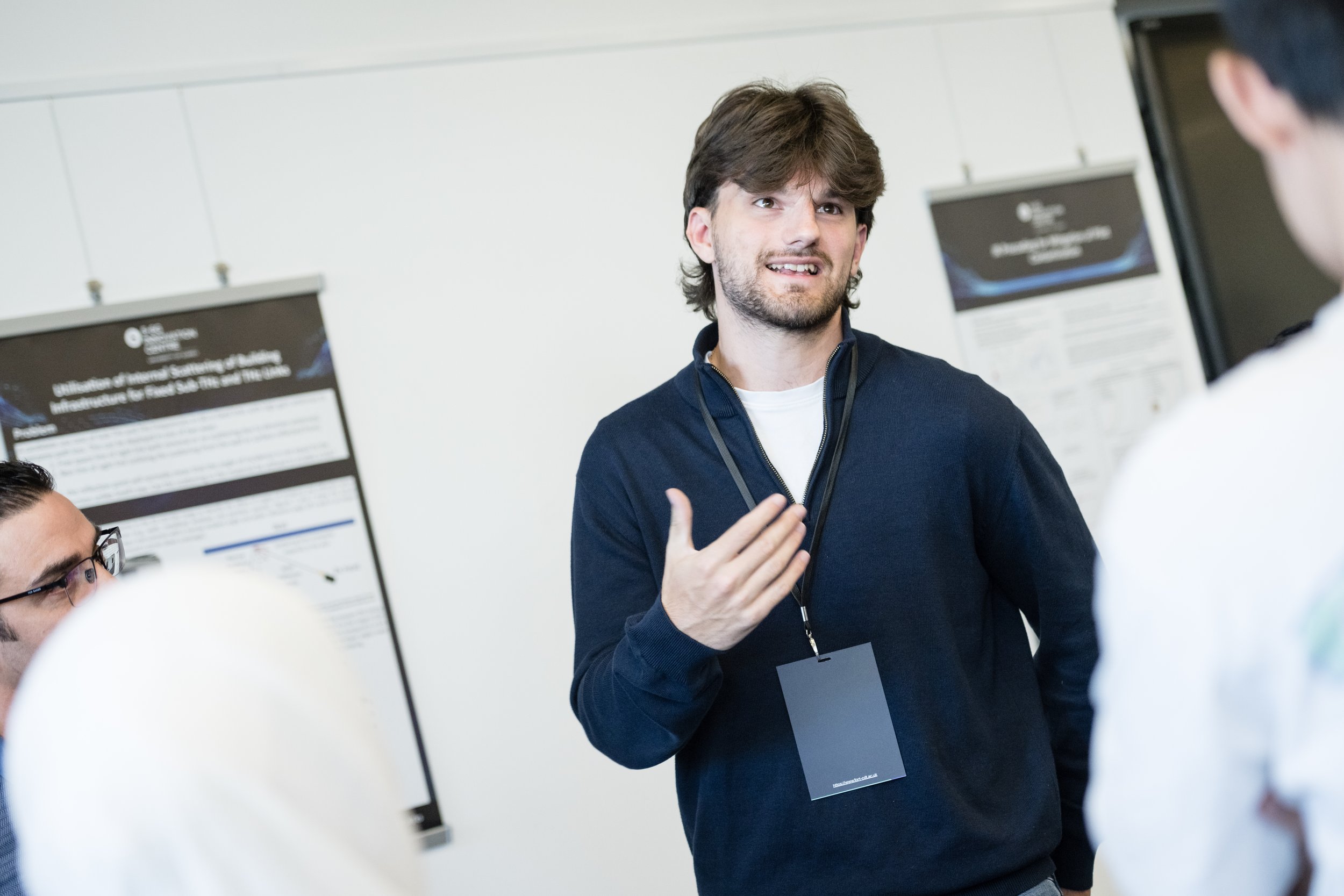
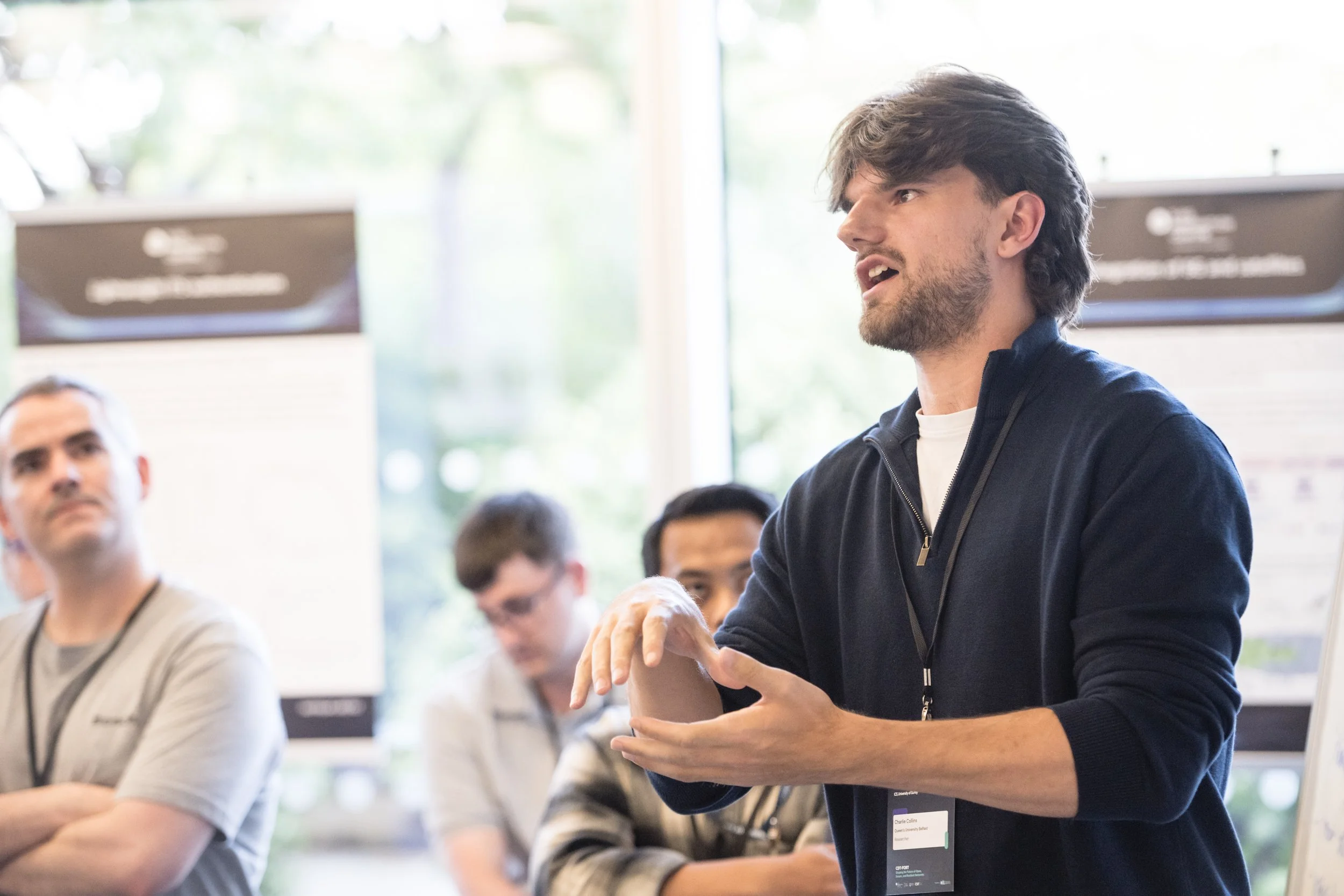
The Summer School opened with a research showcase from Cohort 1 researchers, highlighting the breadth of research being undertaken across the CDT and encouraging discussion and collaboration between students.
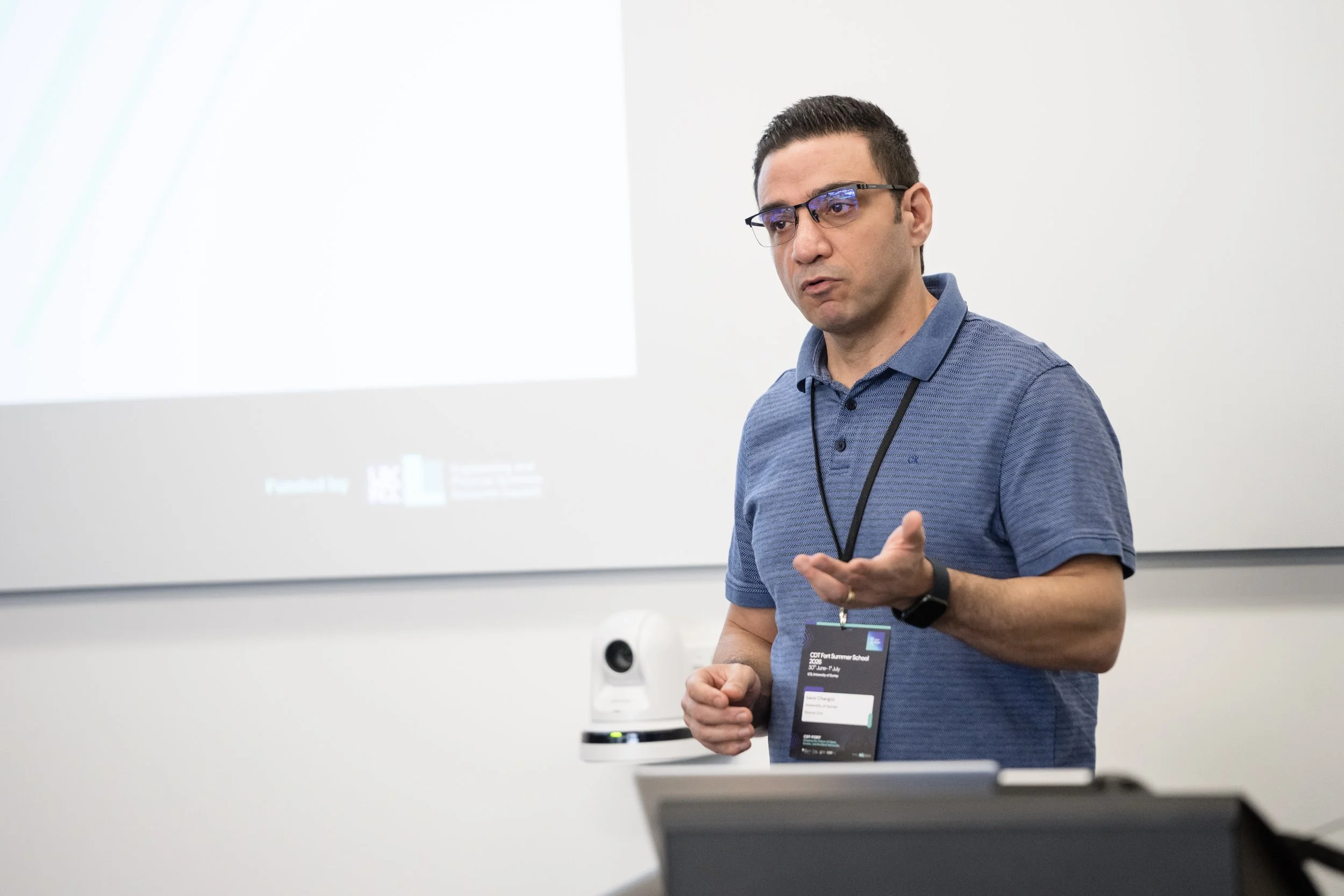
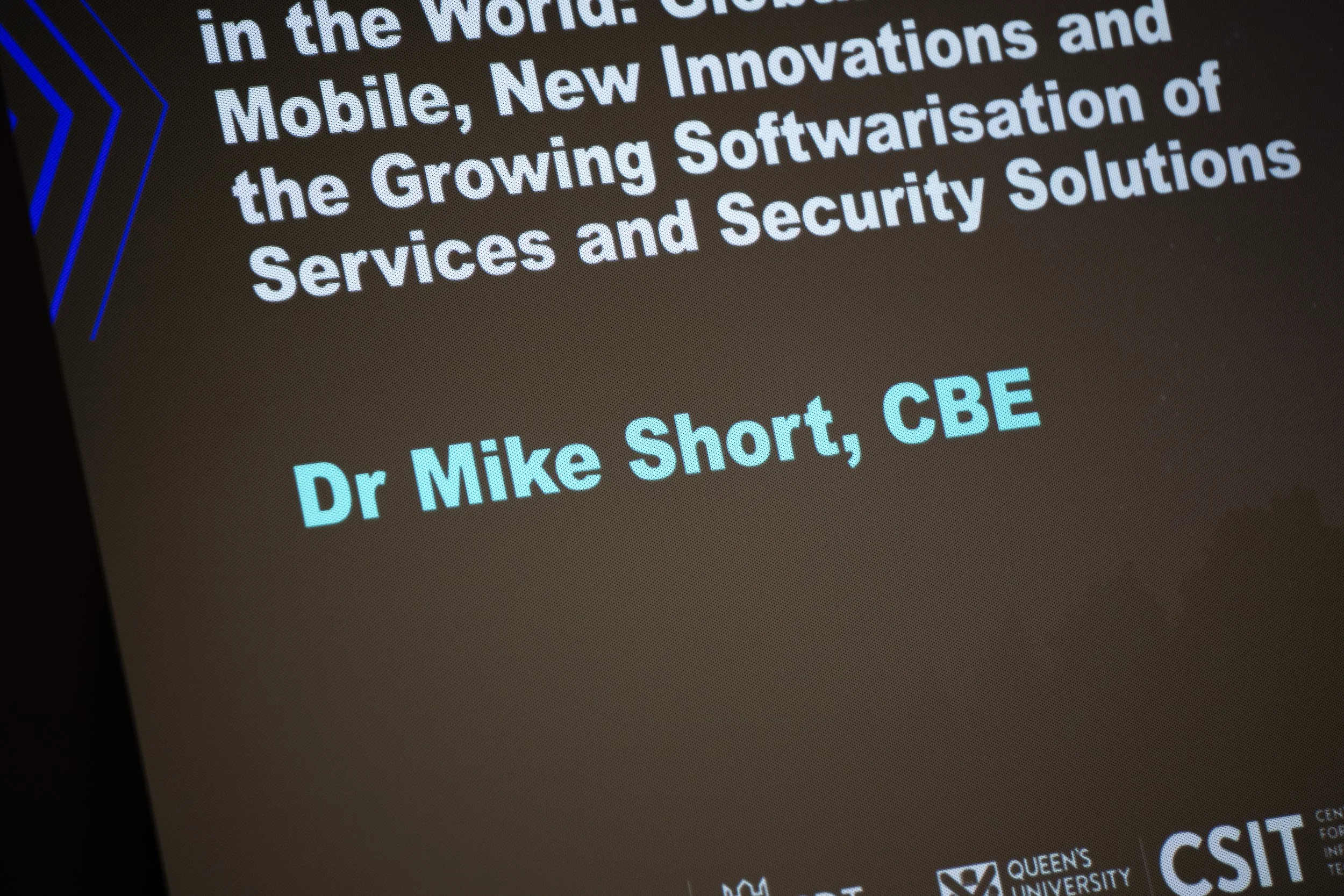
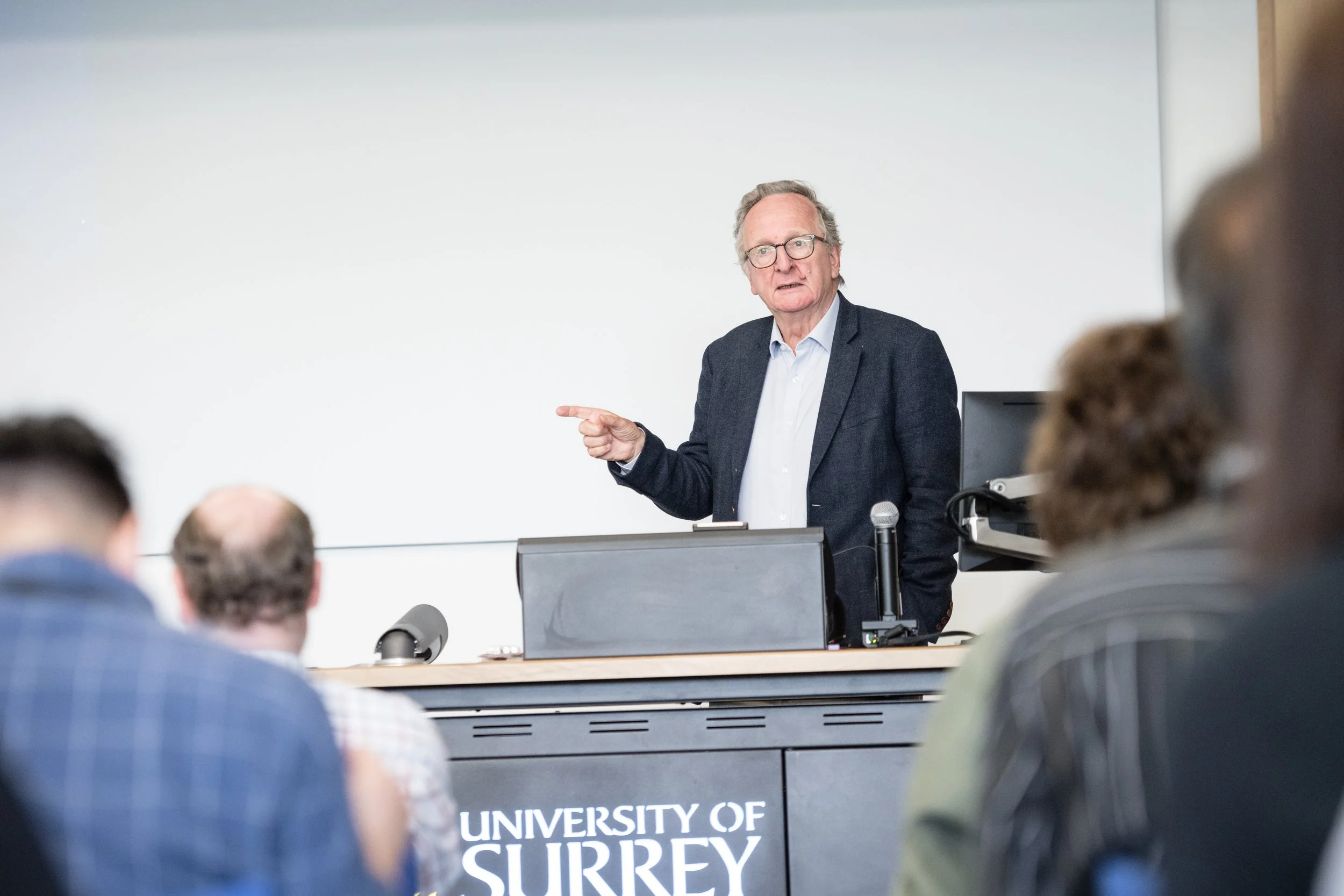
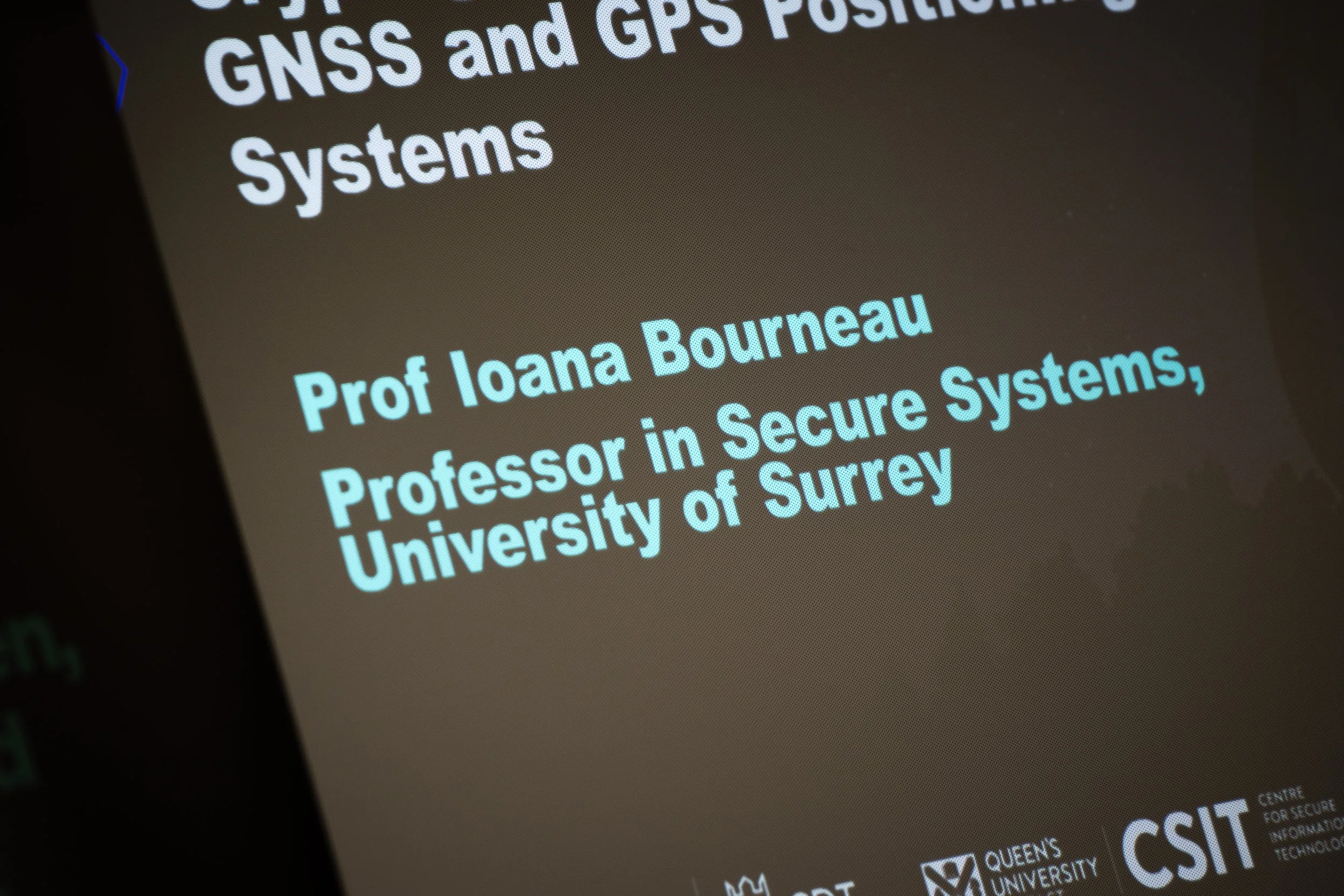
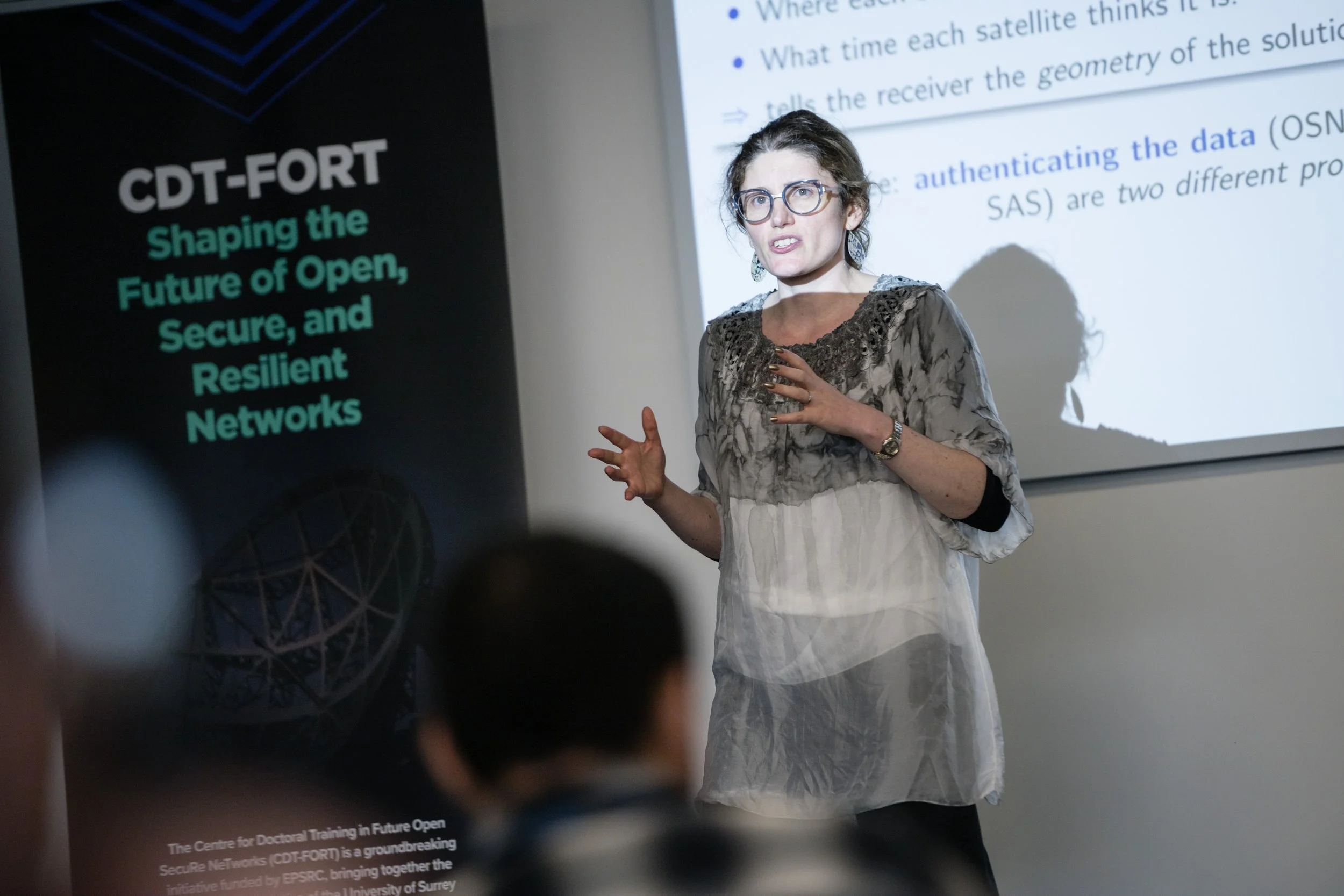
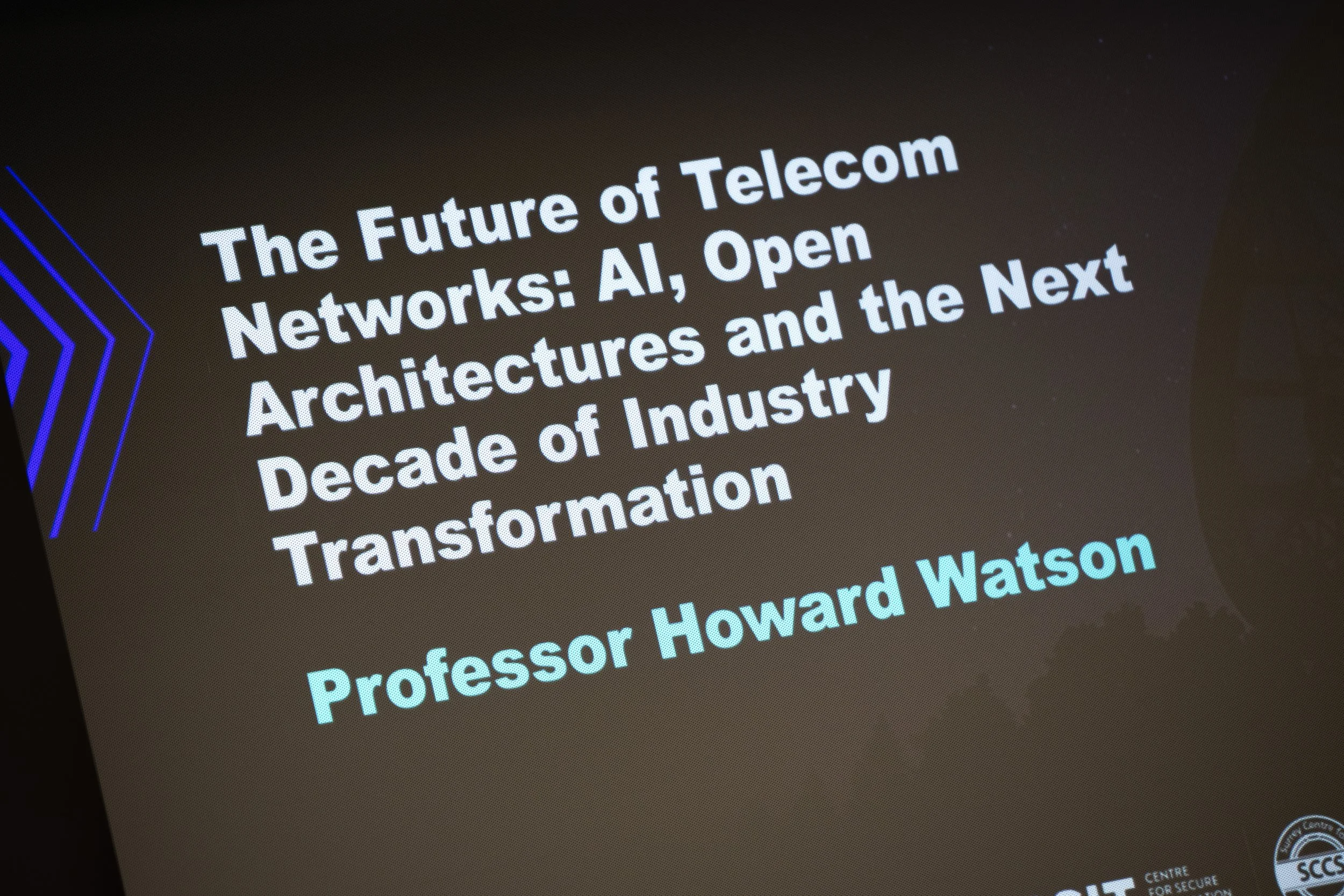
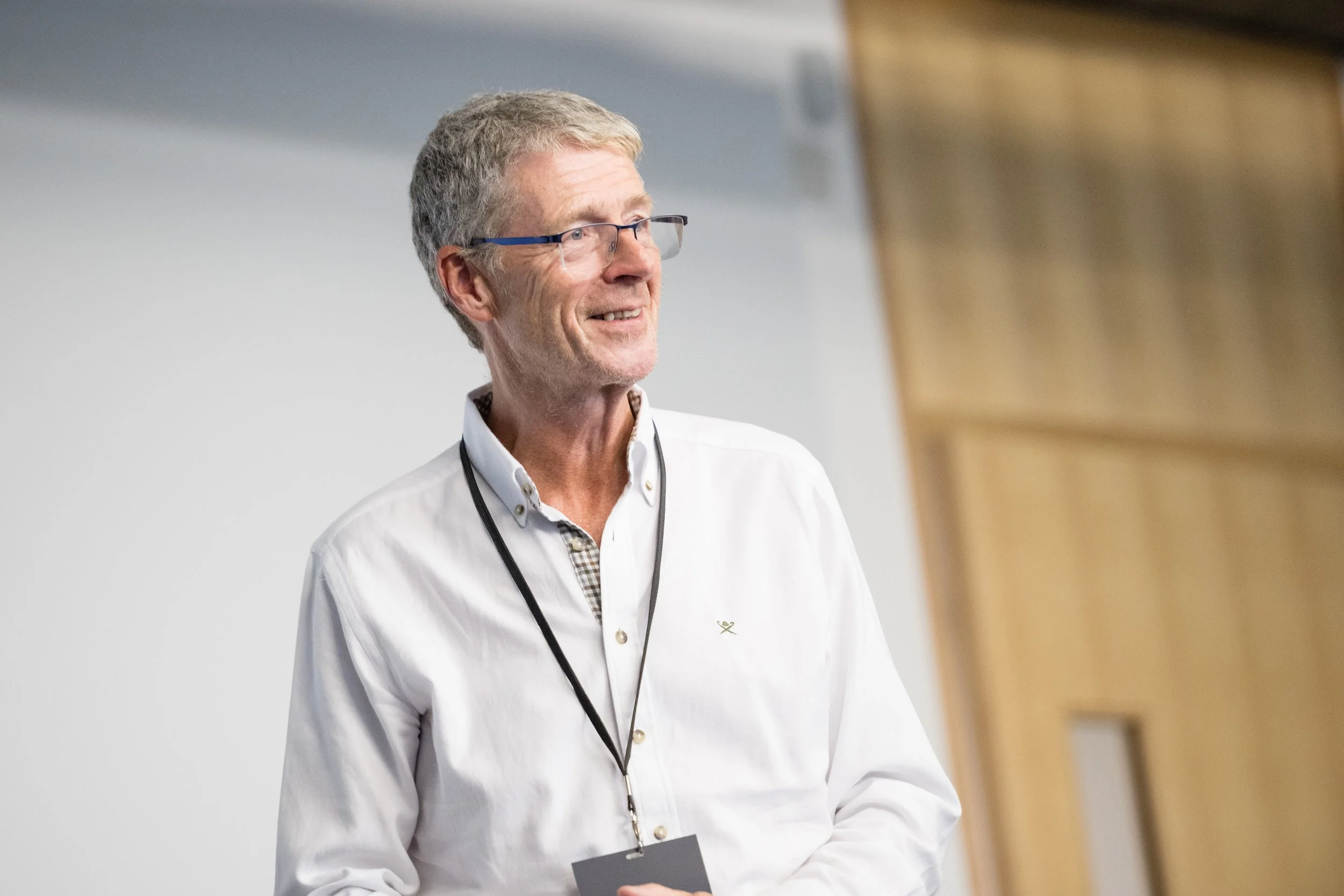
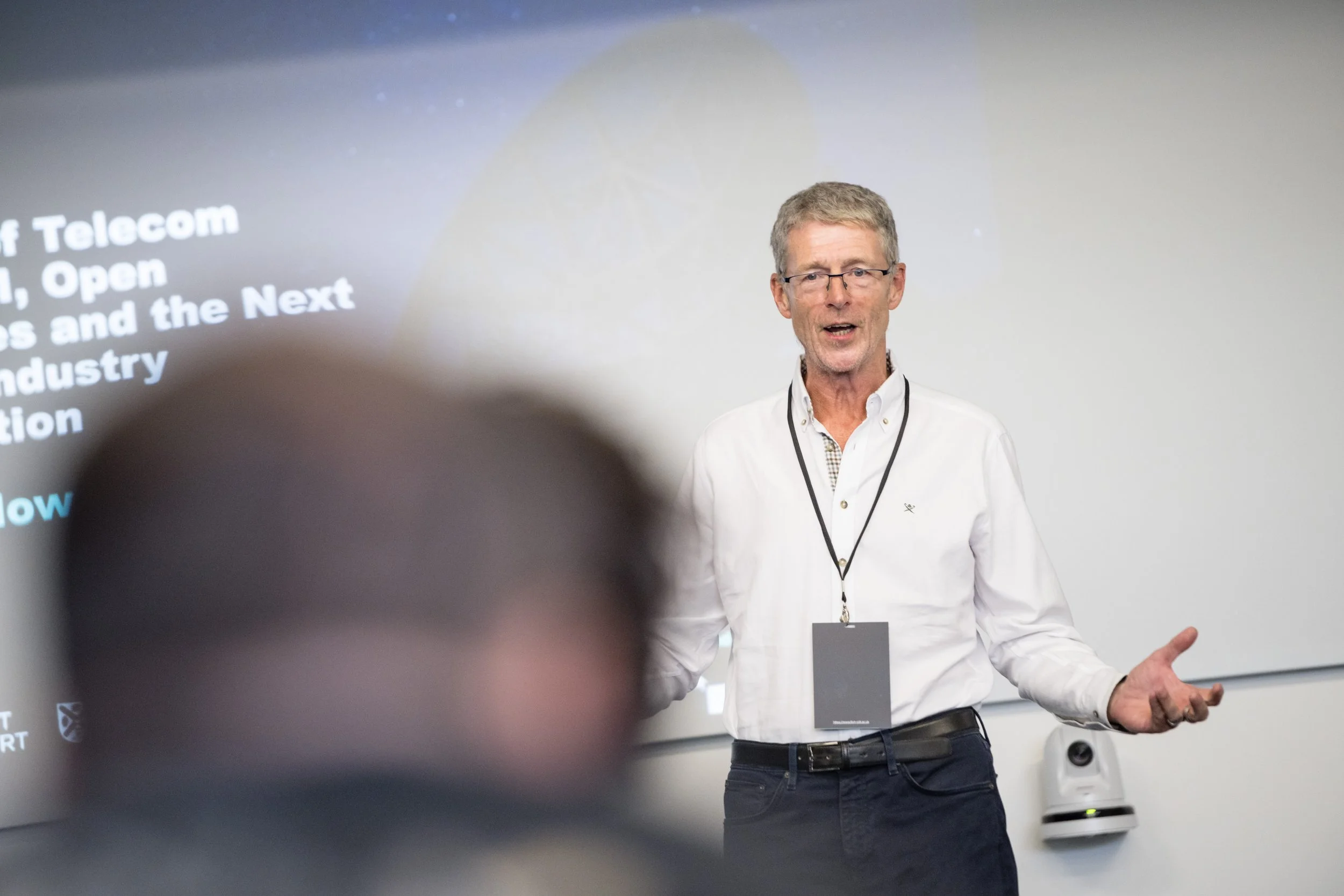
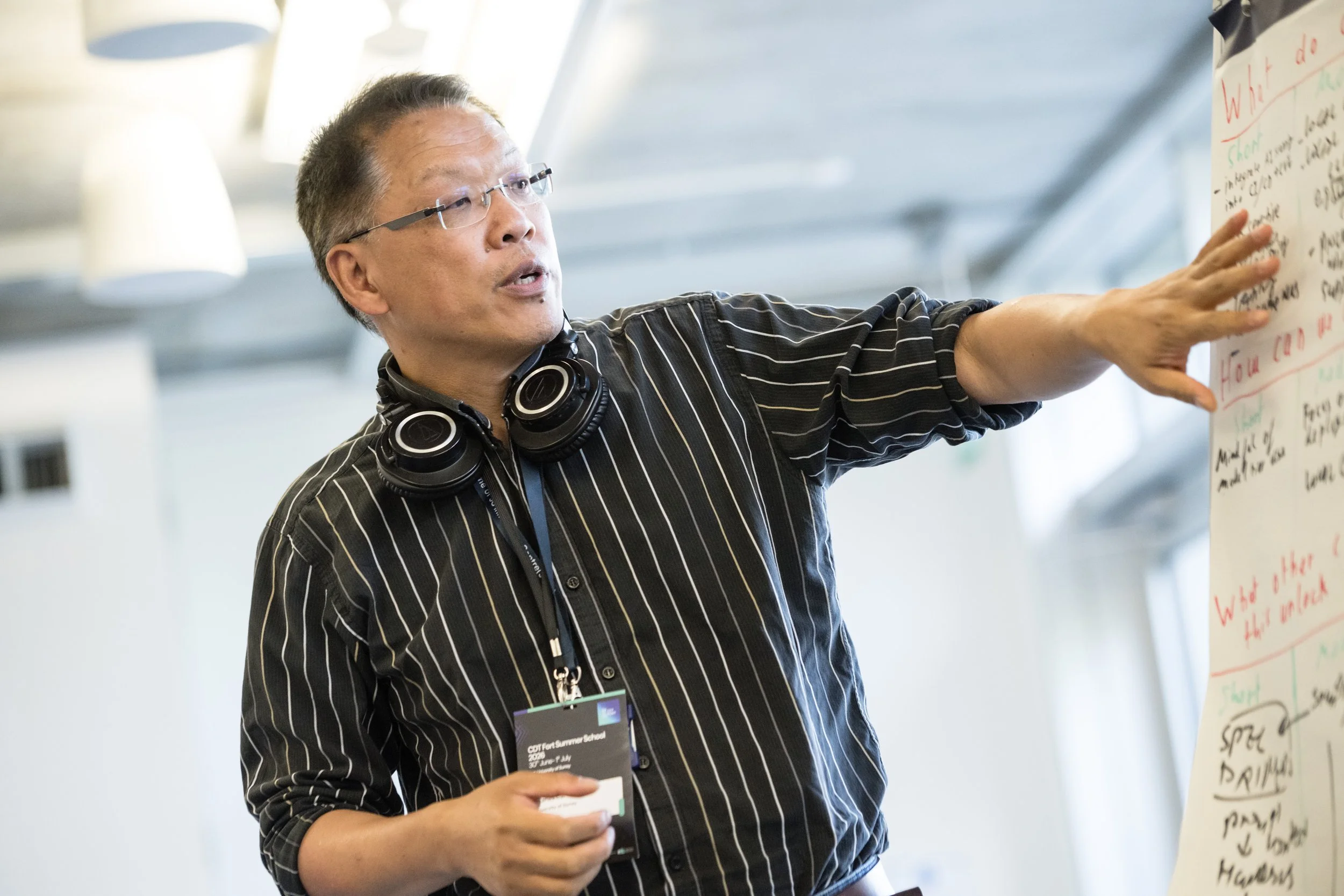
A series of technical and industry talks helped students understand how their research fits within the wider telecommunications, cyber security and future networks landscape. Dr Mike Short CBE explored trends shaping the global mobile industry and the continued evolution of communications technologies. Professor Ioana Boureanu provided an introduction to cryptographic techniques used to secure GNSS and GPS positioning systems, while Professor Howard Watson shared perspectives on the future of telecommunications networks, including the opportunities and challenges presented by AI and network automation.
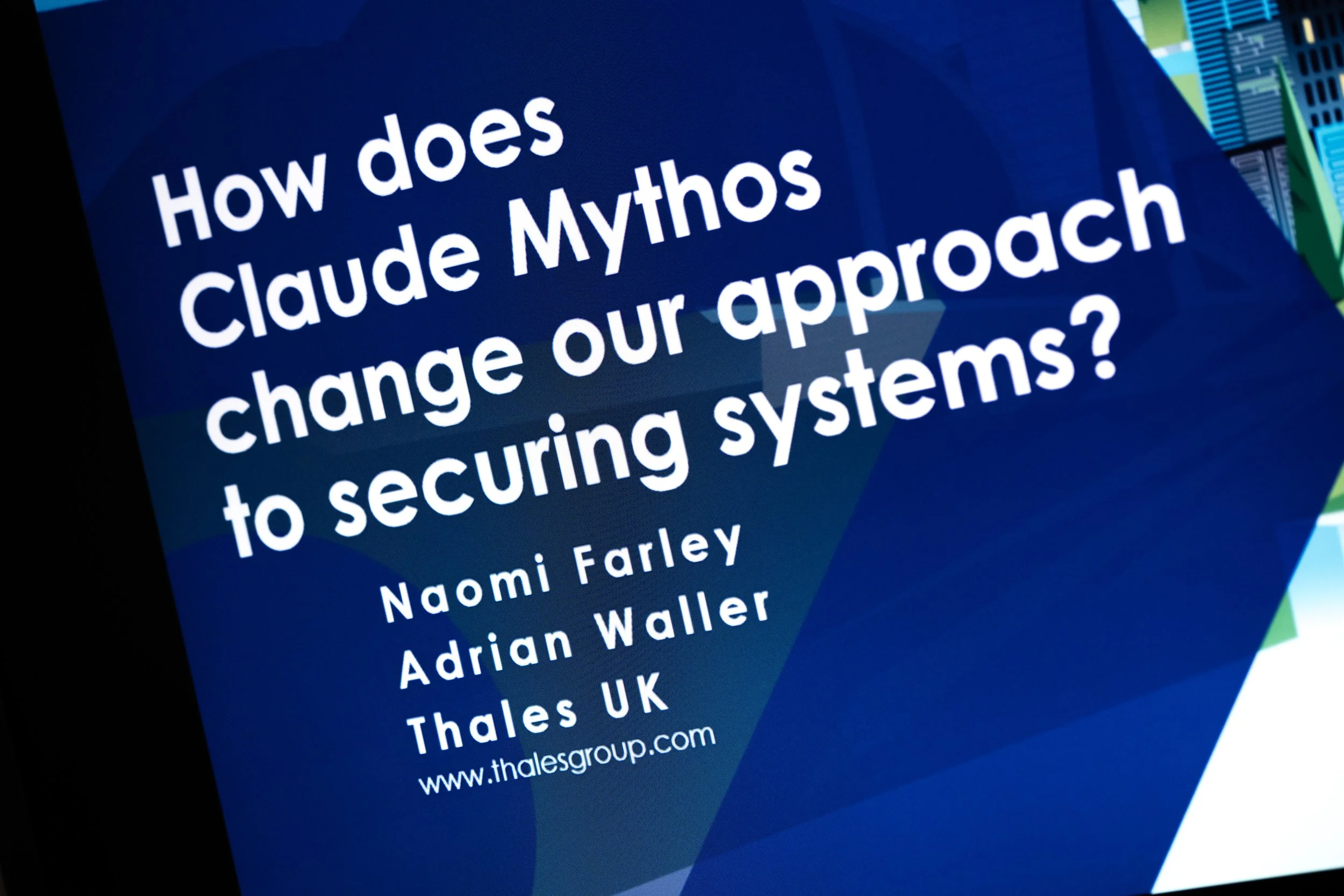
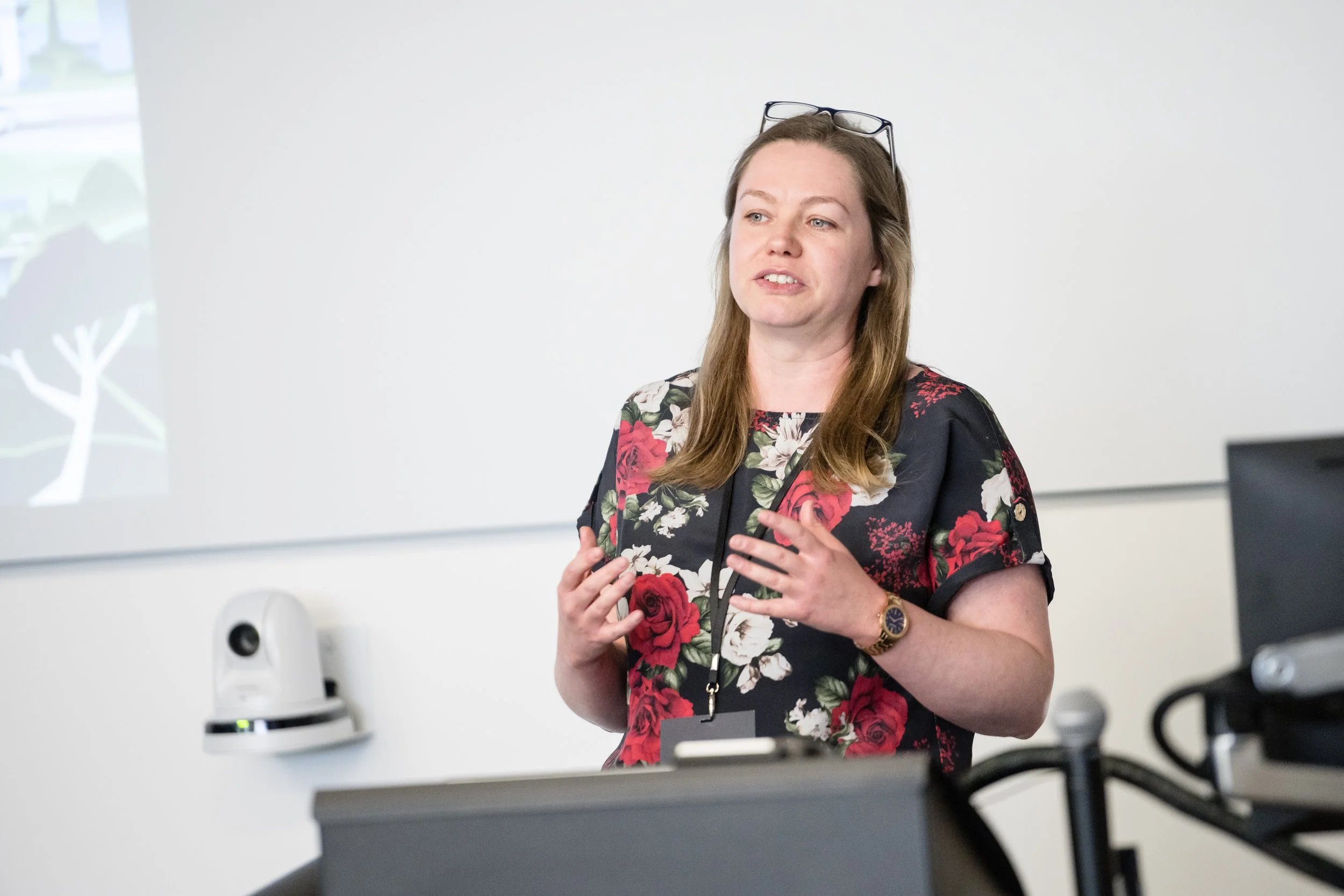
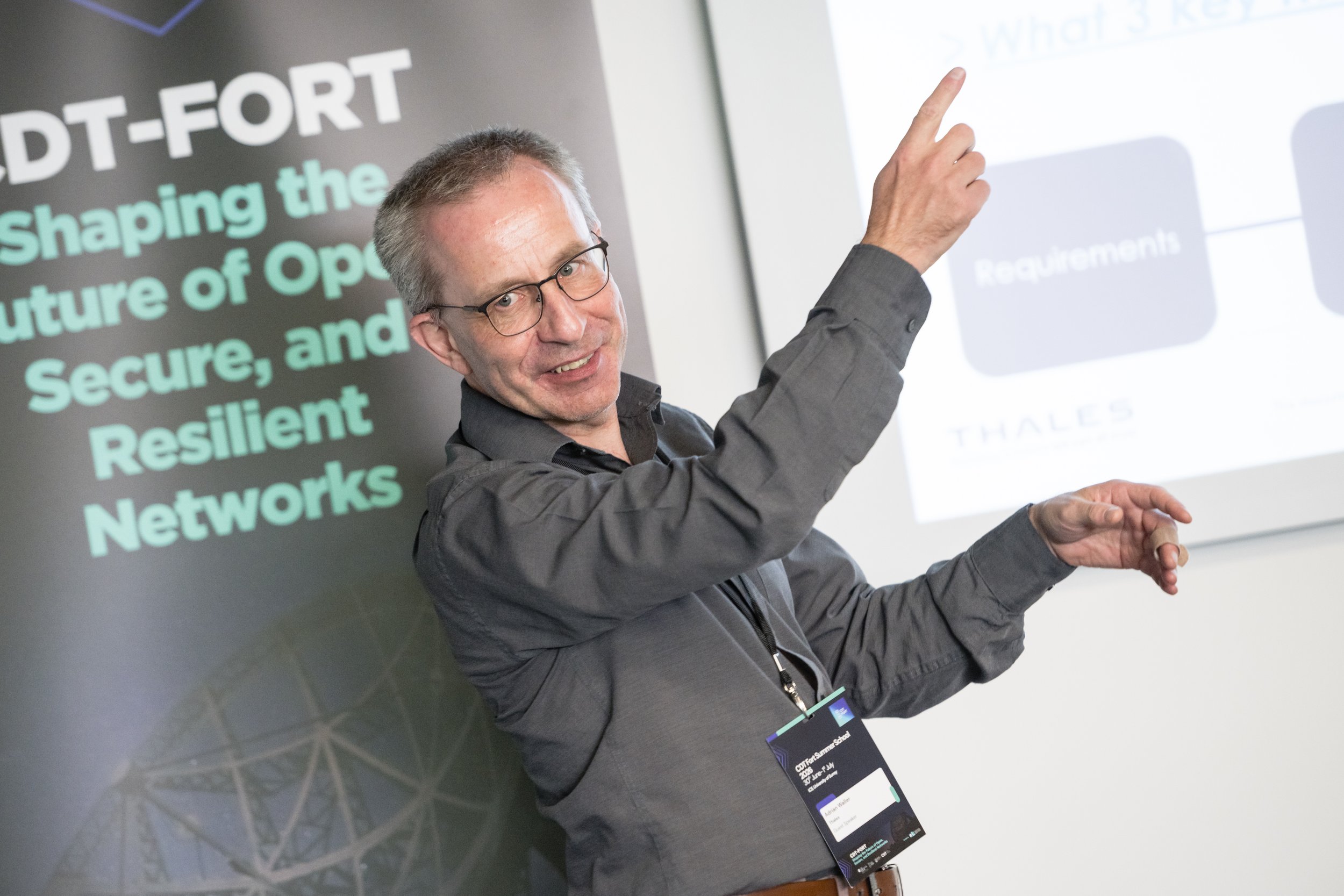
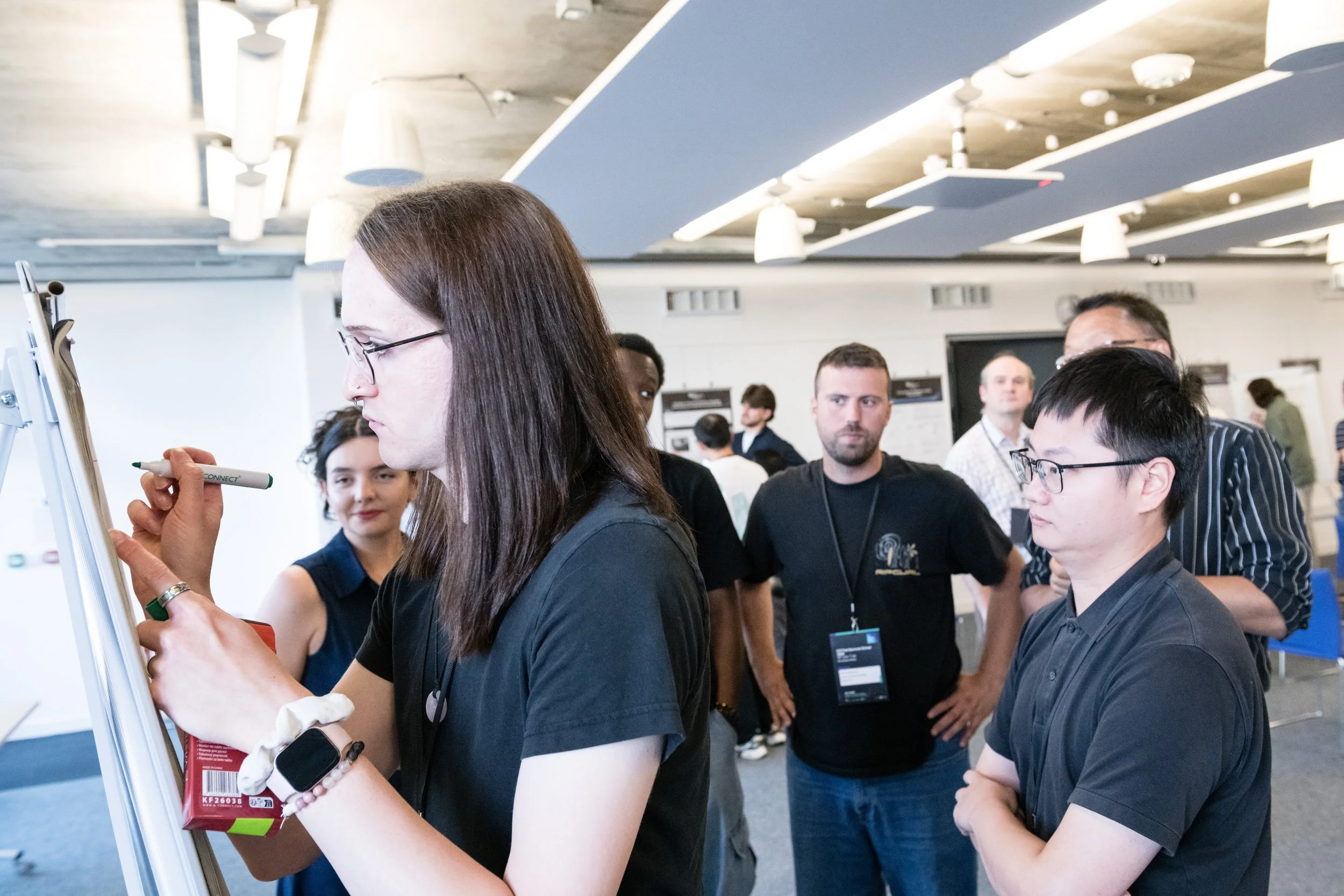
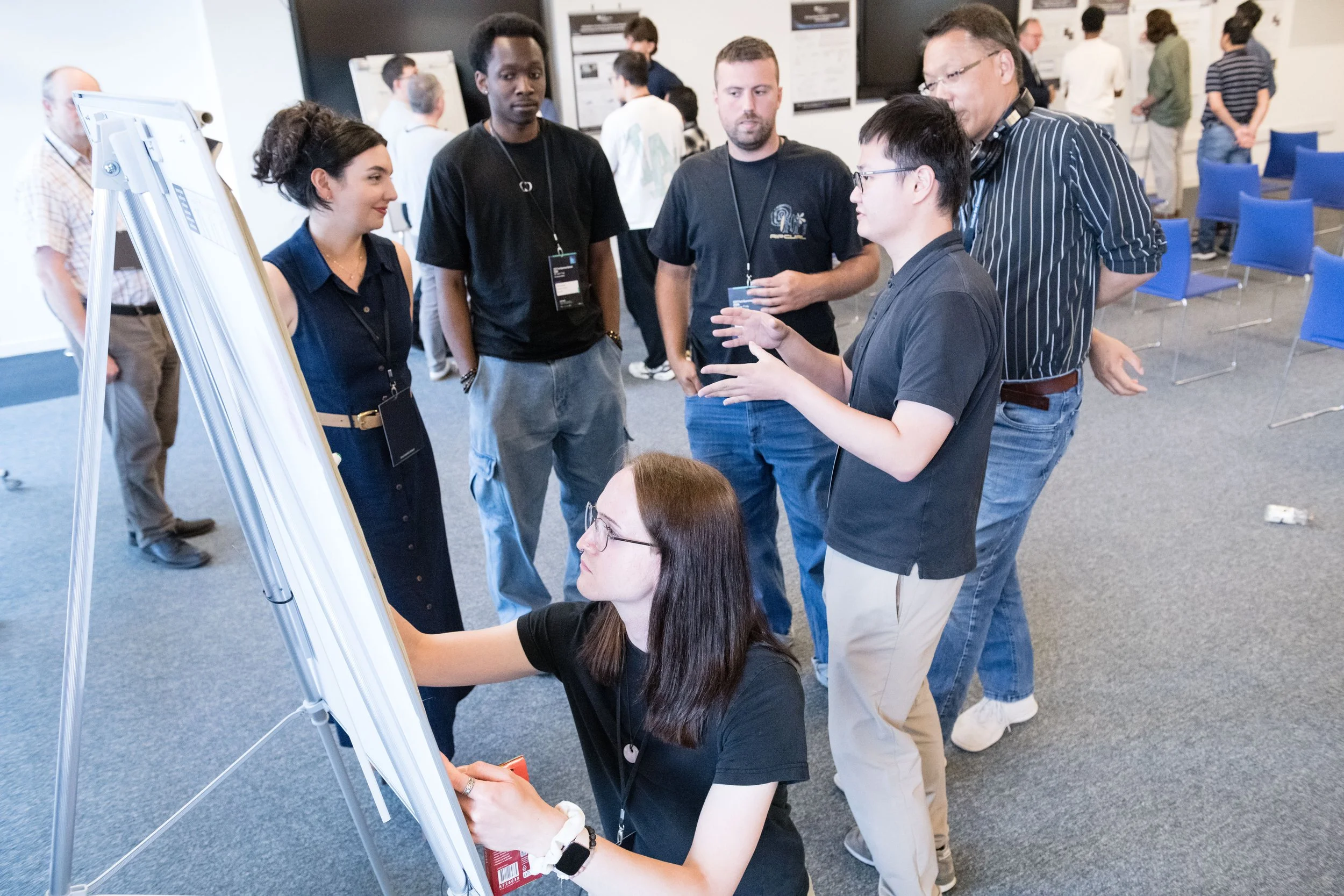
Industry engagement was a key theme throughout the event. Naomi Farley of Thales led an interactive workshop on secure systems development in the age of AI, encouraging students to consider emerging approaches to building trustworthy and resilient technologies.
Day 2 focused on the broader environment in which research and innovation take place. Dr Valerio Frascolla from Intel highlighted the growing influence of standards, regulation and policy on telecommunications research and technology development, while Dr Poonam Yadav from the University of York discussed resilience, sustainability and security challenges facing future telecommunications networks.
A particular highlight was the cohort-led outreach activity delivered through the Surrey Scholars programme. CDT FORT researchers designed and facilitated workshops for school students, helping to inspire the next generation of STEM talent while developing their own communication and public engagement skills.
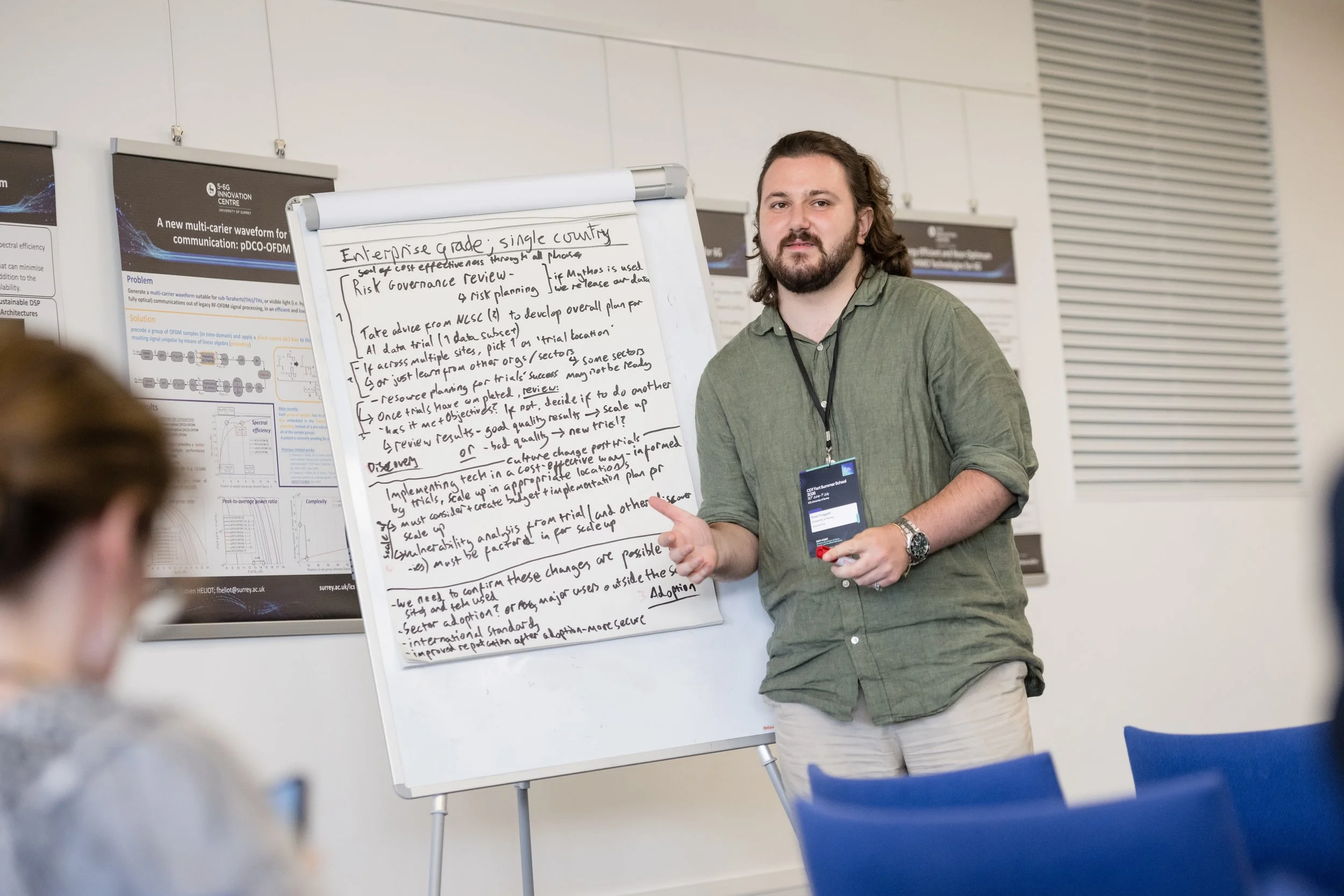
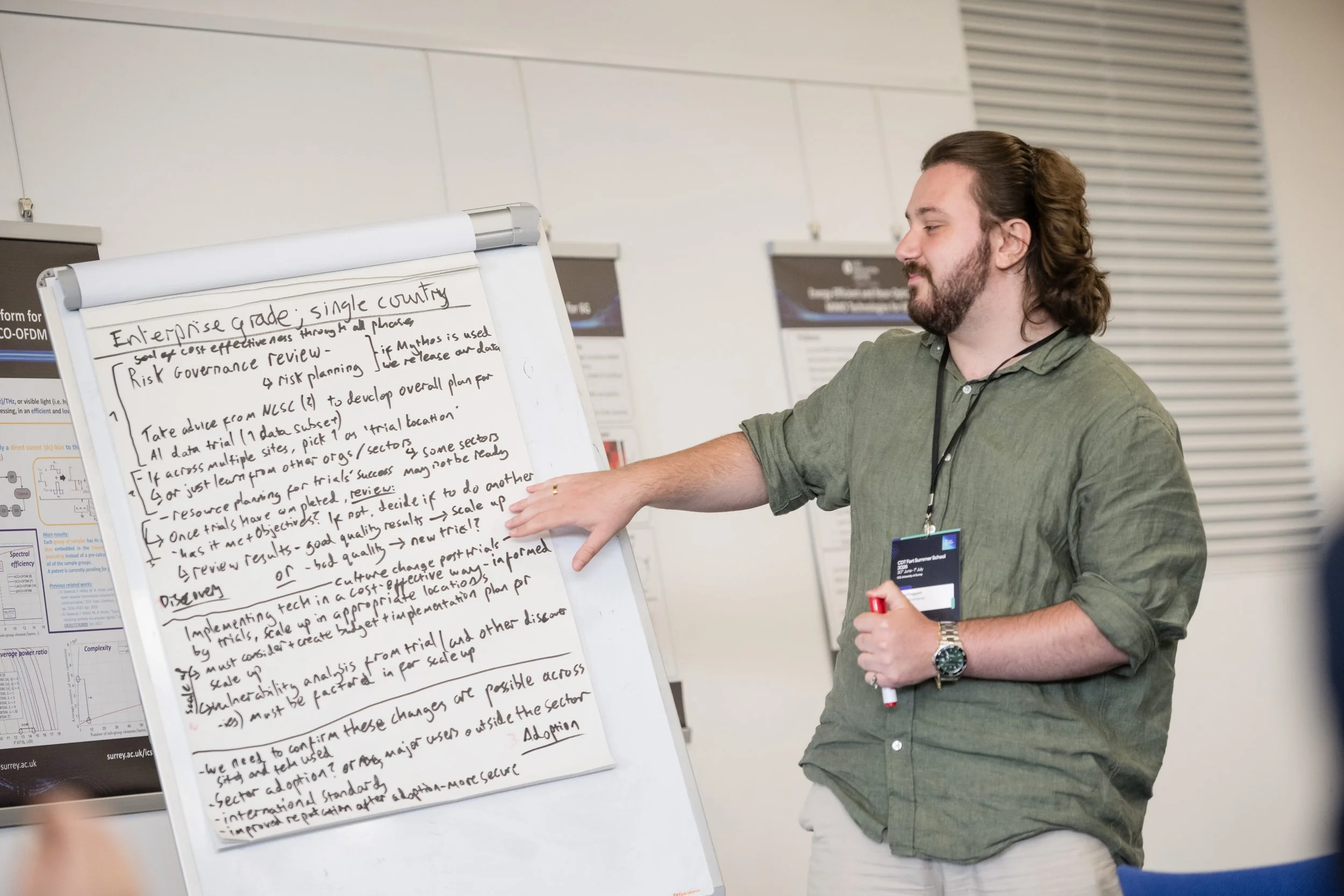
The final day focused on innovation, impact and responsible research. Louise Nelson, Head of Innovation at CSIT, challenged students to think beyond traditional academic outputs and consider how their research can create real-world value through engagement, impact and translation pathways. The Summer School concluded with a Responsible Research and Innovation (RRI) workshop delivered by ORBIT, providing an opportunity to reflect on the societal, ethical and governance considerations that accompany research and innovation.
Overall, the inaugural CDT FORT Summer School combined technical excellence with broader professional development, helping researchers better understand both the wider context and potential impact of their work. Just as importantly, it strengthened the growing CDT community by bringing Cohorts 1 and 2 together for the first time and laying the foundations for future collaboration across the programme.